Here's 5 things you should know about at the end of this week:

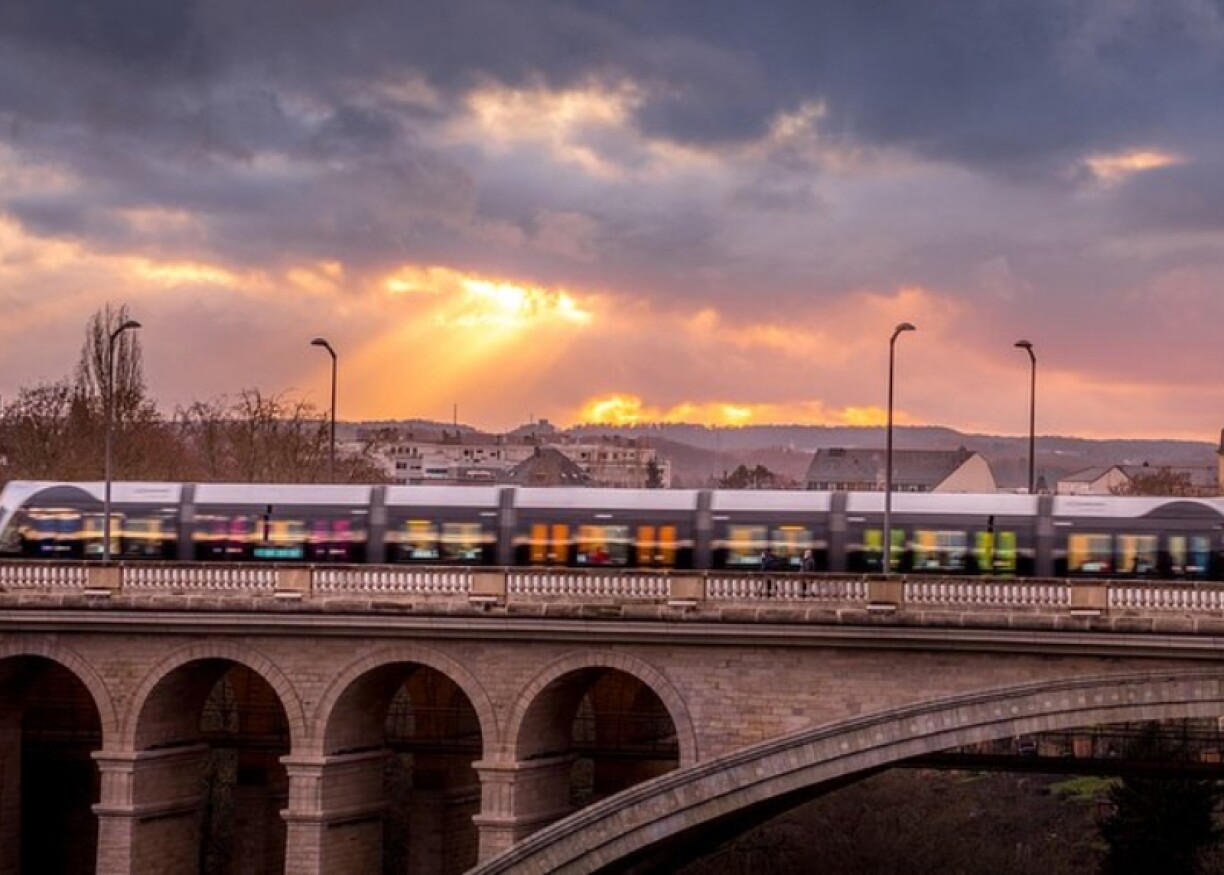
The concept was first presented in 2018 and then fully implemented on 1 March two years later, making the Grand Duchy the first country in the world to offer free public transport to everyone.
The number of train passengers in Luxembourg had steadily been increasing since 2005 to reach its peak in 2019 with 25 million people relying on public transport.
Introduction of the tram - In December 2018, an average of 22,065 people used the tram per week, this figure increased to a staggering 88,218 per week in December 2022.
Still a lot of work to be done - Minister Bausch believes that the introduction of free public transport was a positive development as it put the issue of mobility in the public's focus.
Alternatives to cars - The tram line is now entering its most important phase with the building of a new bridge over the A1 starting in May. It's part of the new mobility plan which is designed to help manage traffic in Luxembourg in light of an ever-growing population.
Key to success - "If we manage to implement the complete 'National Mobility Plan' [..] by 2035, then we have raised the bar to another level here in Luxembourg," says Bausch.
Read also: 2024 will be the year of the tram, announces François BauschNext to Luxembourg's free public transport, RTL Today Radio celebrated their first birthday! And it has also been three years since the first case of coronavirus was discovered in the Grand Duchy.
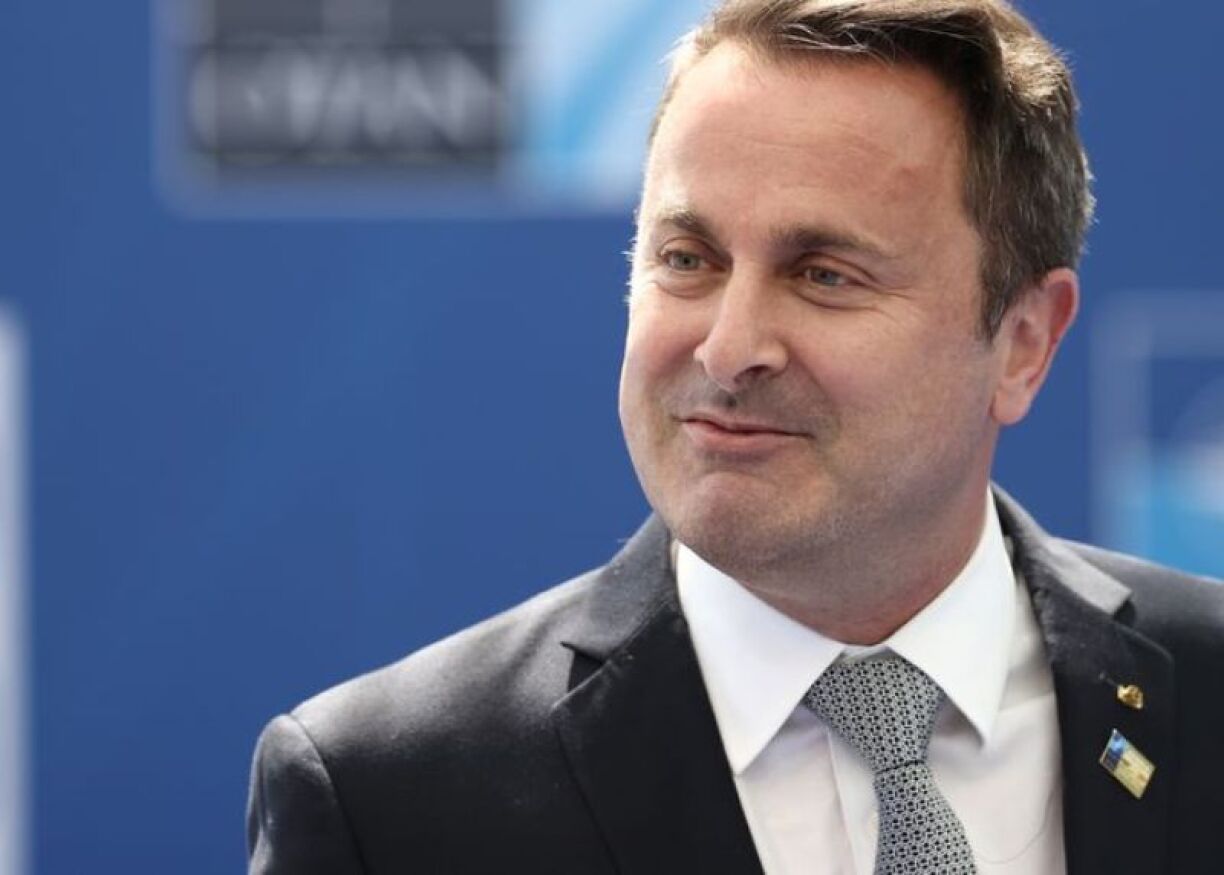
Prior to Friday's tripartite meetings, the government held preliminary meetings with social partners on Tuesday.
Prime Minister Xavier Bettel announced this new tripartite meeting as a result of the latest inflation figures published by STATEC, expected to reach 3.4% this year.
Frequently discussed - Last week, Finance Minister Yuriko Backes argued that adjusting the tax table to inflation would "not be responsible" at the moment. The country's three major unions (OGBL, LCGB, and CGFP) are convinced that this measure is necessary, which is why they have requested an additional meeting with Prime Minister Bettel.
Is the adjustment beneficial?- The Idea Foundation confirms that "the indexation of the tables would ensure the neutrality of the tax system with respect to inflation". However, the indexation of the table also has disadvantages: High and medium incomes benefit more substantially than lower ones, and it would cost the state, which receives more tax revenue with each indexation applied without adjusting the table.
'Tripartites are not responsible for taxes' - Prime Minister Xavier Bettel said Wednesday in the Council of Government that the coalition partners would define their common position. "And then you have to see if taxes will be discussed in a tripartite way." On the other hand, he said, they don't necessarily want to talk about taxes. And "tax policy is not the responsibility of a tripartite group. The tripartite is there to respond to a social or labor situation, or even an economic situation."
Read also Ian Pocervina's opinion: What is the bar for success at the upcoming tripartite meeting?
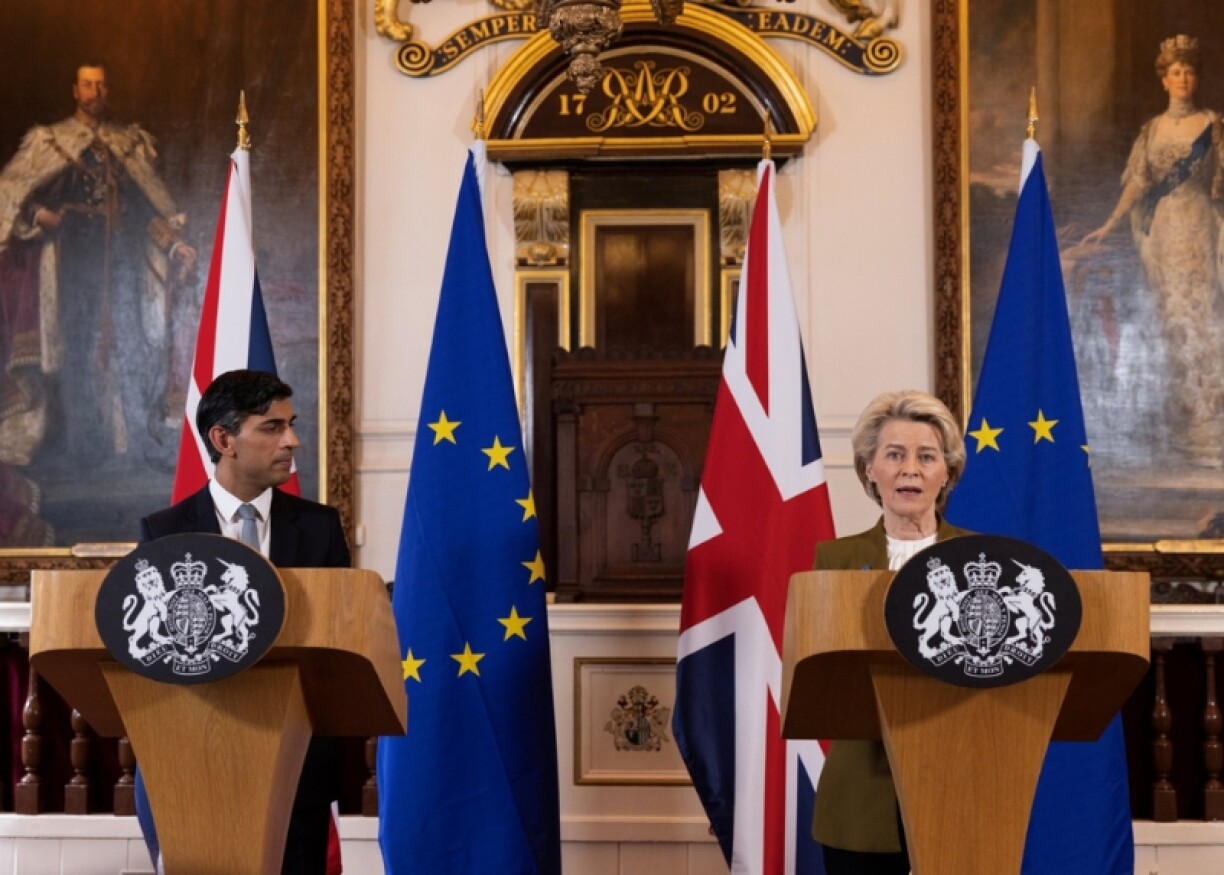
Britain and the European Union on Monday agreed a crucial overhaul of trade rules in Northern Ireland, a breakthrough aimed at resetting seriously strained relations since Brexit.
Their meeting followed more than a year of tense negotiations over the "Northern Ireland Protocol", which has unsettled the province 25 years on from a historic peace deal that ended three decades of armed conflict.
'Northern Ireland Protocol' - Agreed in 2020 as part of Britain's EU divorce, the pact kept the province in the European single market for physical goods and subject to different customs rules than the rest of the UK, angering pro-UK unionists there and eurosceptics in London.
Possible resistance - The overhaul is likely to face opposition from Brexiteers, including Sunak's potentially rebellious predecessor Boris Johnson, and from lawmakers representing the pro-British unionist community in Northern Ireland.
Fully available UK goods - The new "Windsor Framework" has been generally well received and creates a "green", largely check-free lane for goods coming from the rest of the UK that are intended to stay in Northern Ireland, without heading into Ireland and the EU's single market.
'Nobody else has that' - Sunak told an audience of invited guests that his deal would create "the world's most exciting economic zone" with access to both EU and UK markets.
Compromised position - These comments prompted Scotland's pro-independence leader Nicola Sturgeon to question why the rest of the UK could not benefit from such close ties with the EU's single market. "It underlines the unbelievably compromised position (Scotland) has been left in since being ripped out of EU against our will and denied chance to stay in single market," she tweeted.
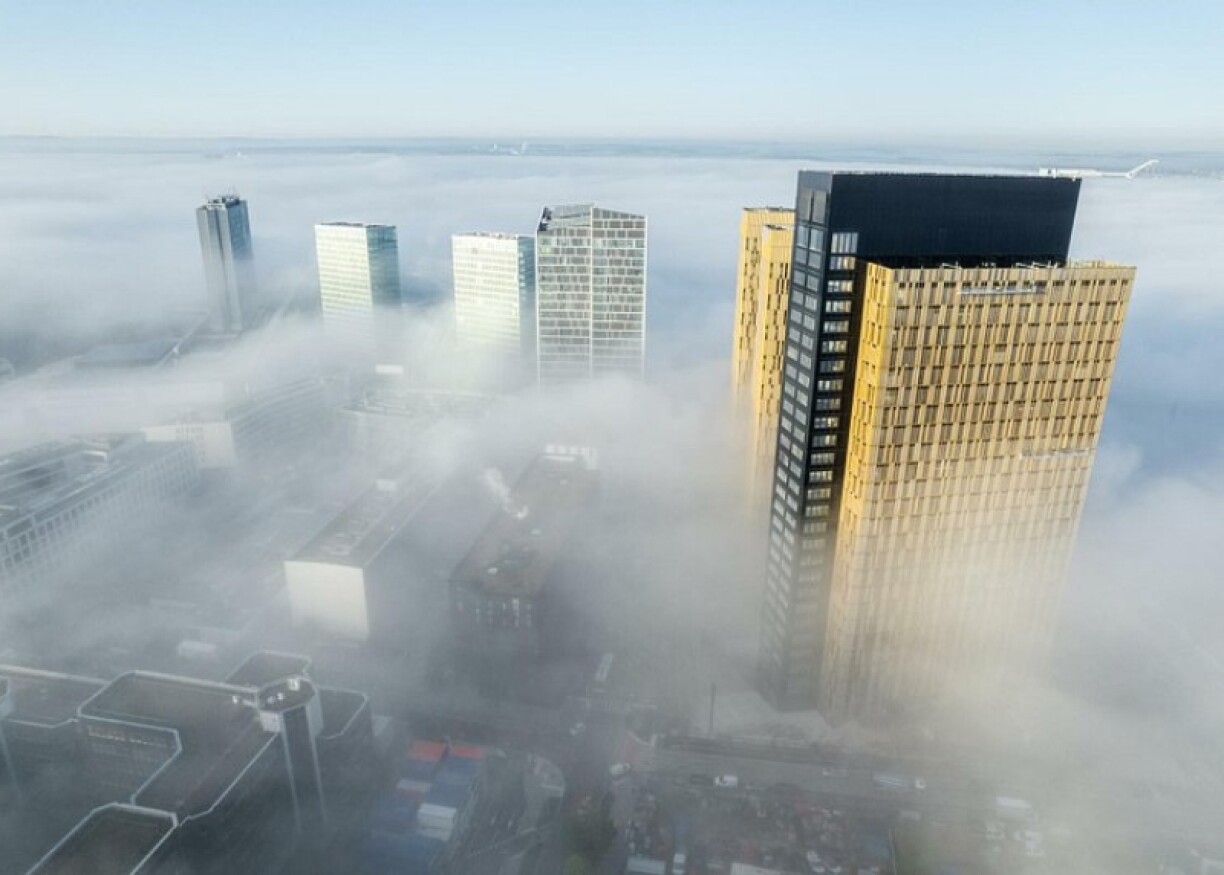
Although the country continues growing, it seems to be reaching its capacity limits.
Without political decisions, quality of life is threatened by this development, which is why the Idea Foundation has put forward a number of proposals for politicians to consider.
503,000 cross-border employees by 2050 - A scenario that follows up on the evolution of the last thirty years, forecasts 1.1 million inhabitants, 995,000 jobs, and 503,000 cross-border workers by 2050.
Three main hubs - Luxembourg City is expected to substantially grow in size and extend as far as Mersch. The southern hub will be more polycentric and will have to develop its cross-border potential. Nordstad will meanwhile become a veritable urban hub in the "full sense of the word" by integrating Colmar-Berg.
Cable cars and new train lines - There is need to invest to "invest in a lot of new infrastructure for Luxembourg by developing, for example, urban cable cars, trams on stilts, and adding railway lines so that we no longer have to go through Luxembourg's central station, which is going to reach saturation in our scenario."
Can growth be slowed down? - "We think it's risky or even unrealistic to say that we're going to slow down growth. It's risky because it cannot be controlled like that. The country is attractive. The result is that investors and people come to work here. To question this attractiveness seems a rather risky policy to us."
2023 elections - In the context of the super election year 2023, Idea's catalogue of proposals will be forwarded to the candidates and political parties with a clear message: "We cannot promise that the standard of living will remain as high as it is today without making additional efforts in the coming years."
Read also:How will Luxembourgers move around the country in 30 years?

A student seeking an internship in the social sector was quizzed on his origins, rather than his experience, during a job interview.
24-year-old Khalid Oke has since shared the experience of this encounter on social media, one of many examples that outline discrimination in present-day Luxembourg.
Having lived in Luxembourg all his life, he was also asked whether he is in the country legally and where he went to school.
Quizzed on his origins - Oke said he was fairly certain the interviewer did not realise how bad the experience was for him. He has since contacted the Centre for Equal Treatment (CET) to see how he himself can discuss the issues with the interviewer.
Two thirds of discriminatory incidents are not reported - The CET treated 245 cases in 2021, out of which 60 were about ethnic discrimination. Data from 2022 are still being evaluated, but it seems as though this type of discrimination has remained most prevalent. Depending on the severity of the case, the Centre encourages people to go to the police or even forward it to the prosecutor's office themselves.
Ethnic discrimination - Race theory, colonialism, and slavery have over time led to a stigmatisation of dark skintones that still persists to this day, even here in Luxembourg, says Antónia Ganeta, spokesperson for Finkapé, the Afrodescendant Network of Luxembourg.
Racism exists - A survey on discrimination singled out three groups that are particularly affected in the Grand Duchy: Portuguese people, Muslims, and those with a dark skin colour.

International Energy Agency - A jump in renewables and efficiency efforts helped blunt a feared runaway in carbon emissions growth from a surge in coal use last year due to the global energy crisis, the IEA said Thursday, even if CO2 emissions hit a new record.
Sea ice in Antarctic at record low - Antarctic sea ice likely shrunk to a record low last week, US researchers said Monday, its lowest extent in the 45 years of satellite record-keeping.
Popular politician - Luxembourg's Foreign Minister Jean Asselborn remains in hospital, days after he was hospitalised due to an influenza type A virus infection. The 73-year-old politician is being treated at the Centre Hospitalier de Luxembourg. His fever has stabilized and is tending to drop in a positive sign of recovery, his ministry said on Thursday.
NATO bids - Jens Stoltenberg, has said that Ukraine is to become a NATO member in the 'long-term', while Finland's parliament on Wednesday voted overwhelmingly in favour of joining NATO, ahead of ratifications from Hungary and Turkey, increasing the likelihood it will enter the alliance before Nordic neighbour Sweden.
Schieren and Tunnel Markusberg flashed the most - More than 310,000 motorists were flashed by a speed camera in 2022. 21% of people who received a €49 fine as a consequence have not yet paid, however. When it comes to €145 fines, 29% remain unpaid.
Origins of the pandemic assessed - FBI Director Christopher Wray said Tuesday his agency believes the Covid-19 pandemic was "most likely" caused by an incident in a laboratory in Wuhan, China.

Your Weekly Recap is published every Friday at noon. Read earlier versions.
If you have any comments, questions, concerns on improving the Weekly Recap - contact me at alannah_meyrath@rtltoday.lu





