
Here's 5 things you should know about at the end of this week:

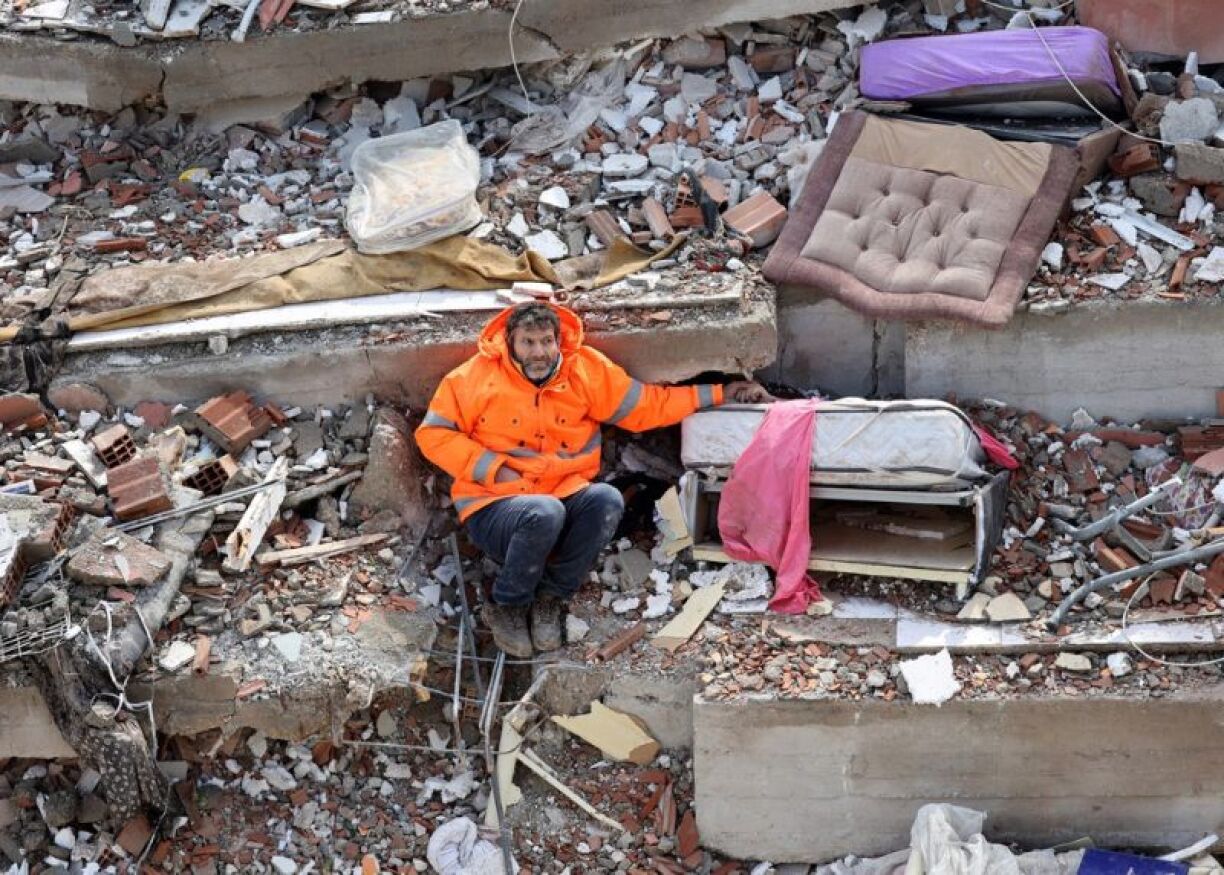
On early Monday morning a 7.8 magnitude earthquake hit south-eastern Turkey, killing more than 21,000 people and injuring thousands more in Turkey and Syria.
A second earthquake hit with an epicentre near Kahramanmara, north of Gazantiep.
Tweeting - The European commission has reported that they are currently considering all feasible options to deploy additional resources to assist with the aftermath of the earthquake in Turkey and Syria.
Top Ten - With the death toll rising by the hour, the massive earthquake that struck Turkey and Syria on February 5 is already among the ten deadliest of the 21st century.
President blamed - Turkey's opposition leader has accused President Recep Tayyip Erdogan of failure following the massive earthquake. "If anyone is mainly responsible for this course of events, it is Erdogan," Kemal Kilicdaroglu, leader of the main opposition CHP party, said in a video he shared on Twitter on Wednesday morning.
Thousands of lives - Turkish President Recep Tayyip Erdogan on Wednesday acknowledged "shortcomings" in his government's response. Erdogan now faces voter fury in the quake zone.
How to help from Luxembourg? - A number of charitable associations have launched actions to support those affected by the earthquakes.
Read also: Why was the Turkey-Syria earthquake so deadly?
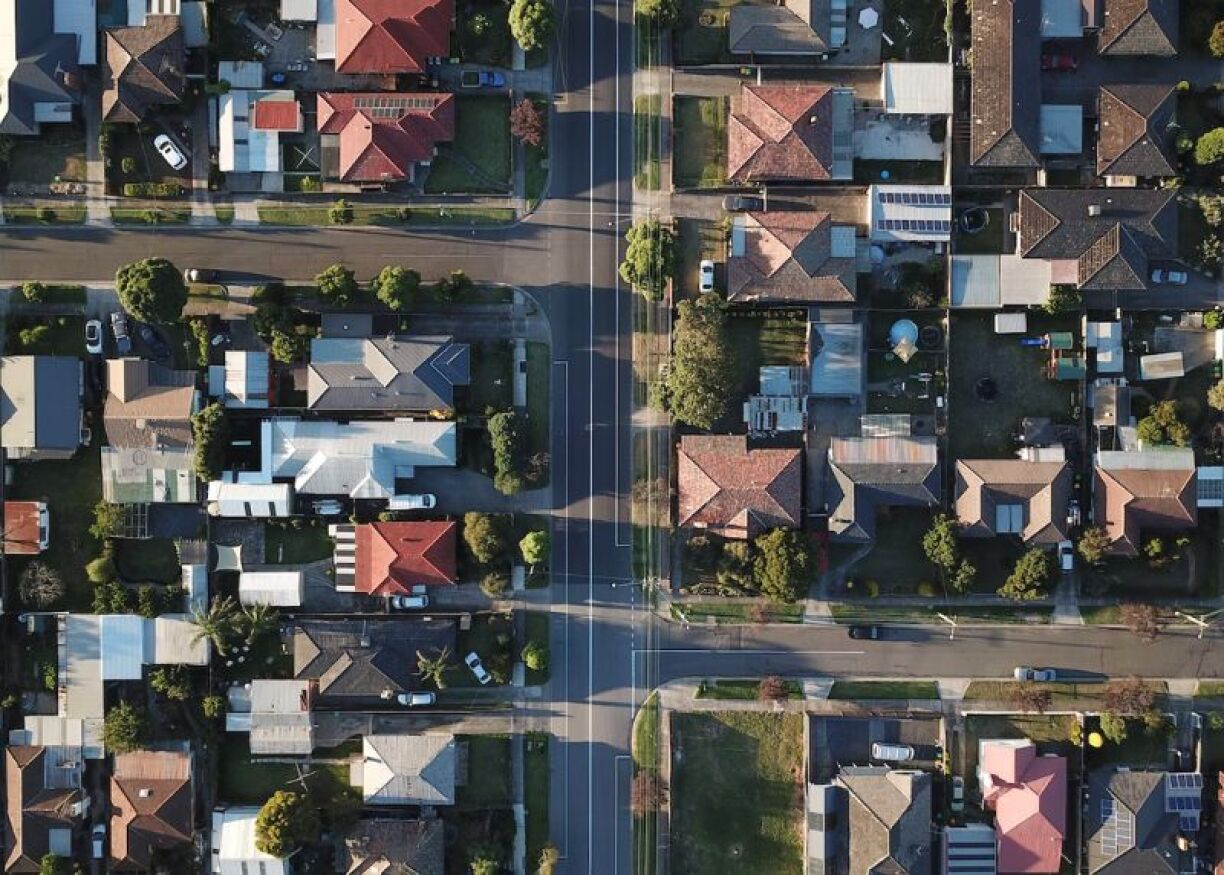
In its latest publication, the Idea Foundation argues that both private and public developers need to cooperate to expand the offer of accommodations for rent in Luxembourg.
It may not be a miracle solution, but it could lead to long-term changes, argued Michel-Edouard Ruben, author of the publication.
Tax incentives should be reintroduced to boost investments in rental properties and government aids should be bound to clear conditions, including temporarily limited caps on rent.
Possible solution - As this would allow lower-income households to have access to a wider supply on the rental market, it would avoid the risk of a housing shortage. With the rise in buildings costs, many projects have been put on hold.
Increased demand - Since Luxembourg builds less, the pressure on the rental market will increase. With fewer people able to buy a property, demand for rental units has subsequently increased.
Steep rise in rental costs - Due to increases in mortgage interest rates by banks, rents have been increasing as well and finding a new home in Luxembourg is becoming increasingly difficult.
Not attractive to investors anymore - On the other hand, Ruben believes that a fall in property prices is undesirable since "it would take us from a housing crisis to a real estate crisis.
Read also: Rate of housing cost overburden higher in EU cities.

In response to STATEC, the government has announced a new tripartite meeting in the upcoming weeks.
The inflation rate is expected to reach 3.4% in 2023 and 4.8% in 2024.
Fourth quarter - STATEC's calculations indicate that the new wage indexation will be triggered in the fourth quarter of 2023. Bettel confirmed that he is not considering canceling this indexation.
Unpopular decision - The deferral of the wage indexation prompted strong opposition and nearly 2,500 demonstrators took to the streets of the capital to protest the measure.
What now? - The government also said that scrapping the current tripartite measures "would risk causing an inflationary shock at the beginning of 2024."
Favourable evolution - According to the government, the favourable evolution of inflation in 2023 "highlights the impact of these measures on the inflation rate," particularly compared to the other members of the euro zone. Despite the repeated crises, Luxembourg's inflation rate is lower than that of many European countries.
Read also: Chamber of Commerce demands a maximum of one index tranche a year
On Thursday, STATEC confirmed in yet another report, that the last tripartite between the Luxembourg government and the social partners in maintaining citizens' purchasing power succeeded.
In spite of successive crises, including the coronavirus pandemic and spiralling energy costs, the average Luxembourg household should see their purchasing power increase in 2023, compared to 2019.
The increase, which is happening regardless of the heating source, is made possible due to the tripartite measures.
Reducing gas and oil costs - The tripartite measures, which targeted energy prices in particular, are therefore more likely to benefit lower-income households, for whom energy costs make up a higher percentage of their budget.
A difference - Households using gas to heat their homes will see a distinct advantage here due to the cap on gas prices. Heating oil is subsidised in comparison.
Not just citizens - STATEC confirms that employers are benefiting as well, with them reporting an estimated two billion reduction in their wage costs, which in turn benefits the Grand Duchy's economy.
Read also: Social partners share thoughts on additional wage indexations

The meeting on Wednesday happened just weeks before the first anniversary of Russia's invasion, with the UK government vowing more support to Ukraine.
"The United Kingdom was one of the first to come to Ukraine's aid," Zelensky said on social media, adding he wanted to "personally thank" the British people.
Eastern offensive - Zelensky warned that Russia was already "concentrating" its forces to launch a new offensive to hit back against Ukraine and other pro-democratic countries.
Threats against Western allies - Russian president Vladimir Putin vowed a decisive response to any country threatening Russia and lashed out against Germany for promising tanks for Kyiv.
'Ukraine belongs to Europe' - Ahead of the February 24 anniversary, German Chancellor Olaf Scholz said it was clear that Moscow would not win and assured Ukraine its future was in the EU.
New training - The UK will "ensure pilots are able to fly sophisticated NATO-standard fighter jets in the future". In addition, the country has already trained 10,000 Ukrainian troops "to battle readiness" over the past six months and will train a further 20,000 this year.
Read also: UN chief fears world headed for 'wider war' over Ukraine-Russia

Global warming - The Antarctic Ocean area covered by ice was the lowest on record for January, exposing Earth to even more planet-warming heat, scientists reported Wednesday. Last month was also the third warmest January on record in Europe, with temperatures on New Year's Day reaching all-time highs on some parts of the continent.
Cooperation - On Wednesday, the Chamber of Deputies ratified a treaty between Luxembourg and Denmark on the transfer of renewable energies. Luxembourg will thus be able to offset a maximum of 4,800 gigawatt hours of green electricity for the years 2021 to 2025.
Pandemic analysis - Excess mortality was measured throughout Europe, indicating that more people died during the pandemic than in prior years, with Luxembourg having had the lowest excess mortality in Europe.
Line 10 - According to national railway company CFL, work in the collapsed tunnel is progressing well and the reopening will likely take place after the Easter holidays according to schedule.
Fewer deaths - A new report from the Ministry of Health confirmed that cancer is now the leading cause of death in the Grand Duchy. The second most common cause of death in 2021 was cardiovascular disease. Together, cancer and cardiovascular diseases were responsible for 49.4% of deaths in 2021 .
More than 1.2 million refugees and asylum seekers - Germany's former chancellor Angela Merkel on Wednesday received a prestigious UN award for opening her country to refugees during her time in office.

Your Weekly Recap is published every Friday at noon. Read earlier versions.
This week's edition was brought to you by Alannah Meyrath.
--
If you have any comments, questions, concerns on improving the Weekly Recap - contact me at alannah_meyrath@rtltoday.lu





