
Prof Dr Ulf Nehrbass, director of the Luxembourg Health Institute (LIH), called the study "well-founded" and said it backs up the findings of local researchers.
Serological testing, or blood tests for antibodies, indicated a value of 7.7% in Luxembourg on 15 January 2021. This indicates that nearly 8% of the population was in contact with the virus at the time. This rate was higher in other countries, e.g., 15.6% in Belgium. According to the study, fewer infections resulted in fewer deaths in the Grand Duchy.
Excess mortality was measured throughout Europe, indicating that more people died during the pandemic than in prior years. For Professor Paul Wilmes of the Luxembourg Centre for Systems Biomedicine at the University of Luxembourg, the Large-Scale Testing system and associated contact tracing is one of the factors explaining why Luxembourg fared better than other countries during the pandemic.
Read also: World 'dangerously unprepared' for next crisis: Red CrossIt should also be noted that pandemic measures in Luxembourg were generally less strict than in neighbouring countries. In the Grand Duchy, children attended school more regularly, restaurants were opened sooner, and other measures were also less strict, according to the two former spokespersons of the Covid-19 Task Force.
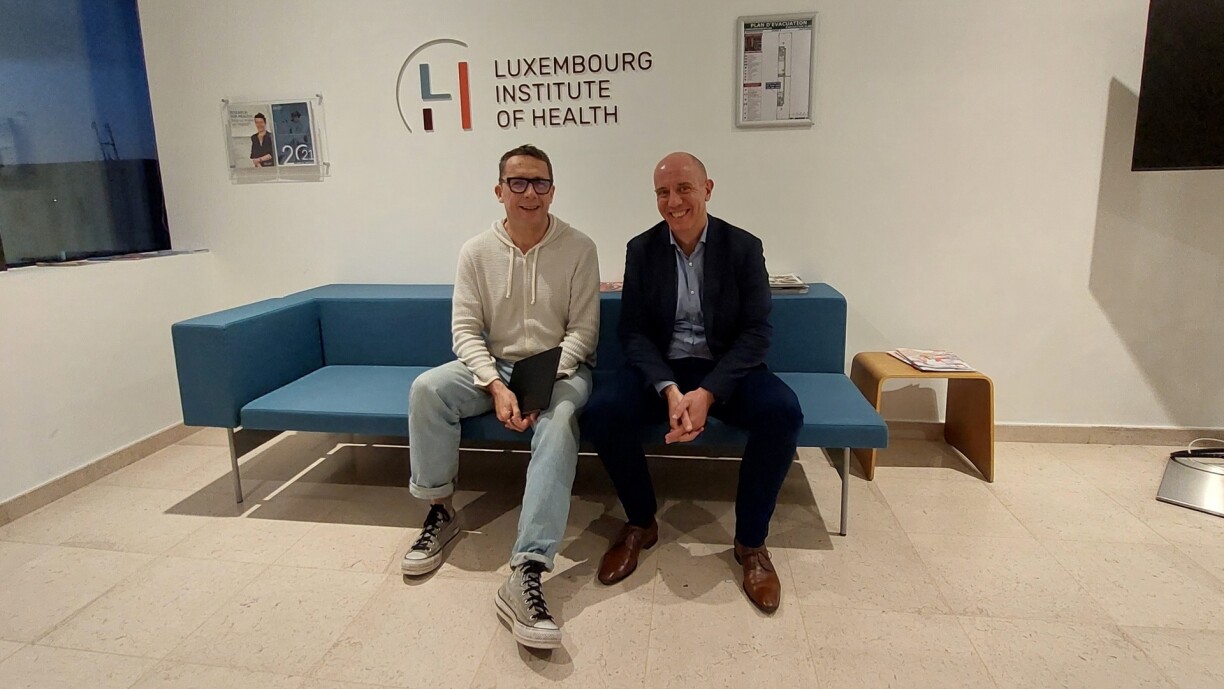
According to Prof Nehrbass, much of what was done during the pandemic could be used in the next one to implement faster and more targeted measures. Similarly, Prof Wilmes thinks that "we now have sort of a plan ready to go" in case such a situation occurs again in our lifetime.





