
Here's 5 things you should know about at the end of this week:

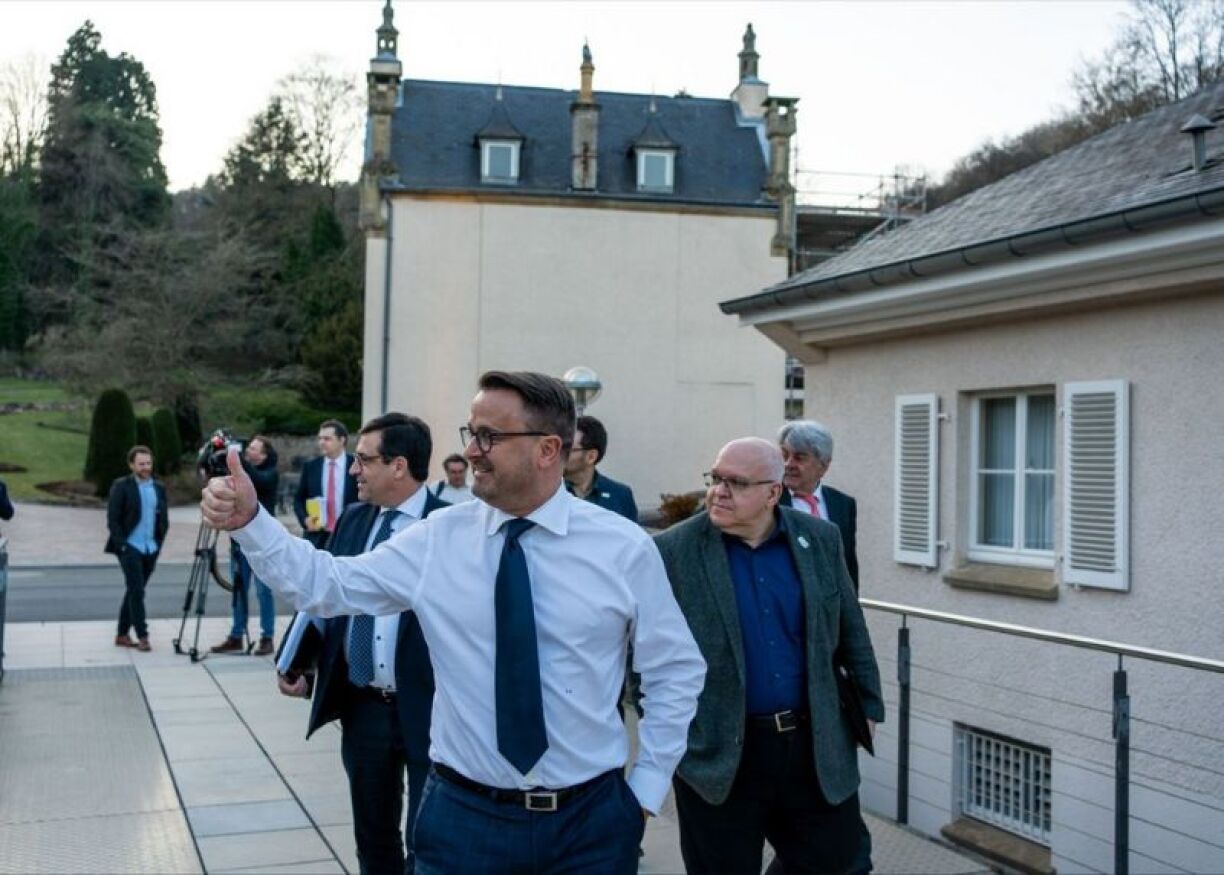
Government, employers and trade unions will convene in Senningen on 3 March to discuss the tripartite measures taken last year.
It was confirmed by STATEC last week, that the last tripartite between the Luxembourg government and the social partners succeeded maintaining citizens' purchasing power.
Lowering inflation - Thanks to the measures of the solidarity package, especially on energy prices, inflation was curbed and in January fell below the 5% mark for the first time since early 2022, at 4.8%.
Could there be three wage indexations in 2023? - STATEC announced a new indexation but neither unions nor employers' representatives have any details on what an additional indexation will mean for businesses.
Fourth quarter - STATEC's calculations indicate that the new wage indexation would be triggered in the fourth quarter of 2023. Bettel confirmed that he is not considering canceling this indexation.
Read also: The Greens propose targeted measures to curb uncertainty.
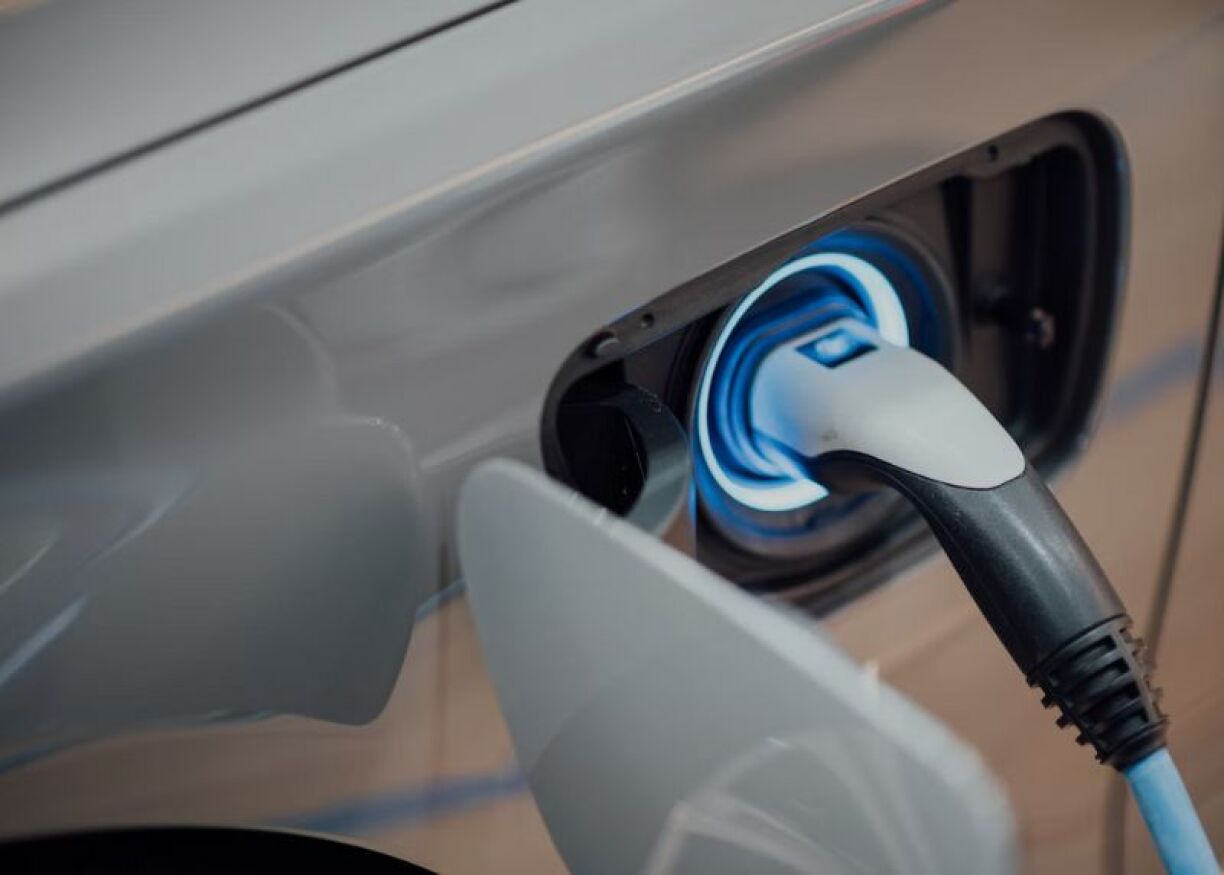
On Tuesday the European Parliament gave its final approval to a ban on new sales of carbon-emitting petrol and diesel cars by 2035.
The aim is to getting them off the continent's roads by mid-century.
In turn, this will also support the European Union's ambitious plan to become a "climate neutral" economy by 2050, with net-zero greenhouse gas emissions.
Jobs and economy at risk? - Supporters of the bill had argued to that it would give European carmakers a clear timeframe in which to switch production to zero-emission electric vehicles, and spur investment to counter competition from China and the United States..
Opponents remain skeptical - They argued that neither European industry nor many private motorists are ready for such a dramatic cut off in production of internal combustion engine vehicles.
'Havana effect' - The centre-right European People's Party warns that Europeans will continue to drive vintage fuel-burning cars after new sales are banned because they can't find or afford an electric. One MEP argued that the market should decide which technology would be best.
Victory for the planet? - Cars currently account for about 15 percent of all CO2 emissions in the EU, while transportation overall accounts for around a quarter.
Read also: Electric car sales gain pace despite hurdles
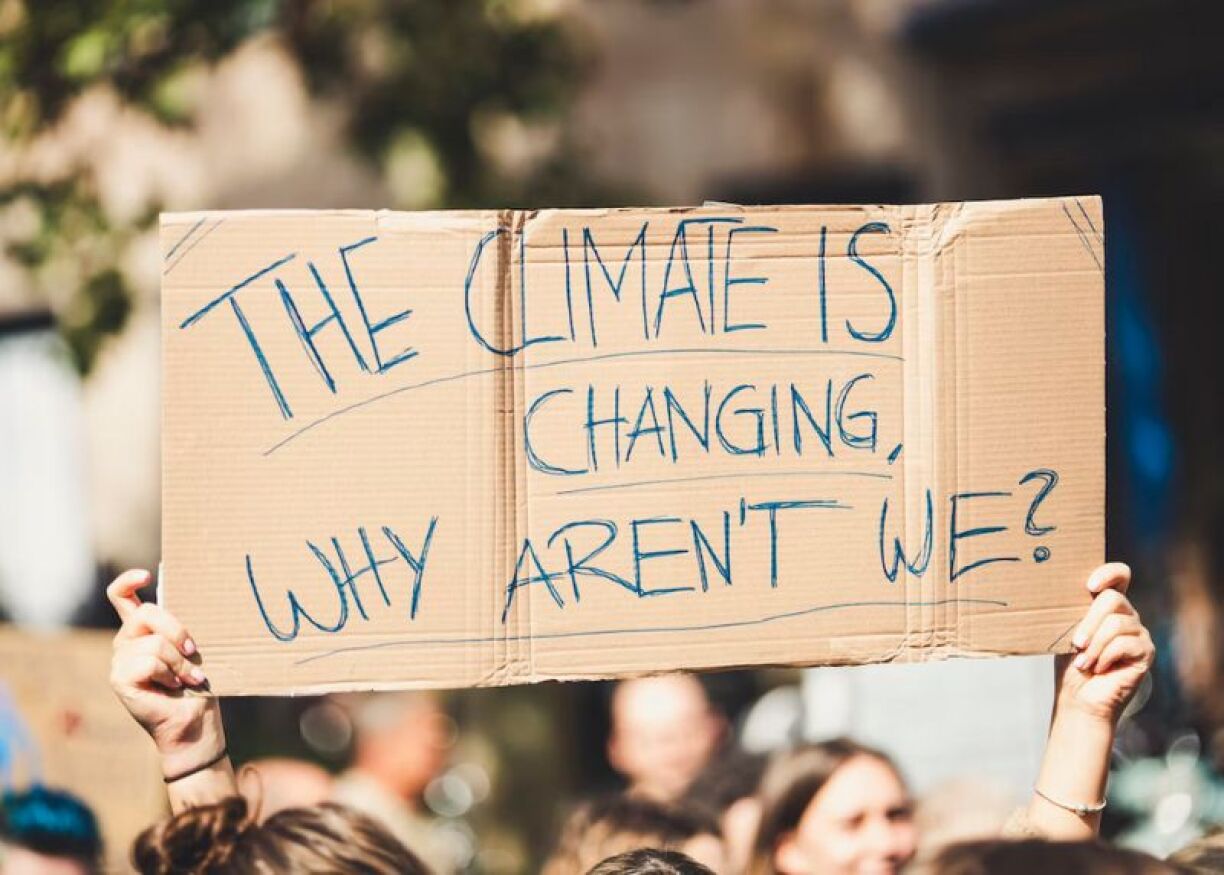
According to a new study by the Sustainaility Council, we would need 6.8 Earths if the entire global population were to consume as many resources as the average Luxembourger.
The council was able to identify three major areas that contribute to the ecological footprint in Luxembourg: Food, energy consumption and the use of petrol and diesel.
Opportunity to reconsider the environmental model - 22 July is the global Overshoot Day and the only country worse than Luxembourg is Qatar, which reached its Overshoot Day on 10 February.
How reliable are the calculations? - Although the overshoot day is convenient for comparing countries, its method of calculation is debated.
Limitations - The Grand Duchy is a small country and its results are influenced by its neighbours: The consumption of cross-border commuters is obviously taken into account in its ecological footprint, calculated per capita. Since they are not residing in Luxembourg, cross-border commuters accentuate the country's poor ecological result as much as they improve the Grand Duchy's GDP.
Exagerated results - Tourism at the gas pump is already worth almost two planets. The CO2 tax is considered a step in in the right direction as it limits tourism at the pump.
Read also:Luxembourg residents take record number of holidays in 2022
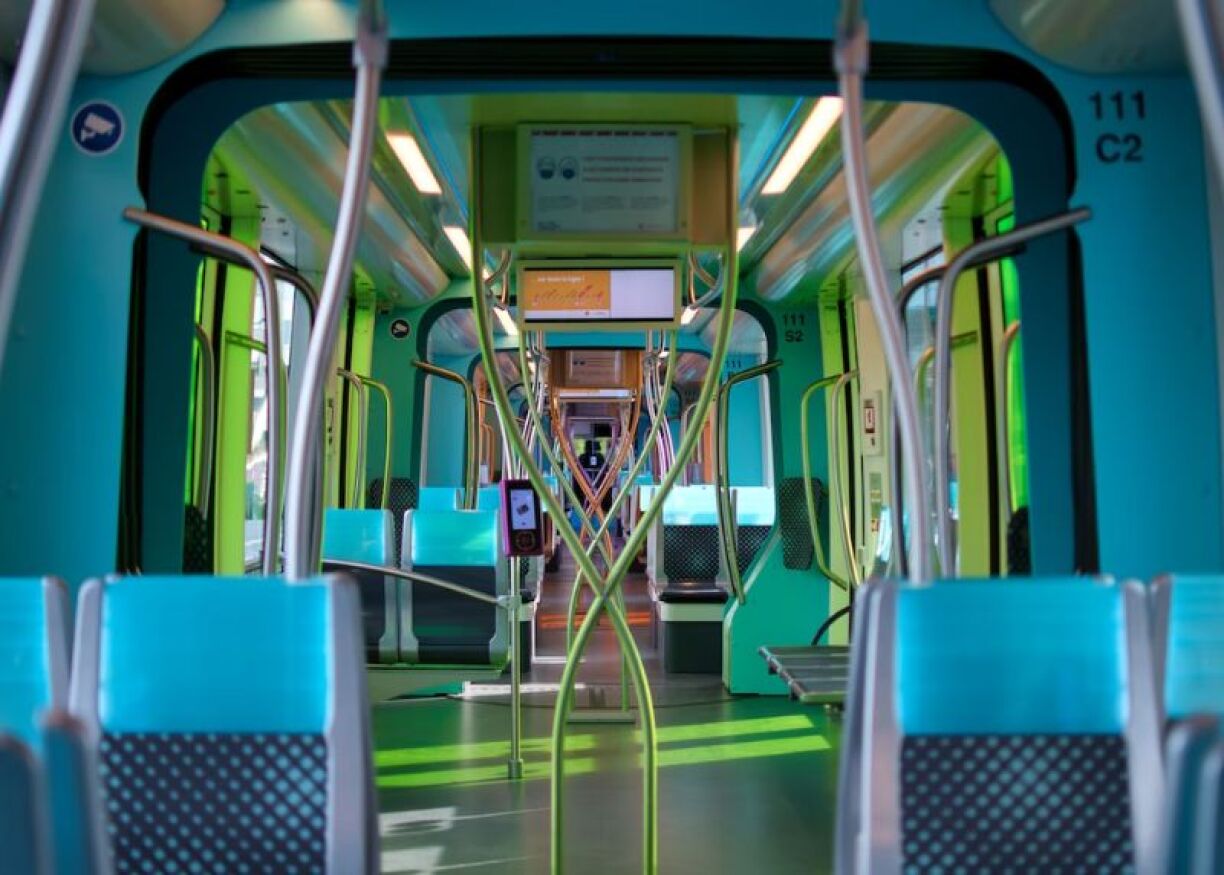
The project is now entering its most important phase with the building of a new bridge over the A1 starting in May.
The new segment connecting Luxexpo to Findel will be four kilometres long and include two new stops along the way.
Mobility Plan 2035 - The extended tram line is part of the governments new mobility plan which is designed to help manage traffic in Luxembourg in light of an ever-growing population.
2024 - the year of the tram - After the Bonnevoie extension in September 2022, the Bonnevoie-Cloche d'Or section will be completed and put into service "in spring of 2024" while Findel will be connected "in autumn of 2024".
Forecast - The tests for the Luxexpo-Findel extension should take place during the summer of 2024 with the aim of opening the section to the public a few weeks later.
Ambitious goal - Once completed, the tram line will extend over 16.4 km and will connect no fewer than 24 stations, including nine interchange points. With a frequency ranging from three to six minutes, it is the ambition of Luxtram to reach a capacity of 10,000 passengers per hour and per direction.

In a joint statement, the Chambers argue that the amendments will only have a very limited impact on the evolution of rents
Instead, the changes send negative signals to investors and will likely increase rents in the long run, thereby having the opposite of the desire effect.
If the predictions come true, the Chambers believe that the government's strategy might even lead to a loss of jobs in the sector.
Steep rise - Fact is, that the cost of renting a home in Luxembourg City has more than doubled since 2010, while announced rents increased by 4.7% between 2021 and 2022.
Increased demand - Since Luxembourg builds less, the pressure on the rental market will increase. With fewer people able to buy a property, demand for rental units has subsequently increased.
Planned changes - "We need stable prices. Individuals must be better protected; aids must be increased. And we have to build a lot more affordable homes," Henri Kox, the Minister of Housing, stressed.
No full support - The Minister however, has come under fire over the new rental legislation, both from residents and fellow governing parties.
Fact Check - What could change and will the new law be able to prevent excessive tendencies? Considering the extensive discussions around the topic, RTL took a closer look.
Martin Jonsson wrote an opinion piece about the floundering response to the unsustainable cost of housing.

'Some skiing regions might disappear entirely' - On Monday morning, the climatologist and head of the ASTA meteorological service joined our colleagues on RTL Radio to discuss the climate. Although a single exceptional year cannot be considered proof of climate change, said cFerrone, it is still the case that temperatures are experiencing a long-term rise.
Animal Rebellion - Climate activists blocked a road next to the UK parliament on Tuesday with a Valentine's-themed protest, before being dragged away by members of the public, as police made six arrests.
Lights out - Following a series of power outages in recent weeks, our colleagues from RTL spoke to Marc Meyer from energy provider Creos about the principal causes.
Not hiding anymore - Czech international midfielder Jakub Jankto said on Monday that he was gay in an emotional video on his Twitter account. Only a handful of top players have publicly come out as gay while still playing.
Valentine's Day - RTL spoke to Alexandre Ecker from the Centre for the Luxembourgish Language (ZLS) about why there is no direct verb for loving in Luxembourgish.

Your Weekly Recap is published every Friday at noon. Read earlier versions.
This week's edition was brought to you by Alannah Meyrath.
--
If you have any comments, questions, concerns on improving the Weekly Recap - contact me at alannah_meyrath@rtltoday.lu





