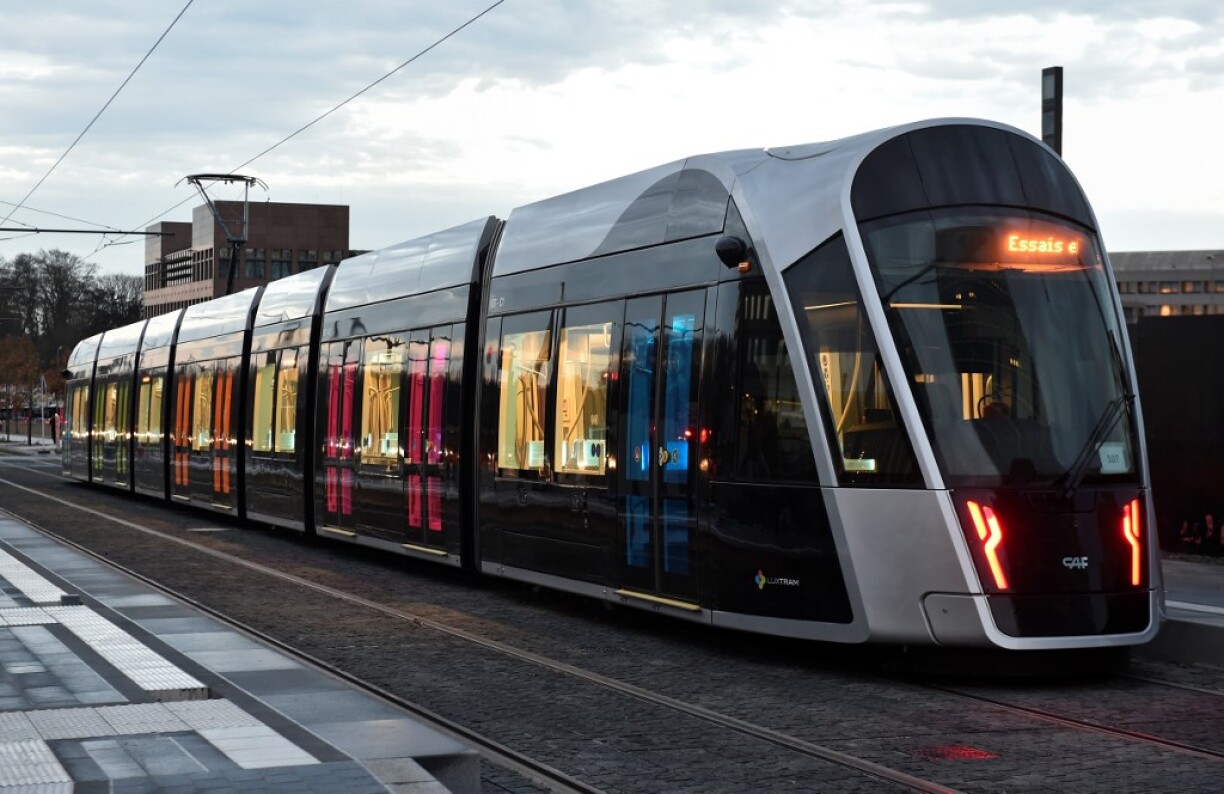
Luxembourg recently became the first country in the world to make its entire public transport free for all. This drew press attention from around the globe and raised the question of feasibility for other European countries.
There is no doubt, free transport comes with a price tag. The Luxembourg government set aside 41 million Euros for the project, an amount corresponding to the yearly revenues from train, bus and tram fares.
Read Martin Jonsson's editorial on public transport here
"Considering the money that is being invested in other areas such as infrastructure, this amount is rather minimal and makes it easier for Luxembourg to implement the measure than other countries", reads the Luxembourg public transport site.
Stephen Lowe: How to commute the commute
This is one of the factors that allowed the country to take the leap. And even if Luxembourg is currently the only country to have introduced free public transport, it is not a new idea. Cities such as Talinn (Estonia), Dunkerque and Aubagne (France), Hasselt (Belgium) or Templin (Germany) had already introduced it and drawn very positive conclusions.
Nathalie Lodhi's op-ed on free public transport is here
We know, for instance, that free transport has convinced many car owners to switch to softer mobility, that public transport has not become less safe (French) and that it has helped reduce carbon emissions, even if the impact was qualified as "limited".
These conclusions will be useful reference points for the Luxembourgish authorities when they release their first annual report in March 2021. But with the pandemic, lockdown and subsequent fear of infection, Luxembourg's first year certainly won't have been a standard experience.
"The lockdown dropped us into the abyss", admits the Minister for Mobility, François Bausch, stating that they can forget April, May and June altogether in terms of public transport usage. "And this isn't over," he adds. Seeing the latest rise in infections, he is no doubt right. But this is no reason to be optimistic long term. "I expect there will be a massive (usage) increase after the crisis," he says.
François Bausch promises "a first great leap" in Luxembourg's mobility from December 2023. "The transformation of the Central Station will be completed, the rail line to Bettembourg will be done, the station in Howald will be finalised, a number of Park + Rides will be completed and the tram line between Findel airport and Cloche d'Or will be done", he explains.


This first "leap" will be followed by another, says François Bausch. As of 2030, he expects Luxembourg to be "a model for the organisation of mobility". He is relying on projects such as the rapid tram between Esch-sur-Alzette and Luxembourg City to really jumpstart a change of behaviour in the country.
Free public transport is only one stage in a "transformation" that "began seven years ago", says François Bausch. Luxembourg has indeed made massive investments in public transport over the past years.
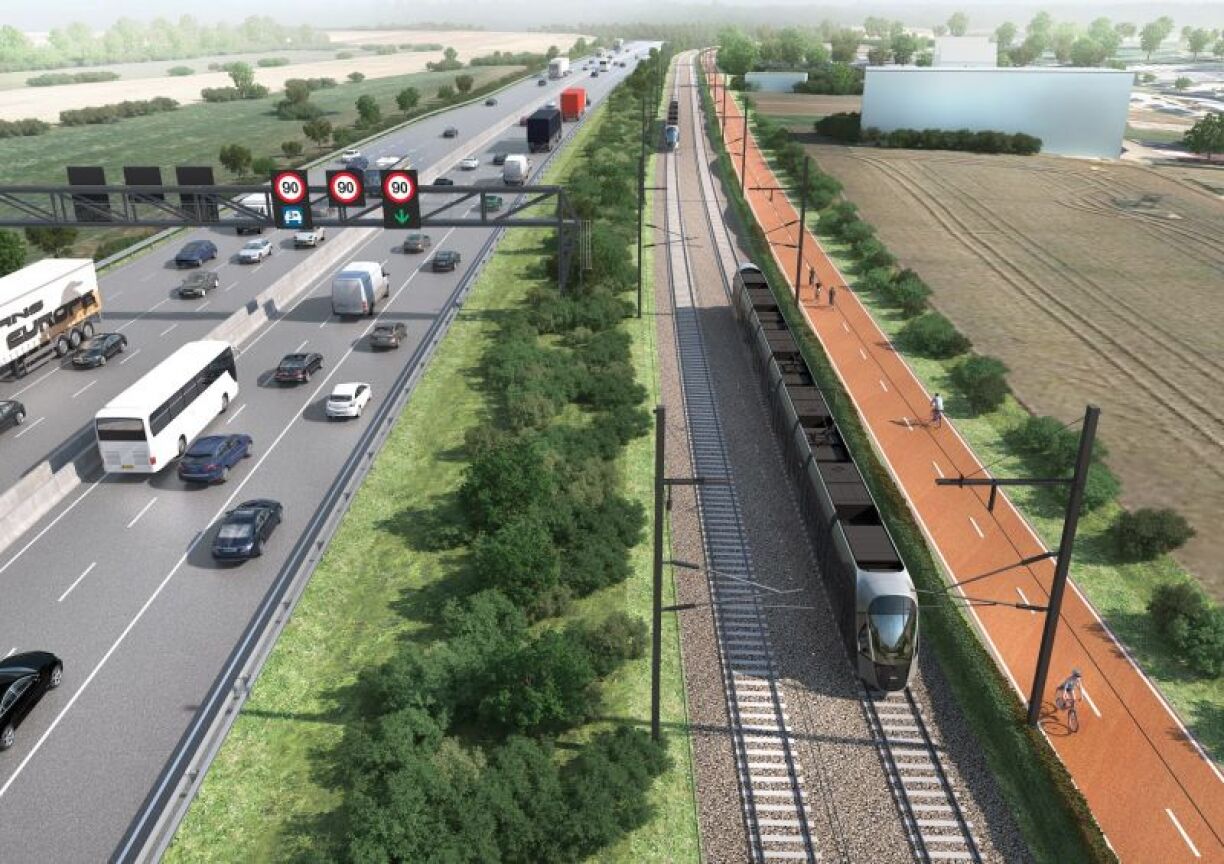
547 million Euros have been set aside for mobility and climate investments for 2021 alone. An investment that is part of the government's global strategy, after it announced in March a total of 3.2 billion Euros would be dedicated to increasing the rail network until 2027.
"We have introduced a new dynamic which will lead to a change in behaviour", François Bausch says. He is convinced that "Luxembourg will look different in 2030". The minister expects that these new infrastructures will also improve the urban areas in the Gare quarter and in Esch-sur-Alzette, but not only there.
François Bausch explains that by linking "the economic centres of the country (Esch and Luxembourg)" with the multimodal corridor, the country's economic attractivity will only increase. He also predicts an "important ecological impact" of the emerging alternatives to the car, especially once all the public works will be completed.
Even if it will be some years before all of the projects can be enjoyed, the tram's arrival at the Central Station in December will be an important next step. At least it will give mobility fans a first taste of what they can expect further down the line in 2030.
Free public transport, along with an ambitious investment strategy, has made Luxembourg an international reference in terms of mobility. A model that François Bausch thinks is "transferrable to big cities such as Paris, Berlin or Lyon", stating that "we must continue in this direction." Do you agree?





