European households could save more than €2,200 a year in energy costs if they switch to heat pumps and electric cars, according to a new analysis by Danish climate think tank CONCITO.
According to the study, those savings could be even higher if governments adjust electricity taxes and people use more power outside peak hours.
Researchers also see this as a way to better protect households from fluctuating gas and petrol prices. Since the recent energy crisis in particular, many households across Europe, including in Luxembourg, have had to cope with sharp increases in heating and fuel costs.
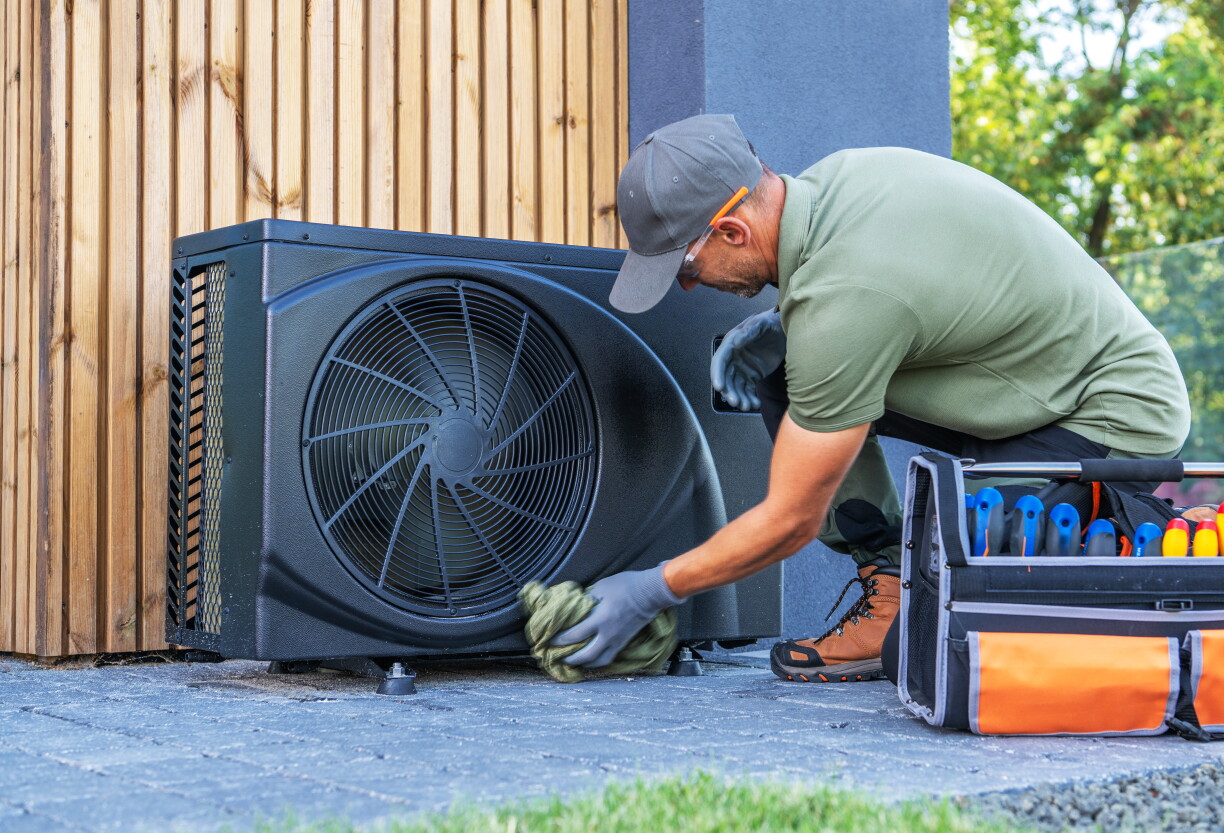
Heat pumps play a central role in the study. The technology is considered far more efficient than conventional gas or oil heating systems.
According to European Commission data, heat pumps are three to five times more energy-efficient than traditional heating systems. They use energy from the air, ground, or water instead of burning fossil fuels.
At the same time, the EU also wants to become less dependent on fossil fuels. Currently, more than 70% of the energy used for heating and cooling in Europe still comes from fossil sources.
Experts also expect electric cars to be cheaper in the long term. Alongside lower fuel costs, reduced maintenance costs play a key role.
Many electric cars have fewer parts prone to wear and tear than conventional combustion-engine vehicles. Several European countries, including Luxembourg, already support the transition with subsidies or tax incentives.
Despite the potential savings, the high initial cost remains a major problem for many people. Heat pumps and electric cars often cost significantly more than traditional alternatives.
The issue is also being discussed online. On Reddit, several users have pointed out that such investments often only pay off after many years.
Researchers argue, however, that the calculation could become increasingly attractive over time, especially if gas and petrol prices continue to rise.





