
Here are five things you should know at the end of this week:
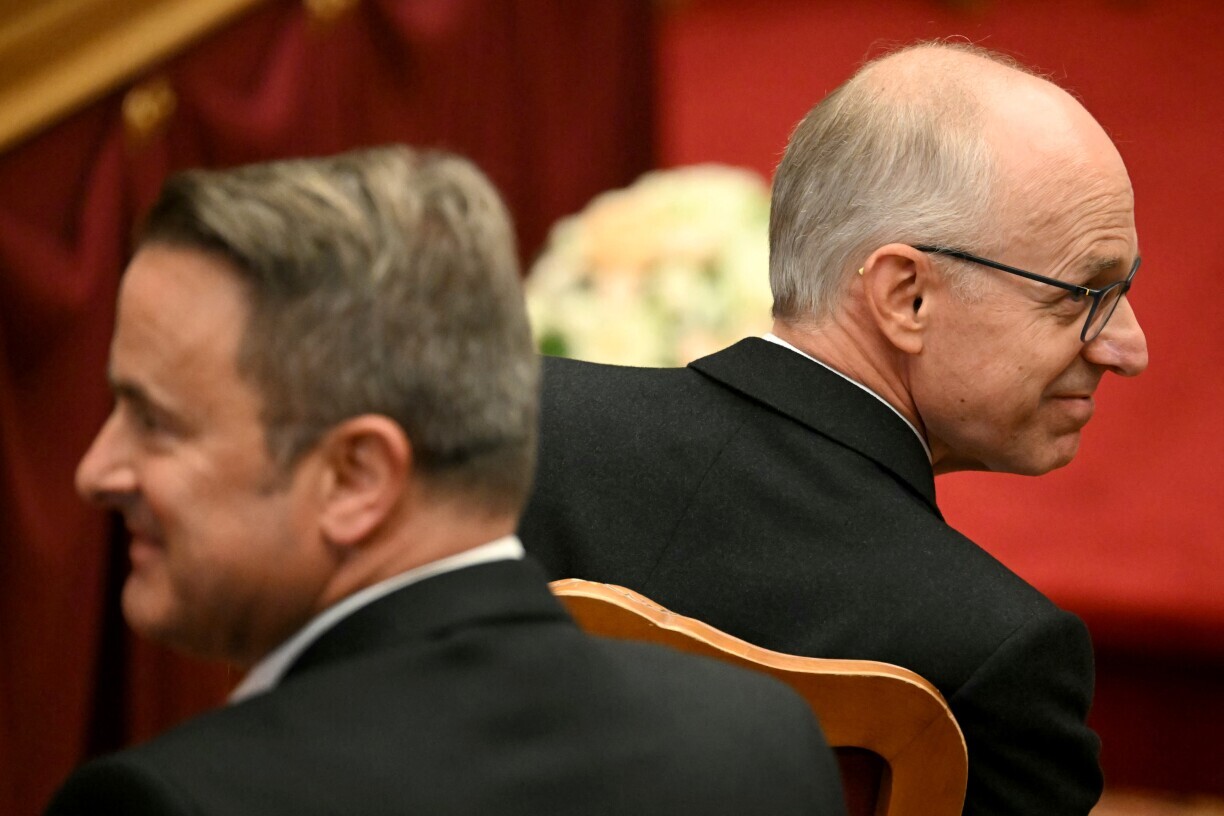
Major drop – The latest Sonndesfro poll, commissioned by RTL and Luxemburger Wort, shows the Christian Social People's Party (CSV) suffering a historic drop of eight points from the 29.8% obtained in the previous legislative elections, now tying the Democratic Party (DP) and the Luxembourg Socialist Workers’ Party (LSAP) at just over 20% each. If elections were held now, the CSV-DP coalition would no longer secure a parliamentary majority, forcing an end to the current two-party arrangement.
The CSV's secretary-general Alex Donnersbach acknowledged the dissatisfaction, but defended the government's record.
Three-way split – With the CSV projected to lose six seats and the DP gaining one, no two-party coalition could command a majority. This scenario would make a three-party coalition mandatory, reviving possibilities such as the previous LSAP-DP-Greens alliance. Political parties across the spectrum have reacted, with opposition figures calling for policy changes and coalition leaders emphasising the poll as a snapshot rather than a verdict.
Main issues – The poll also highlights housing as the top political issue, with 88% of respondents citing high rents as a major concern. Social tensions are rising, as evidenced by strong support for trade union actions and calls for a tripartite meeting to address wage and cost-of-living issues. The results also show voters divided on tax reform and NATO, while a majority favour banning social media for those under 16.
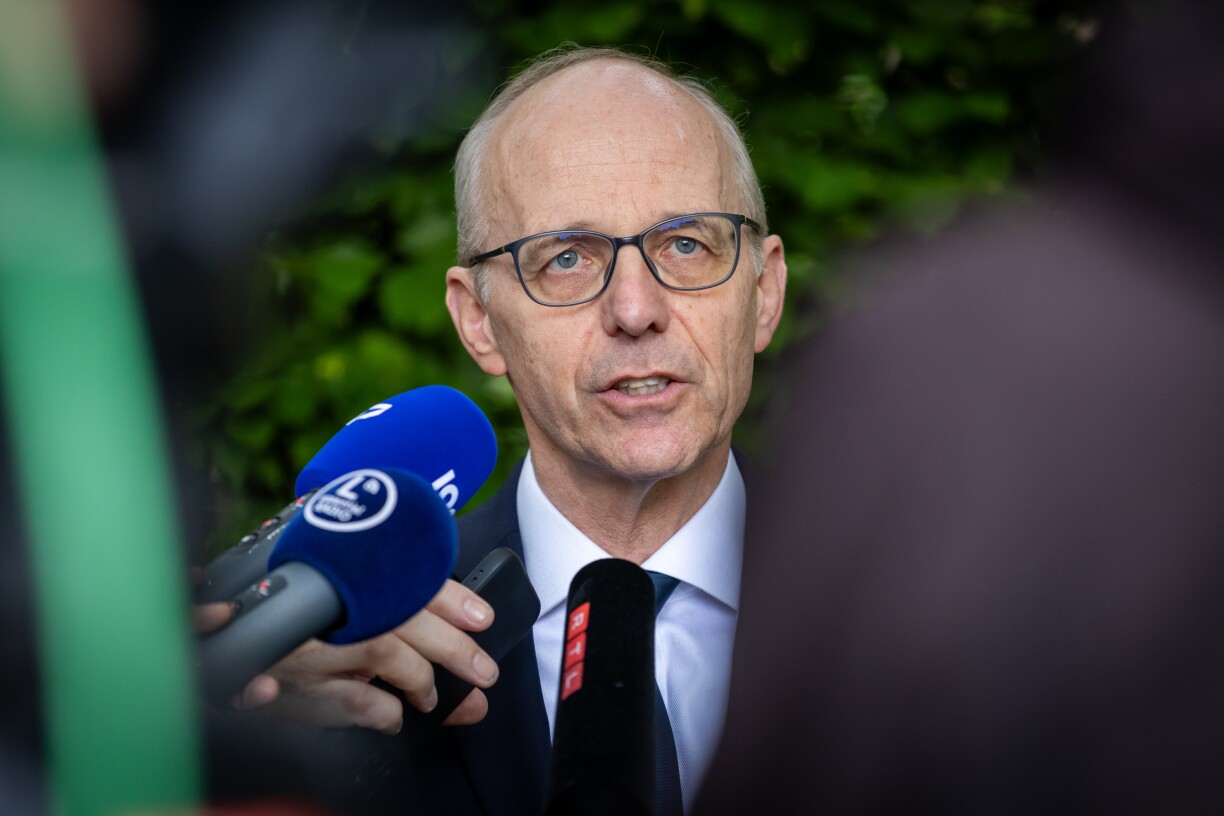
Different priorities – As preparations for the tripartite talks move forward, significant differences have surfaced among Luxembourg’s social partners. Trade unions are pushing for a broad agenda, including purchasing power, job security, housing, and healthcare. In contrast, employer groups prefer a narrower focus on energy, inflation, and competitiveness. Prime Minister Frieden has not indicated which direction the government favours, instead promising to bring all views to the Government Council.
Government defends approach – Labour Minister Marc Spautz has faced criticism over the government’s reliance on bilateral rather than trilateral talks, but insists this approach is necessary given the current climate. Despite not yet uniting unions and employers at one table, Spautz points to months of bilateral discussions and working papers as evidence of progress. He maintains that a holistic approach is essential, especially as no agreement has been reached on contentious issues like working time and minimum wage.
Strong public backing for talks – The recent ILRES "Sunday poll" found that 83% of Luxembourg residents support convening the tripartite. This broad public backing comes as the government seeks to address pressing issues such as inflation, energy costs, and housing affordability. The first three-way preparatory meeting is scheduled for 12 May, with the main tripartite negotiations set to begin on 2 June.

Years of waiting – After years of delays and appeals, the trial into the death of nearly three-year-old Emran at the 2019 Luxembourg Christmas market has finally begun. The case centres on a two-tonne ice sculpture that collapsed and fatally injured the toddler. Emran’s family, who have waited years for answers, hope the proceedings will clarify what happened and who was responsible for the tragedy.
Blame game – The court is examining how responsibilities were divided between the Luxembourg City Tourist Office (LCTO), city officials, and the sculptors. Testimony revealed that while the LCTO commissioned the sculpture, the city was ultimately responsible for event safety. Notably, there were no specific safety standards or inspections for ice sculptures at the time, unlike other large public events.
Sentences and next steps – The public prosecutor has called for suspended prison sentences and fines for two of the sculptors and a staff member from the LCTO, while recommending acquittal for the other defendants. The prosecution argued that a lack of communication about the sculpture’s size prevented proper safety measures. The trial continues, with further questioning of the sculptor and testimonies from those involved.

Hantavirus – The Dutch-flagged MV Hondius set sail from Ushuaia, Argentina, on 1 April, with passengers later developing symptoms of hantavirus, specifically the Andes strain. Three people have died, and five cases have been confirmed, with three more suspected. The World Health Organization has emphasised that, unlike Covid-19, the risk of a wider epidemic is low, provided that containment and isolation measures are properly implemented.
Luxembourg to the rescue – Luxembourg Air Rescue played a key role in the international response, flying two infected patients from Cape Verde back to Europe amid logistical challenges involving multiple authorities. Additional patients have been evacuated to hospitals in South Africa and the Netherlands. The ship is now en route to Tenerife, where further repatriation and public health measures are being coordinated to prevent further spread.
Expected to be contained – The Andes strain of hantavirus, found in Latin America, is the only type known to spread between humans. The incubation period can last up to six weeks, meaning more cases could still emerge among those exposed. Health officials are tracing contacts and monitoring passengers, but stress that, with proper precautions, the outbreak should remain contained. No new symptomatic cases have been reported on board as the ship continues its journey.

Fresh diplomatic efforts – Envoys from Israel and Lebanon are set to hold their third round of talks in Washington, despite both countries having no formal diplomatic relations and decades of technical war. The discussions come as Israel continues its campaign against Hezbollah, with recent strikes in Lebanon. Israel has also become the focus of further international condemnation for the unlawful detention of activists in international waters.
US officials describe a peace deal as 'eminently achievable,' though the militant group remains a major obstacle.
Hormuz in the middle – The wider conflict has led to a near-total halt in shipping through the Strait of Hormuz, a critical route for global oil and gas. About 1,500 ships and 20,000 crew are stranded in the Gulf region, according to the UN's International Maritime Organization. France has deployed its aircraft carrier Charles de Gaulle to the southern Red Sea, preparing for a possible multinational mission to restore navigation once hostilities subside.
Economic and political fallout – Oil prices have fallen sharply on hopes for a peace deal, though they remain above pre-war levels. The blockade and ongoing military actions have rattled global markets and increased pressure for a diplomatic resolution. France and Britain are leading efforts for a defensive coalition to secure the strait, while the US and Iran are reportedly close to a memorandum of understanding to end the conflict and begin broader negotiations.
Your Weekly Recap is published every Friday at noon.
Read earlier versions here.





