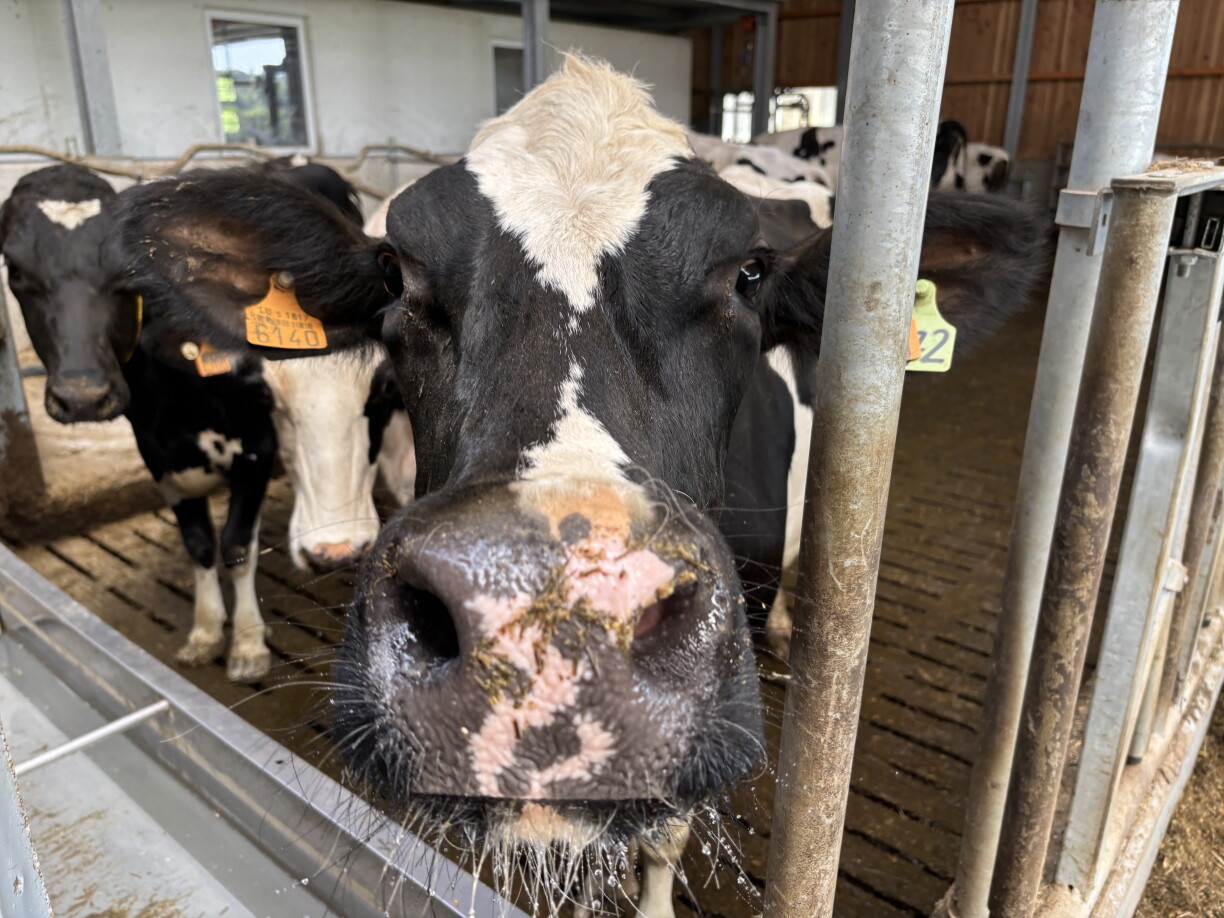
Farmers were left in shock after French dairy corporation Lactalis announced it would not renew its contract with the milk producer cooperative Prolek.
The arrangement is set to end at the end of April next year. By then, the roughly 70 producers will need to find a new buyer for their milk.
The disappointment has been immense, according to Vic Wirtz, president of the Prolek farmers' cooperative. He and his brother run 300 dairy cows, as sixth-generation farmers hoping to pass the business on to the seventh. A 40-year collaboration is coming to a close, first with EKABE and then with Lactalis. After the initial shock, Wirtz said he wants to look forward and find solutions, and that it matters to him to do so for every member of the cooperative.


Wirtz noted that Prolek brings together 68 family businesses of differing structures, with some larger and some smaller, and varying positions in terms of milk transport. That, he said, is the point of a cooperative, to help one another through difficult moments. He pledged that no one would be left behind and that all members will together find a new home.
Together, the farmers produce around 50 million litres of milk a year, between 10% and 15% of Luxembourg's output. Wirtz argued that Prolek and Lactalis are treating each other with respect and that the contract will be honoured by both sides until it ends. The decision is final, he said, even if the closing date may still have to be negotiated.
Wirtz said Prolek had approached the three main players in the country, contacts had been made, and the process was now under way. Those three players are Luxlait, Muh-Arla and Hochwald.
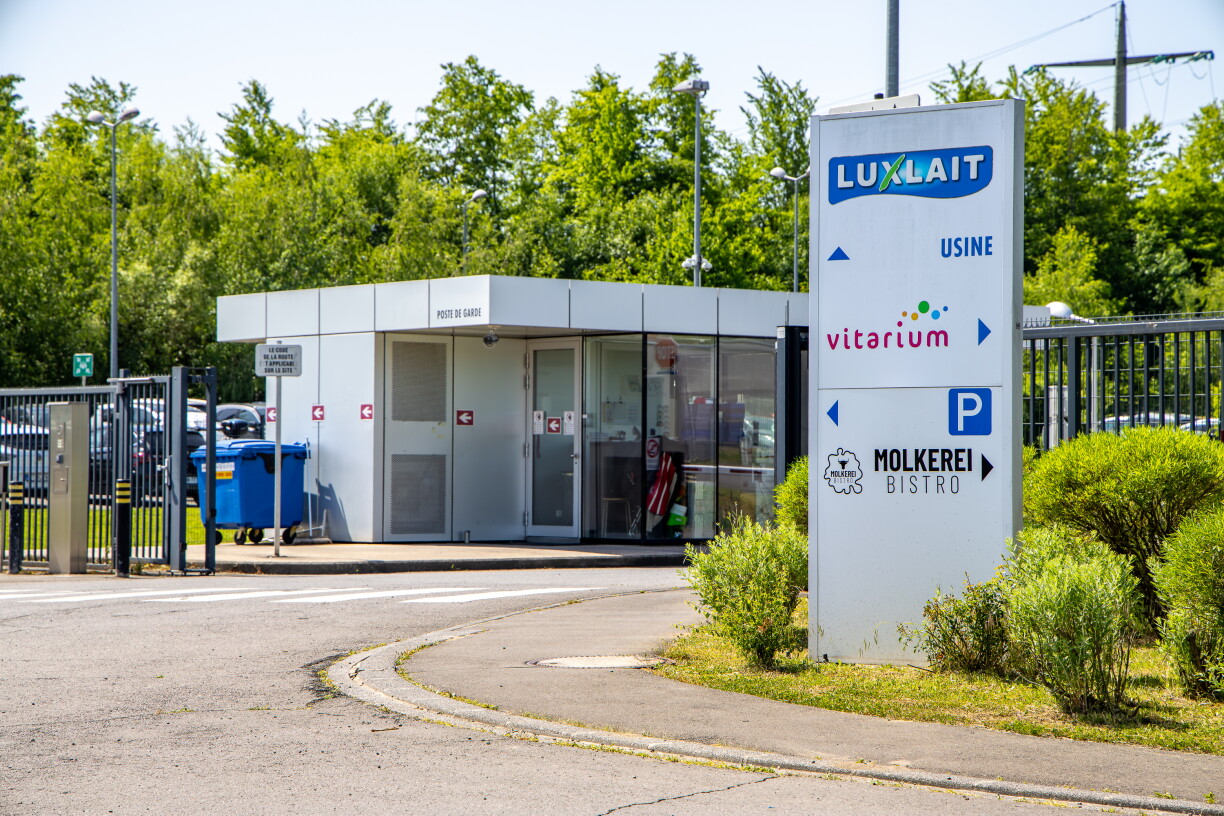
Luxlait director Gilles Gérard, contacted for comment, said the cooperative could not absorb such volumes overnight without an in-depth analysis. Writing by email from an economic mission to Thailand, as part of the EU agri-food business delegation to Thailand, he said Luxlait would shoulder its responsibilities as a central player in the Luxembourg dairy sector. The question of expanding capacity, he added, has always been part of the cooperative dairy's strategic thinking, though it would require major investment, and the current crisis might accelerate that reflection.
Wirtz said he had been struck by the support received, including from the Ministry and from the agricultural sector and other players he might not have expected to come forward so quickly, calling it a very positive sign. Crisis meetings are scheduled for Monday, both with the Ministry of Agriculture and within the cooperative itself.
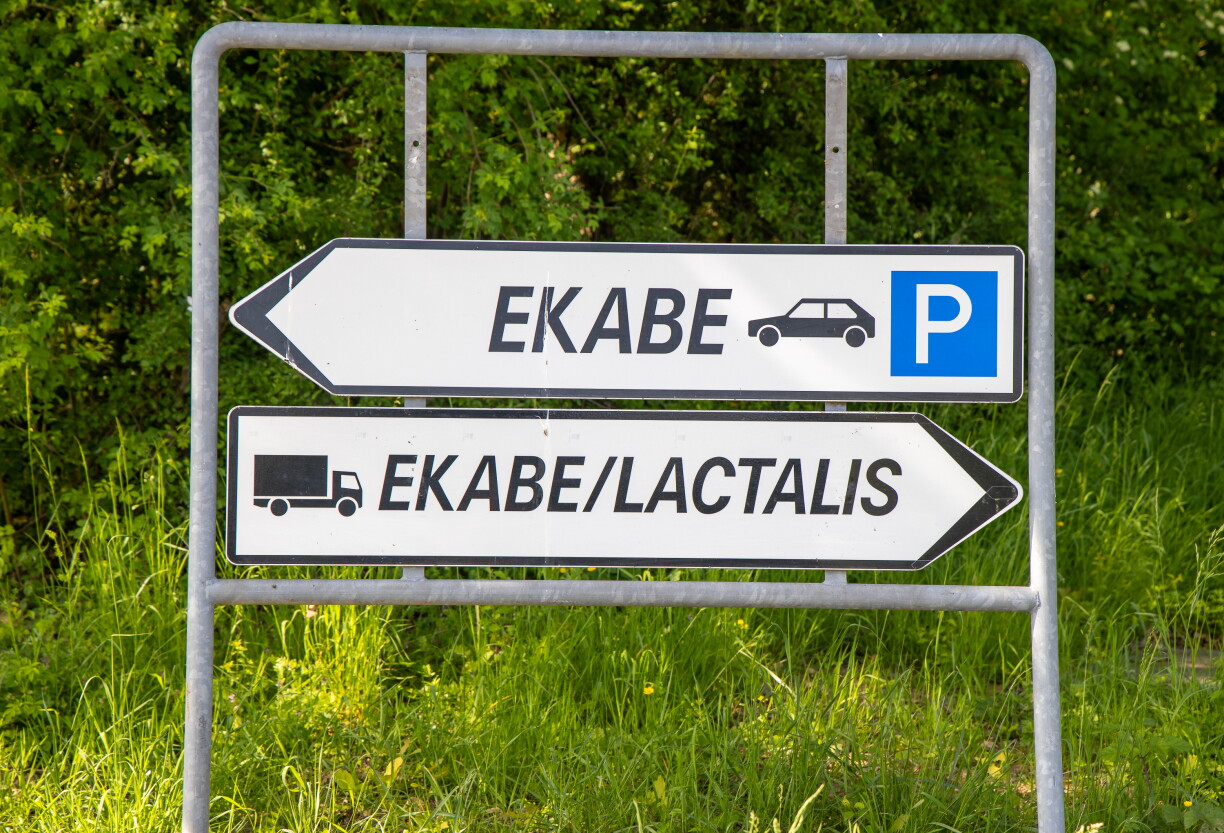
Lactalis took over the EKABE dairy in 1989, but today EKABE survives only as a brand, with the cheeses and creams produced in France. At the site in Eschweiler, a few hundred metres from Wirtz's farm, the milk is only pasteurised and concentrated, with the water content reduced so that transport to other processing sites across Europe is cheaper.
Lactalis is the world's largest dairy company. Last year, the French multinational posted a turnover of more than €31 billion and employs over 85,000 people worldwide. Its portfolio includes famed brands such as Président Camembert, Leerdammer and Galbani. The group is also active in North America, Asia, the Middle East and Oceania.
The corporation has justified its decision by pointing to difficult economic conditions in the international market for dairy products, where profit margins are shrinking while the cost of milk in Luxembourg remains high. Lactalis has pledged to support farmers in the coming months as they look for alternatives and to work with local partners on the transition.
In autumn 2024, the group announced that it would cut its milk collection in France by 9% by 2030, including in regions just across the border, which caused considerable uproar in France at the time.
In a press release, the Centrale Paysanne said it was deeply shocked that EKABE, owned by the French Lactalis group, would no longer accept milk from Luxembourgish farmers and would let contracts with the roughly 70 producers lapse. The farming association noted that the businesses concerned had invested heavily in milk production in recent years, only to see their planning security stripped away in favour of a global corporation's profits.
Pushing aside Luxembourg-produced milk in order to import cheaper milk from further afield, the association argued, has nothing to do with national food production and is anything but sustainable. The Centrale Paysanne stressed its solidarity with the EKABE producers and pledged to support its members as much as it can.





