The government wants to tighten controls on substandard shared accommodation while at the same time avoiding rules that could further reduce the number of affordable rooms available on the housing market.
A parliamentary housing committee meeting on Tuesday was briefed by Housing Minister Claude Meisch and ministry officials on the planned reform of the 2019 law on health, hygiene, safety, and habitability of housing. Although the draft legislation has not yet been finalised, it is expected to begin the legislative process over the summer.
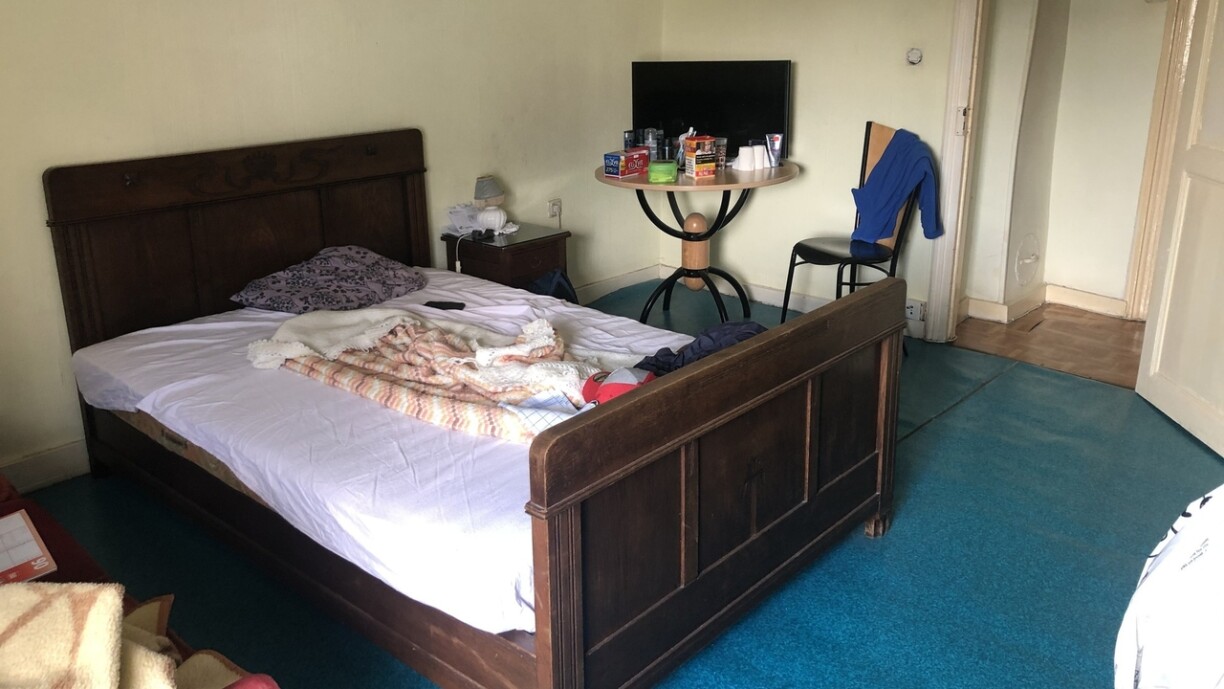
Under the reform, shared rental accommodation with multiple tenants commonly known as "Kaffiszëmmeren" – café rooms – would officially be renamed "multi-lease housing". The Luxembourgish term "Kaffiszëmmer" is commonly used to refer to small, often precarious rented rooms or shared accommodation.
The minimum size requirements would remain unchanged, with rooms needing to provide at least nine square metres per occupant aged over 12. The age threshold is intended to avoid situations where a family automatically becomes non-compliant after the birth of a child.
Despite the often precarious nature of such accommodation, the government's approach is to avoid overly strict rules that could push more housing off the market. Several detailed requirements introduced under the 2019 law, such as rules governing the size of tables or the number of seats required, would therefore be removed.
At the same time, mayors and municipal services would receive broader powers to carry out inspections. Forced entry into a property would still only be possible under certain conditions, but would no longer require prior authorisation from a court.
However, authorities would need "strong indications" that there is a risk to the health or safety of residents. A formal report would also have to be issued within 15 days of an inspection.
To prevent unsafe housing from immediately being rented out again, the reform would introduce a mandatory marking system. In practice, properties deemed non-compliant would have to display an official notice indicating that they are not considered habitable under the rules.
Owners of housing classified as unsafe or unsanitary would also have to pay an "insalubrity tax", the amount of which has not yet been determined. According to Housing Minister Claude Meisch, however, it is intended to be sufficiently high to act as a deterrent.
The tax would also help cover the costs of rehousing tenants where necessary. Property owners could be required to pay for alternative accommodation for up to 12 months, compared with three months under the current rules. The tax would remain payable until the property is brought back into compliance.
By contrast, landlords offering compliant housing would be eligible for a label valid for three years, which could be displayed in property advertisements.
During committee discussions, MP Alex Donnersbach of the Christian Social People's Party (CSV) questioned what he considered excessive safety requirements, particularly for older buildings. In his view, fire safety rules for older housing should be less restrictive.
MP Meris Šehović of The Greens (déi gréng) argued, however, that all residents should benefit from the same level of protection regardless of whether they live in old or new housing. He suggested that exemptions could instead be handled on a case-by-case basis.
Meisch said he understood both positions and stressed the need to strike a balance. If the rules become too strict, he warned, even more housing could end up sitting empty. At the same time, he said, safety standards must still be guaranteed.





