Here are five things you should know at the end of this week:
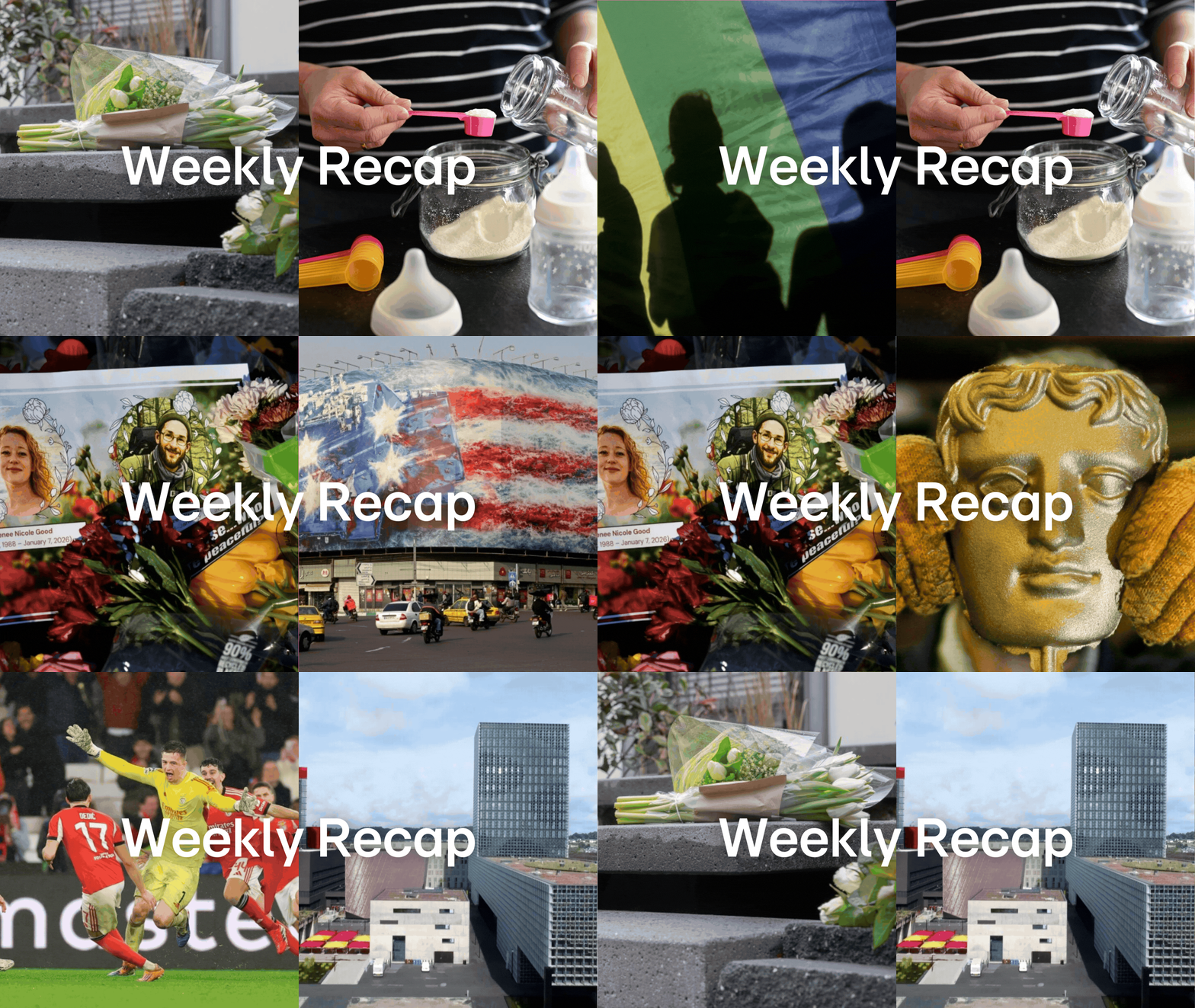
Fatal stabbing – A knife attack in Limpertsberg resulted in the death of a woman and critical injuries to one other, on Tuesday afternoon. Police were alerted via the 113 emergency number shortly after 2pm, receiving initial reports of two injured women at a Limpertsberg building. They were transported to the hospital, where one would succumb to the injuries.
The deceased was identified as a 35-year-old French national living in the Moselle department. She was an employee of a real estate agency, and was reportedly present for a property viewing with the suspect. The second victim, a resident in the building, was taken to hospital with serious injuries and was later identified by prosecutors as a 36-year-old Luxembourg national. According to the latest information, she is no longer in critical condition.
Manhunt ensues – As the alleged attacker tried to flee, police launched a search and located a damaged black car on a nearby side street. Bob Leesch, the police director of operations, said officers intercepted the suspect about 20 minutes after the first call as he attempted to escape, with patrols deployed across possible routes and the suspect’s vehicle located near Biergerkreuz. Police later apprehended a man on foot in the Bridel/Kopstal area.
No family ties – The 27-year-old suspect appeared before the examining magistrate on Wednesday and underwent . The prosecutor’s office said there were no family ties between the suspect – identified as a Belgian national, non-resident in Luxembourg – and the victims; a follow-up statement on Thursday revealed the suspect had arranged an appointment with the future victim in the context of a potential real estate transaction.
Authorities urge the public to respect the secrecy of the investigation and the presumption of innocence.

From petitions to policy – A 2024 petition debate focused on whether LGBTQIA+ topics belong in classrooms, with one petition calling for exclusion for minors and another advocating inclusion. To respond to the societal divide, the government asked the committee to develop an official stance, and Minister Yuriko Backes said the government would not pursue "invisibility", keeping the topics within the education framework.
Infrastructure changes in schools – Education ministry infrastructure lead Christian Ginter said future school toilets will have a simple "WC" sign rather than gender-specific signage, with a shared entrance “regardless of gender, age, or size” and private stalls inside. Ginter also said urinals will be completely phased out, and new buildings will offer changing-room options between communal space and private individual cubicles that may include a shower. LSAP MP Georges Engel welcomed the approach by arguing that homes generally do not separate toilets by gender.
Training, materials and a new guide – The National Education Training Institute (IFEN) has offered 13 dedicated courses since January 2026 that teachers can attend based on their needs, while the Service for the Coordination of Pedagogical and Technological Research and Innovation (SCRIPT) has developed age-appropriate materials for Cycles 2, 3, and 4 to help children understand their bodies, boundaries and rights in a playful way. The Centre for Psycho-social and Scholastic Support (CEPAS) has also developed a guide responding to demand from teachers and administrators, with checklists of recommended and discouraged practices and guidance on classroom situations, discrimination incidents, curriculum integration and respectful treatment of transgender youth. The work aligns with an effort to integrate seven transversal societal themes across the curriculum, including democratic citizenship, media education, and sexual and affective education.

Baby formula recalls – In January, the Luxembourg Veterinary and Food Administration (ALVA) issued several warnings and recalls of baby formula products due to the potential presence of cereulide toxins. Authorities later said one suspected case of cereulide intoxication had been identified in Luxembourg, with the milk being analysed and no increase seen in unexplained severe vomiting cases, according to CHL paediatrician Dr Isabel De La Fuente. ALVA deputy director Patrick Hau said the overall risk appears limited but cannot be ruled out, noting symptoms such as intense vomiting typically appear between 30 minutes and six hours after consumption, while ALVA says it conducts around 1,400 analyses each year and is introducing targeted checks to detect potential contamination across other infant products.
Europe on alert – Nestlé pulled batches in several European countries on 6 January after detecting contamination in infant milk powder at a Netherlands production site at the end of 2025, describing the operation as the largest recall in its history, with affected brands including Beba, NAN, and Alfamino. Danone announced it would withdraw limited specific batches to comply with guidance, later saying it was voluntarily recalling two batches in France as a precaution in light of new European recommendations, while Lactalis also recalled batches in France and other countries, naming a wide list of affected markets. Reports said several manufacturers’ recalls had in common the use of the same additive supplied by the Chinese company Cabio Biotech, used to bring powdered infant milk closer to the composition of breast milk.
France investigation – Earlier this month, France’s health minister said suspicious products had been removed from sale as prosecutors investigated two infant deaths: one baby aged two weeks who died on January 8 in Bordeaux after drinking milk from recalled batches, and another aged 27 days who died on December 23 in Angers after the mother contacted authorities saying the baby had drunk Nestlé milk from a removed lot. At the time, Nestlé said it would cooperate and that there was "no evidence" at that stage linking its products to the deaths, while the broader industry has since then faced several recalls over possible cereulide contamination.
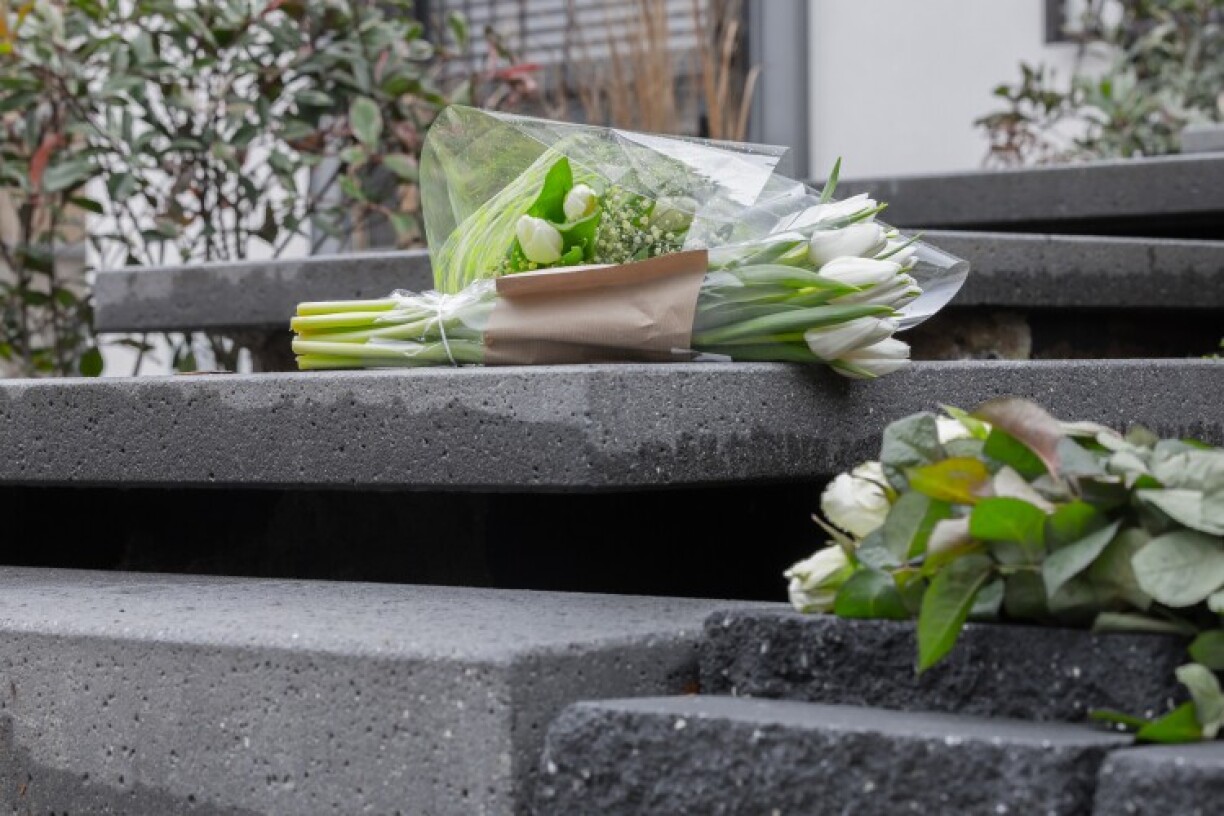
Threats, warnings, and everything in between – Foreign minister Abbas Araghchi said Iran’s forces have their "fingers on the trigger" to respond to any US strike and argued diplomacy through military threats cannot work, but he also posted that Iran welcomes a mutually beneficial nuclear deal on equal footing that ensures peaceful nuclear technology and guarantees no nuclear weapons. Trump said a "massive armada" of US naval vessels was heading to waters off Iran and ready to act if necessary, while Secretary of State Marco Rubio said Iran’s leadership was at its weakest point and German Chancellor Friedrich Merz said Iran’s "days are numbered" after this month’s deadly crackdown on protests. Iranian adviser Ali Shamkani warned that any US military action would be considered the start of war and threatened strikes targeting "the heart of Tel Aviv and all supporters of the aggressor".
On Thursday, an Iranian army spokesman stated Iran would deliver an immediate response in case of an attack by the US, saying military bases in the region or an aircraft carrier could be targets.
Middle East mediation – Turkey said it would tell Araghchi it is ready to contribute through dialogue and opposes military intervention because of regional and global risks, with Foreign Minister Hakan Fidan arguing issues should be tackled one-by-one, starting with the nuclear file. Turkish officials also said Ankara is assessing stronger security precautions along its Iran border if a US strike destabilises the country, including more troops and expanded surveillance, citing an existing wall, trenches, and towers.
IRGC terrorists – The European Union agreed to designate Iran's Revolutionary Guard (IRGC) as a terrorist organisation over the deadly crackdown on the recent mass protests that occurred in December and January. Alongside the IRGC condemnation came sanctions to 21 entities and officials, with EU leaders calling the move overdue and France and Italy backing the shift, while EU top diplomat Kaja Kallas said diplomatic channels were expected to remain open despite the listing.
A US-based rights group said Tuesday it had confirmed the deaths of over 6,000 people in the protests, adding it was investigating over 17,000 more potential deaths and warning a wave of arrests was ongoing.
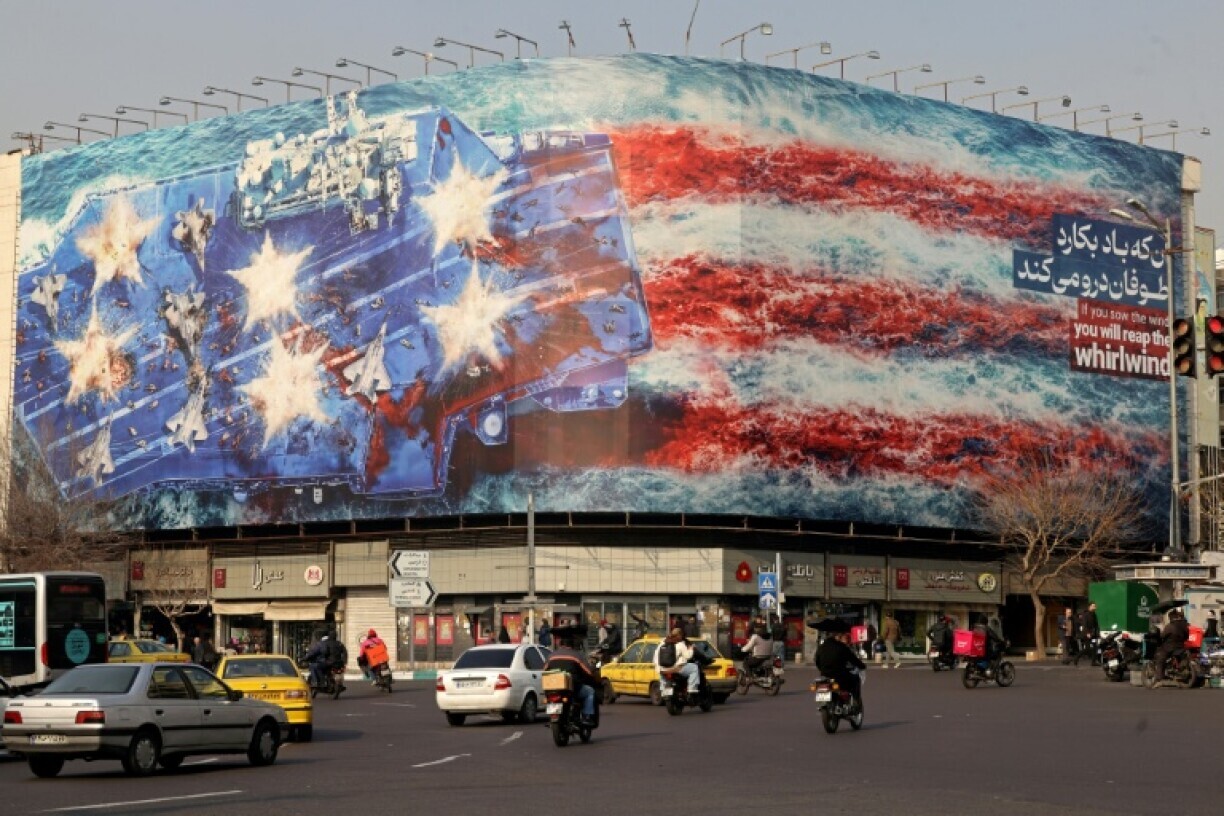
Minneapolis on fire – US border chief Tom Homan said federal agents will keep conducting targeted enforcement in the city of Minneapolis and are "not surrendering" the mission, but his staff is working on a drawdown plan for some agents and he urged residents to cool "hateful rhetoric" against officers. Homan said cooperation from Democratic-run state of Minnesota is key, including notifying ICE about release dates for incarcerated migrants deemed criminal public safety risks, arguing more agents operating in jails would mean fewer in the streets. He declined to comment on the latest shooting of 37-year-old Veterans Hospital nurse Alex Pretti, saying he would let the investigation play out, while the two agents involved were placed on leave and Homan said misconduct would be dealt with.
Political and legal fight – President Trump said he wanted to "de-escalate a little bit" but then attacked Mayor Jacob Frey for refusing to rally local police to enforce sweeps, as Congress Democrats threatened to block government funding absent reforms to rein in immigration agencies. A federal judge ruled to halt detention of refugees in Minnesota awaiting permanent resident status and ordered releases, while another judge criticised ICE chief Todd Lyons, saying he has likely violated more court orders in January 2026 than some agencies have violated in their existence. The White House initially justified Pretti’s killing by calling him a "domestic terrorist", but backlash led Trump to reshuffle Minneapolis leadership, replacing Border Patrol commander Greg Bovino with Tom Homan, as some local observers expressed scepticism about any real drawdown.
Olympics backlash and celebrity mobilisation – In Italy, outrage followed news that ICE’s Homeland Security Investigations unit would be deployed for the Milan-Cortina Games, but the US ambassador said it will be strictly advisory and intelligence-based, focused on threats including cybercrimes and national security, with all security operations under Italian authorities. The deployment prompted opposition calls for Italy to refuse the team and planned protests, as US Vice-President JD Vance and Secretary of State Marco Rubio are expected at the opening ceremony. In the US, celebrities including Pedro Pascal, Jamie Lee Curtis, Martha Stewart, Katy Perry, Kerry Washington, and Billie Eilish urged protests or political pressure, and Bruce Springsteen released Streets of Minneapolis, dedicating it to the city, "innocent immigrant neighbors", and the two Americans killed, Alex Pretti and Renee Good.
This Monday, in Luxembourg, more than 40 people gathered outside the United States Embassy to protest ICE, Trump, and show support for Minnesota.
Your Weekly Recap is published every Friday at noon.
Read earlier versions here.





