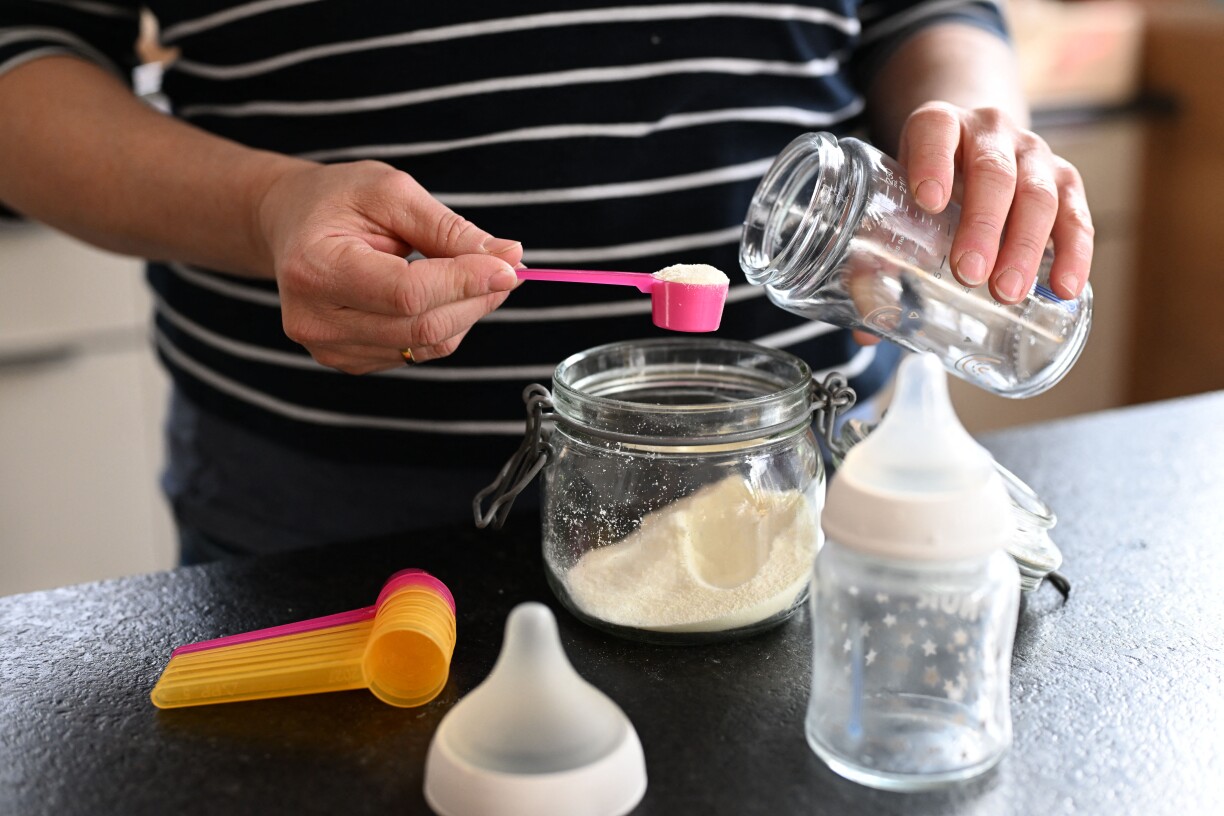
Parents often turn to infant formula from well-known brands, frequently marketed with Swiss or French credentials, believing it to be the safest option for their children. Several of these manufacturers are now at the centre of what could become an international food safety scandal.
After Nestlé detected contamination in infant milk powder at a production site in the Netherlands at the end of 2025, a large-scale recall was launched in early January. Baby formula products were withdrawn from sale in more than 60 countries, including Luxembourg.
Affected brands include Beba, NAN, and Alfamino. The company has described the operation as the largest recall in its history. The suspected cause is cereulide, a toxin produced by the bacterium Bacillus cereus, which may have been present in an additive used by several manufacturers.
The issue drew particular attention after two infants died in France. While a direct link to the contaminated formula has not yet been established, investigations are ongoing. Cases of infants falling ill have also been reported in the Netherlands and Belgium.
In Luxembourg, one suspected case of cereulide intoxication in an infant has been identified so far. Whether this case is directly linked to the recalled milk products is still under investigation. The child has since recovered.
Dr Isabel De La Fuente, a paediatrician at the Luxembourg Hospital Centre (CHL), stressed that there has been no increase in unexplained cases of severe vomiting among children in the country. She said that, at present, there is no indication of a broader trend or surge in such symptoms.
According to her, only one case seen at the children's clinic could potentially be linked to intoxication, and that case is currently under investigation. She added that health authorities, including the Luxembourg Veterinary and Food Administration (ALVA), have been informed and that the milk involved is being analysed, but that for now the situation remains limited to a single case.
More details have since emerged about the possible source of the problem. Several manufacturers, including Danone and Lactalis, have announced their own recalls. What the cases have in common is the use of the same additive, supplied by the Chinese company Cabio Biotech.
The additive is used to bring powdered infant milk closer to the composition of breast milk. If contaminated, however, it can cause symptoms in vulnerable groups, particularly infants.
Symptoms – most notably intense vomiting – typically appear between 30 minutes and six hours after consumption. Patrick Hau, ALVA deputy director, says the overall risk is limited, but caution remains necessary.
He said the number of cases suggests the risk is relatively low, as a higher exposure would have resulted in far more reports. However, he stressed that the risk cannot be ruled out entirely, which is why all affected products have been removed from the market to prevent any further exposure.
According to ALVA, infant formula in Luxembourg is subject to strict controls. Josiane Dahm, ALVA food chain inspector, explained that routine testing is carried out regularly, including checks for Bacillus cereus. She emphasised that around 1,400 analyses are conducted each year, and that no unusual findings have been detected so far.
If an issue arises, supply chains and ingredients can be traced quickly. Claude Scholtes, head of the Alert and Cooperation Systems Department at ALVA, explained that when a problem is identified abroad, for example by French authorities, the information is shared through the European rapid alert system, allowing coordinated action across the EU and ensuring that appropriate measures are taken on the market.
Details of the affected products and specific batches are available at all times on LU-Alert, where parents are encouraged to verify whether the formula they use is included in the recall.





