Here are five things you should know at the end of this week:
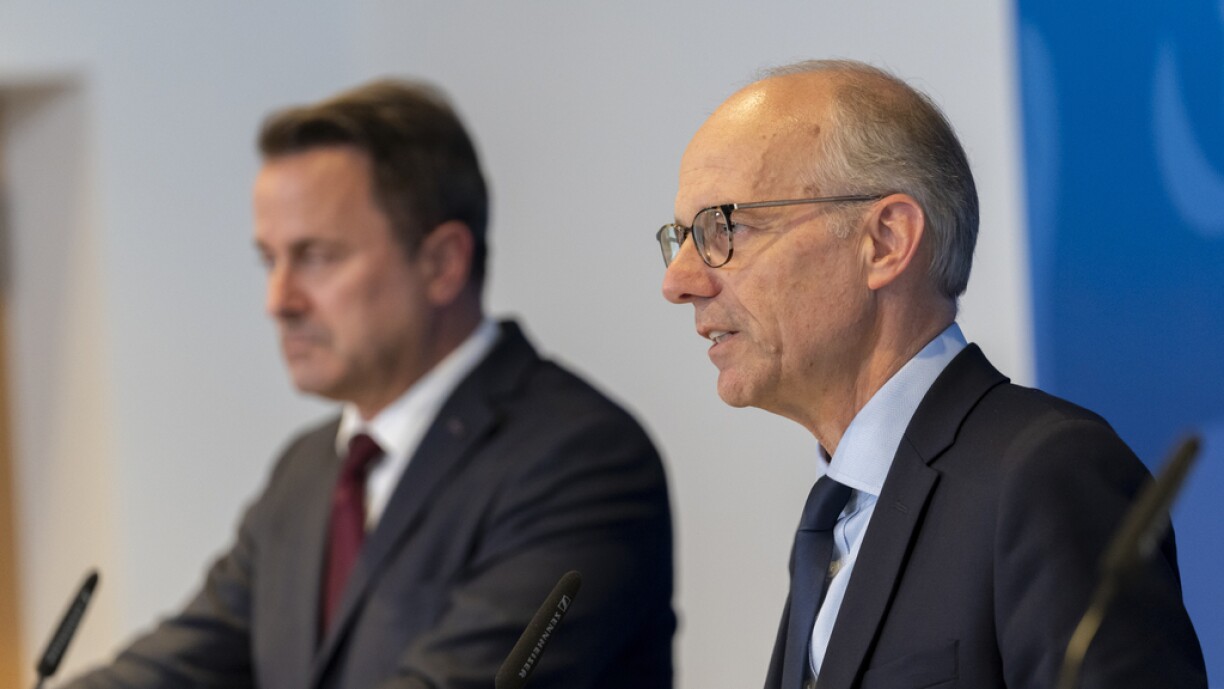
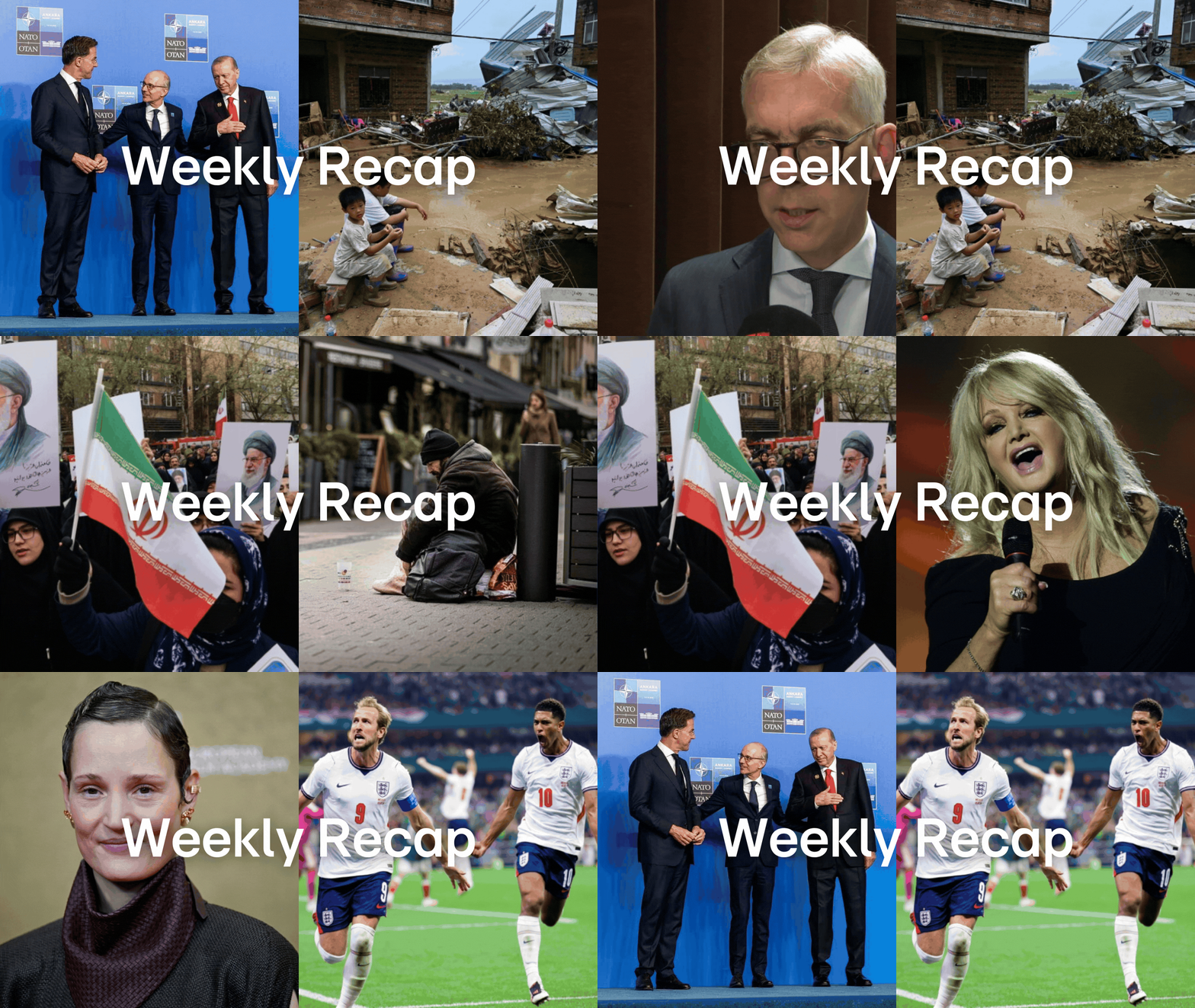
Bettel on top – According to the latest Politmonitor, Deputy PM and Foreign Minister Xavier Bettel is once again comes out on top as the most popular politician rankings, with roughly 80% approval and 98% name recognition. Inspite of the success of the tripartite agreement, Prime Minister Luc Frieden remains in 12th place at 52.6%. Within the the Christian Social People's Party (CSV), Martine Hansen leads internally at 60.6% and Martine Deprez gained 5.2 points off the back of high-profile dossiers, while Léon Gloden slipped from 15th to 21st and Chamber President Claude Wiseler suffered the survey's biggest drop, losing seven points.
Opposition slides – Almost all Luxembourg Socialist Workers' Party (LSAP) politicians slipped slightly, with Paulette Lenert still the party's most popular figure and Dan Biancalana losing four points after resigning as party president. The ADR's Tom Weidig recorded the lowest score of any politician at just 9.4%, The Greens (déi Gréng) MPs Sam Tanson, Meris Šehović, and Joëlle Welfring each lost between 2.5 and 3.5 points. The coalition's overall standing improved, with 91% of CSV voters satisfied but Democratic Party (DP) voter support falling to 69%, while two thirds of LSAP voters and 69% of Alternative Democratic Reform Party (ADR) voters judge the government's work negatively.
Housing woes – The survey's findings show that 70% of respondents worry about access to affordable housing, an all-time high and the top concern since at least June 2021, followed by the global situation, traffic, climate change, and the rise of right-wing extremism. In contrast, subjects such as immigration and the economic situation were cited as major concerns by less than one third of those surveyed. As always, detailed results can be found at Alia.lu.
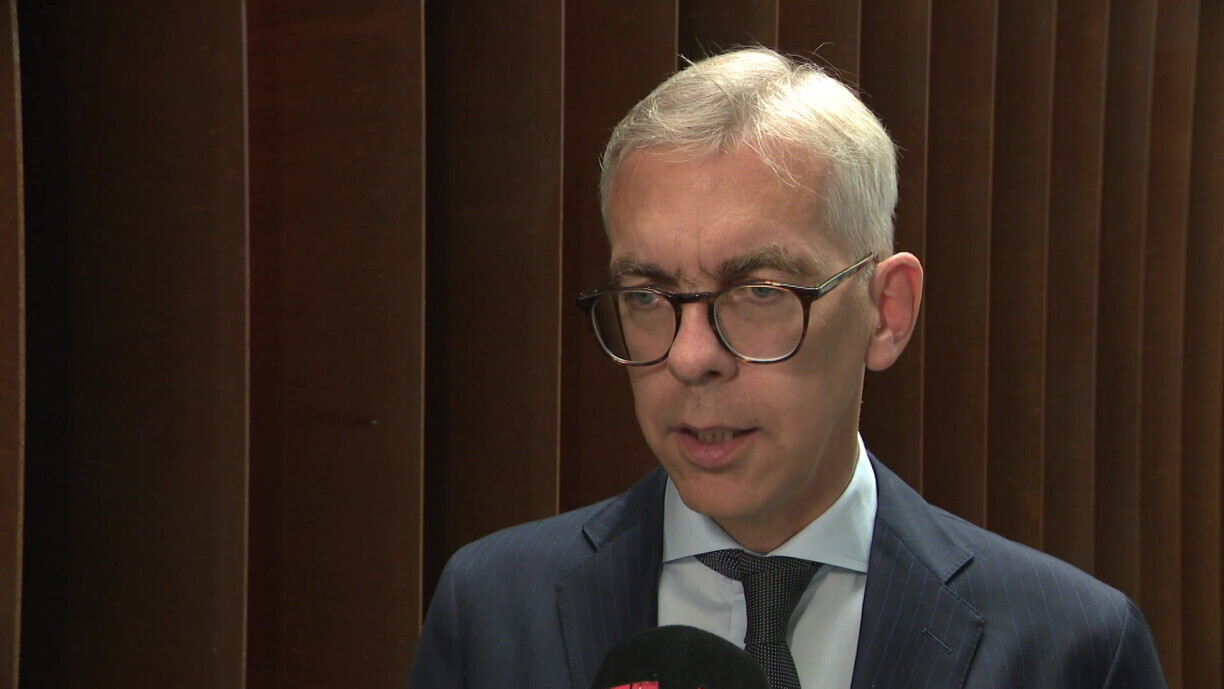
Five dismissals – Home Affairs Minister Léon Gloden dismissed three employees in April 2025 following a search of the department's premises, one of whom was remanded in custody, and dismissed two more on Tuesday after fresh searches at the department, the Ministry of Education, companies, and private residences. The minister said he first learned of the case in April 2025, though the department itself had reportedly filed initial police reports as early as January 2023. Authorities estimate roughly 200 third-country nationals may have entered Luxembourg illegally using forged documents and gone on to claim social benefits.
Systemic failures – The case has raised serious questions about how a scheme built on fake diplomas, fictitious employment contracts, and visas could operate for years. Pirate MP Sven Clement pointed out that qualified immigration passes through several checkpoints: diploma recognition at the Ministry of Education, file review at the General Department of Immigration, and embassy checks under the Ministry of Foreign Affairs. In his view, three ministries at three different levels either failed in their oversight role or, as in a Swiss cheese model, the holes lined up in a particularly unfortunate way.
Information sharing hurdles – The public prosecutor's office criticised the restricted exchange of information between the judiciary and administrations under the current legal framework. A new law in force since May covers only certain offences, excluding corruption and money laundering. Politicians have so far declined to comment on the specific allegations, saying the investigation's results must come first.

With great power... – The new legislation allows police to issue a temporary area ban ("interdiction temporaire de lieu") valid for 15 days against a person exhibiting inappropriate behaviour in public, The bill expands existing eviction powers introduced in 2022, which the government considered insufficient, and includes exceptions highlighted by MP Luc Emering (DP), such as when the person concerned resides within the defined radius or has an important medical appointment in the area.
Imperfect fix – Rapporteur Laurent Mosar (CSV) notes that the law is not aimed at combating serious crime and acknowledged it is no silver bullet, but argued it improves on existing regulations – words echoed by the Mayor of Luxembourg City Lydie Polfer. As for Home Affairs Minister Léon Gloden, he believes the new powers respond to demands from police officers, police unions, shopkeepers, and, in his words, "the people out there".
Ineffective solution – However, the controversial bill did not pass without some uproar. Strong criticism came from the left-wing opposition, with MP Dan Biancalana (LSAP) arguing the powers would not solve problems but merely move them elsewhere. Using the example of an inebriated person causing a disturbance, he questioned whether they would simply be ordered a few streets away only to repeat the same behaviour, and argued that social problems were being reframed as security problems.

Bark worse than bite – This week's summit in Ankara got off to a rocky start, with US President Donald Trump attacking NATO allies for failing to back his campaign against Iran, threatening to cut trade with Spain, and repeating his claim to Denmark's territory of Greenland. Yet behind closed doors it was a different story: Trump reassured leaders that the US wants to remain in the alliance, and described the summit as "tremendously successful", praising the "incredible" unity in the room.
Deepening commitments – On the Luxembourg front, Defence Minister Yuriko Backes had confirmed that the government entered into or deepened three additional partnerships at the defence industry forum ahead of the summit. At the end of the summit, Luxembourg restated its commitment to collective defence and is positioning itself around the planned Defence, Security, and Resilience Bank as mentioned in a social media post by PM Frieden and Minister Backes.
'Credible deterrence' – The final declaration saw heads of state and government renew their firm commitment to Article 5, the principle that an attack on one member is an attack on all. Support for Ukraine was renewed, with Europe and Canada pledging €70 billion a year in military aid for both 2026 and 2027, while Trump told President Zelensky the US would grant Kyiv a licence to manufacture Patriot missiles. On Iran, only a minimum common position emerged with NATO insisting Iran must not acquire nuclear weapons.
In adjacent news, leaders were astonished to discover an unusual parting gift from Turkish President Recep Tayyip Erdoğan who offered each leader a revolver with six bullets. Several leaders said they had only discovered the contents of President Recep Tayyip Erdogan's gift package much later, or had not even seen it before it was seized by their security services.

State funeral – Khamenei's flag-covered coffin was carried into the shrine of Imam Reza, Iran's most revered place of worship, in his home city of Mashhad, capping six days of funeral ceremonies. Senior figures including parliament speaker and chief US negotiator Mohammad Bagher Ghalibaf, chief justice Gholamhossein Mohseni Ejei, and eldest son Mostafa Khamenei attended, but there was no sign of successor Mojtaba Khamenei, who has communicated only through written statements since his appointment and is said to have been wounded in the February strikes.
Tit-for-tat – The burial followed a second day of exchanges between Washington and Tehran, with Iranian officials saying US strikes killed 17 people. The escalation began after the Iranian military struck at least three commercial ships in recent days, leading Trump to declare the 17 June ceasefire "over" and vow to hit Iran "hard" during this week's NATO summit. However, Trump has stated that he was not seeking a long war as oil prices climbed once again. Israeli Defence Minister Israel Katz meanwhile warned Israel was prepared to attack Iran a "third time" and "with even greater force" if needed.
Playing with fire – Experts believe Iran is engaging in a paradoxical, high-risk calculation and that strikes inviting US retaliation could actually strengthen Iran's long-term deterrence. The February war demonstrated the value of the Strait of Hormuz, conduit for one-fifth of the world's oil. Tehran now wants recognition of its de facto control over the strait, which has become the leverage that has replaced uranium enrichment, according to the Middle East Institute's Alex Vatanka. Betting it "can suffer more" than the US and the Gulf, Iran sees "calibrated, limited escalation" as a way to restore deterrence without tipping into all-out war.
Your Weekly Recap is published every Friday at noon.
Read earlier versions here.





