Last year’s summit in The Hague marked a turning point for NATO: after years of pressure from the United States, including threats and criticism by President Donald Trump, member states pledged to dramatically increase their defence spending.
While the United States urged allies to raise their defence budgets from 2% to 5% of GDP, Luxembourg’s commitments are calculated against gross national income (GNI).
The government has pledged to allocate 1.5% of GNI to resilience and 3.5% to military capabilities by 2035. The current plan targets 2.3% by 2029, which equates to €1.66 billion in defence spending.
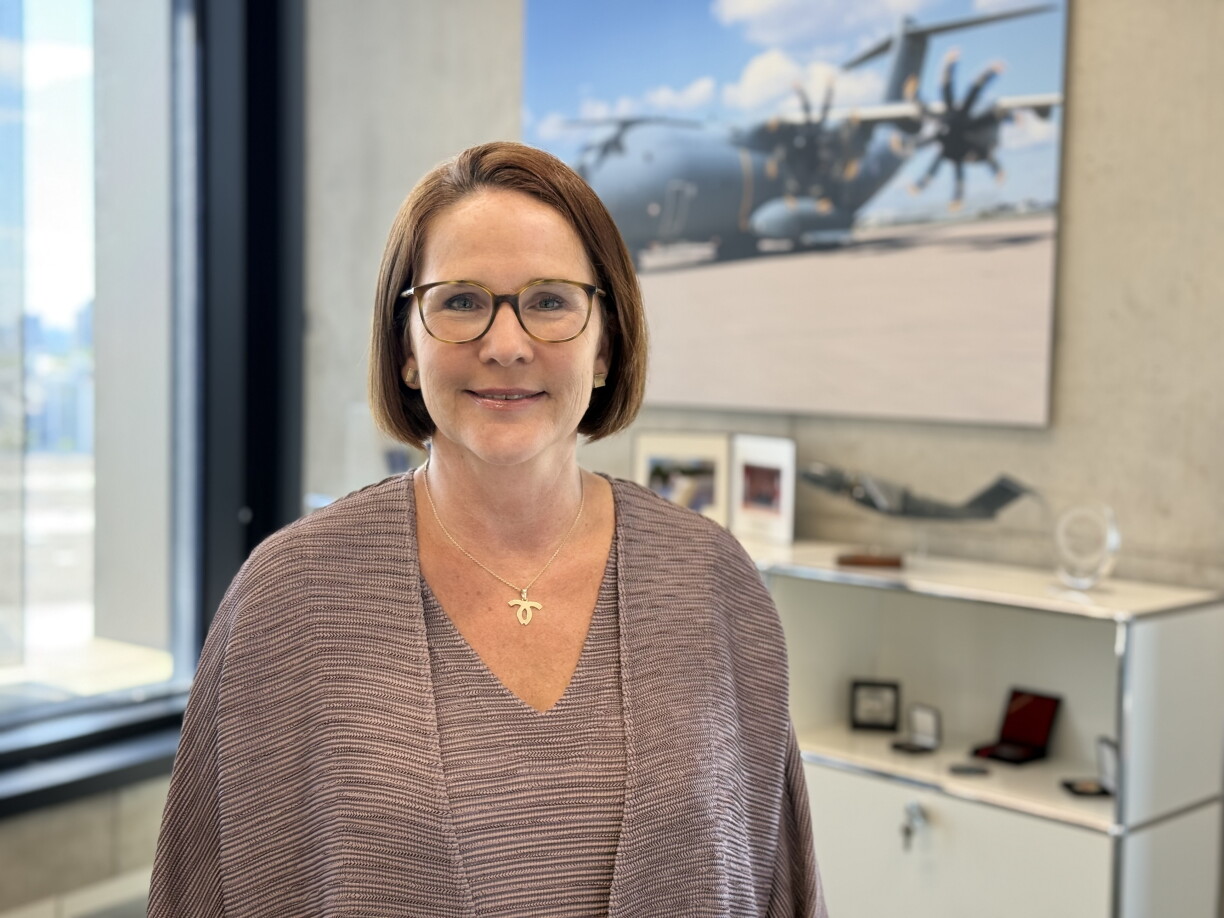
In the run-up to the NATO summit, RTL spoke with Minister of Defence Yuriko Backes about Luxembourg’s approach to meeting these ambitious targets.
While the overall goal for 2035 remains in place, Minister Backes emphasised that the government is prioritising realistic and credible initial steps.
“The target stands. We have made our commitment. What matters now is that our first steps are credible and realistic”, she said, noting that NATO will conduct a midterm review in 2029, by which time new alliance targets may be set.
Luxembourg’s next parliamentary elections are also scheduled for 2028, adding another variable to the timeline.
She stressed that the government would not pre-empt future developments and the need for careful, paced progress.
Industry also needs time to catch up, and one "must build alliances and partnerships to ensure that our investments are well organised and well prepared". This process cannot be rushed; one needs to give it the necessary time”, Backes explained.
Minister Backes also highlighted the importance of ensuring economic returns from defence investments; something, she said, that cannot be achieved overnight.
Despite repeated statements from President Donald Trump questioning NATO’s value and expressing frustration with allied contributions, particularly regarding support in conflicts such as the war against Iran, Backes does not see the transatlantic relationship as being in jeopardy.
Even as the United States signals an intention to scale back NATO investment and withdraw troops and missiles from Europe, she said that it is clear that the Americans are gradually pulling back from Europe. They have other priorities and Europe has been preparing for this new reality for some time. "Europe must stand on its own feet; we cannot rely solely on the Americans”.
However, she underlined that the bond within the NATO alliance, including the ties with North America and Canada, will remain crucial. Both the United States and Europe have a strong interest in working together, though Europe must also strive to build greater independence.
Backes pointed out that developing a strong defence industry within Europe is essential. “We need to ensure that future investments, where possible, are made here in Europe so that we become less dependent on the Americans.”
Beyond transatlantic relations and support for Ukraine, the Ankara summit will focus on how member states are contributing to NATO military capabilities as they ramp up defence spending.
Luxembourg’s own “homework” includes investing in missile and air defence systems, with negotiations currently underway, according to Backes. The government expects to present concrete proposals in the coming months, which will then be submitted to parliament.
Looking further ahead, by 2030, Luxembourg and Belgium plan to establish a binational battalion, which will require the recruitment of 300 personnel.
To fill roles including higher-level and medical positions for both the battalion and a deployable military hospital, Luxembourg may adapt selection criteria to attract candidates from other EU countries. “In Luxembourg, we are relatively limited in terms of medical staff, so we want to open these positions to EU citizens”, Backes explained.
By 2055, €2.6 billion has been earmarked for the purchase of vehicles for this battalion. Infrastructure will be built both in Arlon and Sanem to house and maintain these vehicles.
In an era where warfare increasingly relies on drones, Luxembourg also plans to invest in more heavily-armed drone systems.
A new Defence, Security, and Resilience (DSR) Bank, initiated by Canada, Luxembourg, and other partner countries, is set to be established.
The aim, according to Backes, is to provide small and medium-sized enterprises with better access to financing. The DSR Bank will complement the European Investment Bank, which cannot cover all military capability needs.
“Collaboration among companies is crucial, as is achieving interoperability across Europe’s defence industry", she said, and added that Luxembourg is not yet where it should be on this front, but such a bank could "help us get there”.
The DSR Bank’s main seat will be in Canada, but Luxembourg will host its European headquarters.





