
Here are five things you should know at the end of this week:


Luxembourg's new government has introduced a tax cut effective 1 January 2024, adjusting the tax scale by four brackets, resulting in increased take-home pay for various tax classes.
Four-bracket adjustment – Luxembourg's government plans to implement a significant tax cut starting 1 January 2024 by adjusting the tax scale by a total of four brackets. This change aims to increase take-home pay for residents, addressing the issue of 'cold progression' and aligning tax rates more closely with inflation levels.
Concrete examples – The Ministry of Finance has provided examples to illustrate the positive impact of the tax changes on various groups, including families, single parents, and individual earners. These examples show that the new tax scale will lead to an increase in net income for different taxpayer categories, thereby providing financial relief.
Balancing act – While the tax adjustment is beneficial for taxpayers, it will result in an estimated loss of €480 million in revenue for the Luxembourg government. Despite this, the government is committed to further aligning the tax scale with inflation in the coming years, continuing efforts to balance fiscal responsibility with taxpayer relief.

Luxembourg's Education Minister Claude Meisch outlined a gradual approach to educational reforms, including the addition of educators in nursery schools and pilot projects for new educational initiatives.
The government plans to open three new international schools and enhance language flexibility in secondary education, addressing multilingualism challenges and discussing language teaching methods.
Meisch emphasised his role as a coordinator in education policy, discussed not generalising the abolition of sections in classical secondary education, and proposed a one-year Vocational Aptitude Diploma to improve access to vocational training.
Gradual approach – Minister Meisch's presentation on Luxembourg's government programme for education highlighted a step-by-step approach to introducing changes within the education system. This involves a gradual implementation of educators alongside teachers in Cycle 1 (early years education), mirroring the existing pre-school setup.
However, due to practical constraints, it is not feasible to add a second person to all 850 Cycle 1 classes immediately. The programme also includes scientific monitoring and testing of proposed projects through pilot projects, similar to the ongoing methodology for French literacy classes, which are expected to be generalised by 2026.
Linguistic flexibility – In response to the multilingual nature of Luxembourg's society, the government is planning to open three new international schools in Schifflange, Dudelange, and Luxembourg City.
Furthermore, there is an initiative to increase language flexibility in secondary schools, acknowledging the challenges posed by current language requirements. Meisch proposes a more inclusive discussion on language teaching methods and suggests offering subjects in both German and French, advocating for an open dialogue on this topic.
Vocational training – Meisch mentioned that the current legislative period would not see a general abolition of sections in classical secondary education. In a significant move to enhance vocational training accessibility, the government proposes introducing a one-year Vocational Aptitude Diploma (DAP) after secondary school, aiming to make vocational paths more appealing and accessible to students.
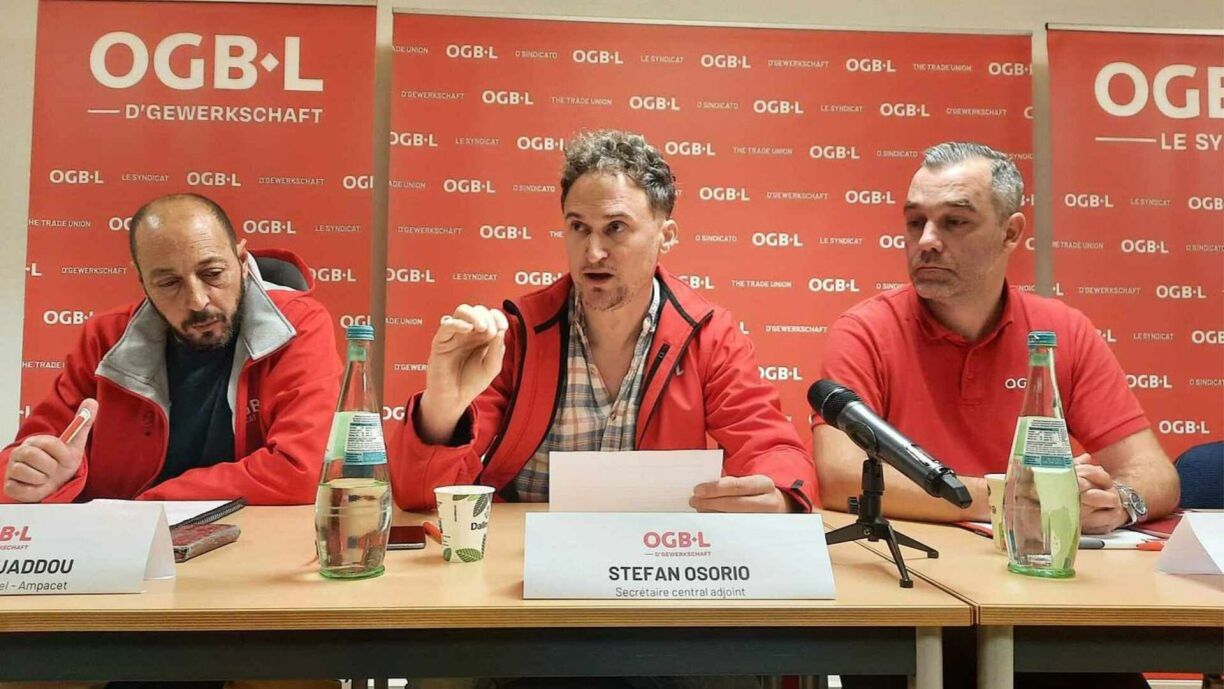
The OGBL revealed that Ampacet's management attempted to forcibly remove striking workers at their Luxembourg site in Dudelange, escalating an industrial dispute over demands including a pay raise and additional holidays.
Ampacet's lawyers sought a court order to evict strikers, while management tried to replace them with interim workers, actions deemed criminal and an attack on the constitutional right to strike by the OGBL.
The OGBL called for a large-scale mobilisation in solidarity with the strikers, as Ampacet unilaterally terminated the collective agreement, leading to a drop in employees' wages to the social minimum and challenging Luxembourg's social model.
Workers' strike – The ongoing industrial dispute at Ampacet's Dudelange site in Luxembourg reached a new peak when the company's management tried to forcibly remove striking workers. This action was a direct response to the workers' strike that commenced on Monday, primarily focused on demands for a 2.5% pay raise and three extra days of holiday.
The strike, which has disrupted the production of plastic granules, represents a significant standoff between the employees and the management, with the latter resorting to legal measures in an attempt to quell the protest.
Violation of constitutional rights – Ampacet's lawyers filed for an interim court order to evict the strikers from the company premises. Additionally, management attempted to replace the striking workers with interim employees, a move that the Independent Luxembourg Trade Union Confederation (OGBL) deemed as a criminal offense and a severe violation of the constitutional right to strike.
Swift response – The OGBL called for a large-scale mobilisation at 3pm on Thursday, urging members and supporters to join the picket line in a show of solidarity with the striking workers. This call to action came in the wake of Ampacet unilaterally terminating the collective agreement, a move that effectively reduced the employees' wages to the social minimum wage.
This drastic step by Ampacet not only affects the workers directly involved, but also calls into question the broader social model of Luxembourg, challenging established norms and practices in labour relations and worker rights within the country.
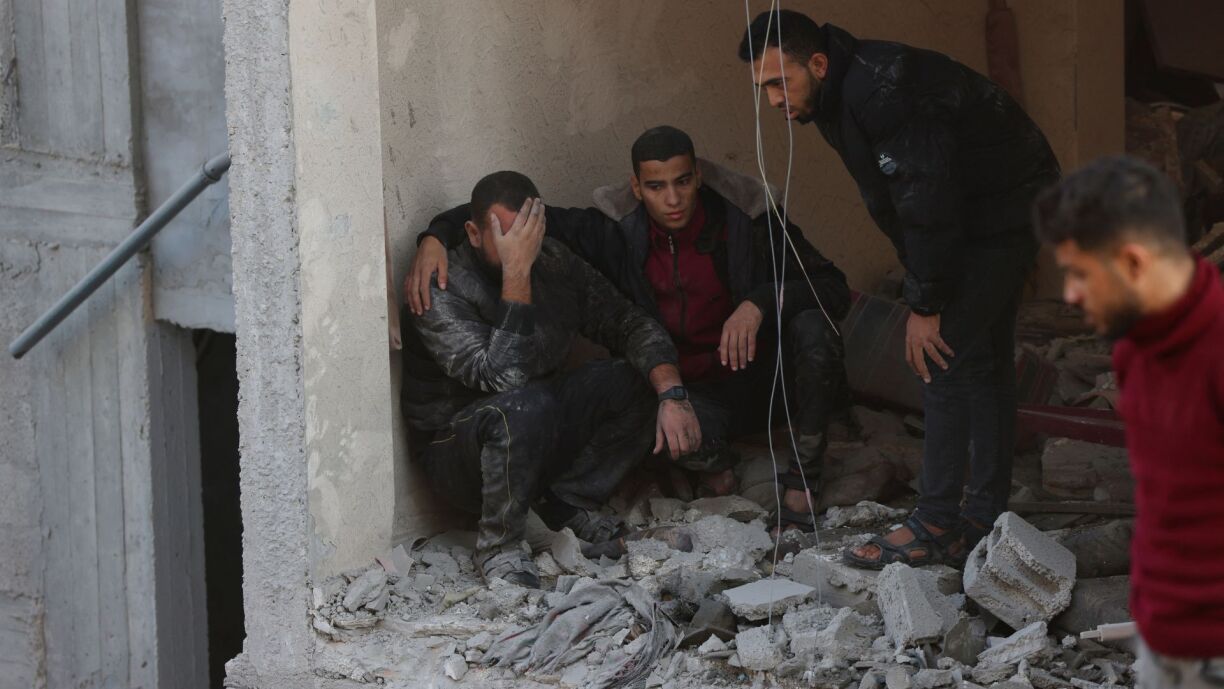
The ceasefire between Israel and Hamas in Gaza ended on Friday with resumed airstrikes and artillery fire from Israel and rocket fire from Gaza.
Despite ongoing peace talks mediated by Qatar, Egypt, and the US, the truce ended without extension, resulting in renewed fighting and civilian casualties on both sides.
US Secretary of State Antony Blinken and other world leaders had called for an extension of the ceasefire, emphasising the need to protect civilians and address the humanitarian crisis in Gaza.
Airstrikes and artillery – The ceasefire that had temporarily halted hostilities in the Gaza Strip collapsed, leading to a resumption of violence between Israel and Hamas as early as Friday. This resurgence of conflict was marked by Israeli airstrikes and artillery fire, as well as rocket launches from Gaza into Israeli territory.
The immediate impact of this renewed fighting was tragically underscored by civilian casualties, including children. The rapid return to armed conflict following the ceasefire's expiration highlights the fragile nature of the peace process in the region and the difficulty in sustaining long-term truces.
Efforts in vain – The efforts to extend the ceasefire, which were being mediated by Qatar, Egypt, and the United States, ultimately failed, resulting in the re-escalation of hostilities.
The international community, including prominent figures like US Secretary of State Antony Blinken, had been vocal in advocating for the extension of the ceasefire. These calls were driven by a desire to mitigate the humanitarian crisis in Gaza and ensure the protection of civilians caught in the crossfire.
Despite these efforts, the ceasefire's collapse marked a significant diplomatic disappointment and highlighted the urgent need for a more effective international response to address the longstanding conflict.
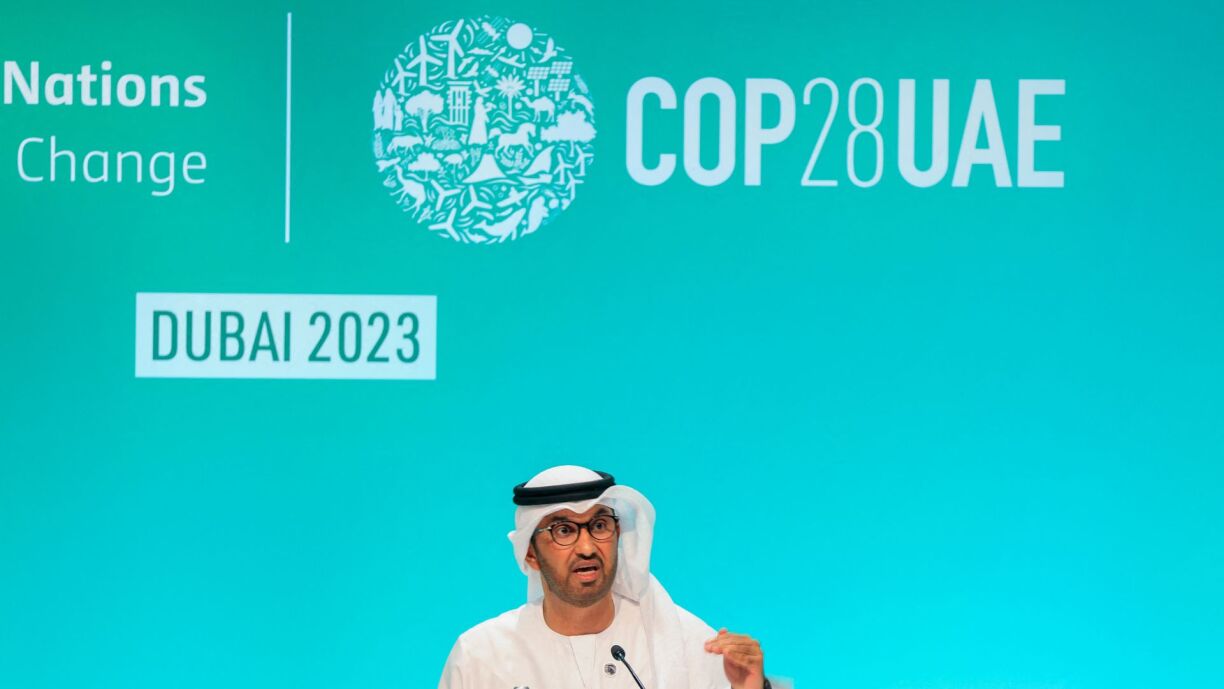
Nearly 200 nations agreed to establish a "loss and damage" fund for climate-vulnerable countries at the COP28 talks in the UAE, marking a significant achievement on the first day of the conference.
The COP28 president, Sultan Al Jaber, emphasised the inclusion of fossil fuels in climate agreements, amidst concerns over his dual role as head of the UAE's national oil company.
The conference, which is the largest of its kind, will address key issues such as climate finance, renewable energy goals, and the urgent need to reduce emissions, with over 140 heads of state and government participating.
Loss and Damage fund – On the first day of the COP28 talks, a groundbreaking decision was made to set up a fund aimed at supporting nations that are most affected by climate change. This fund is seen as a victory for climate-vulnerable countries that have long sought financial support to cope with the devastating effects of climate change.
However, there are concerns about the sufficiency of the fund, as the initial contributions announced by the UAE and the European Union fall short of the $100 billion that developing nations argue is necessary.
Conflict of interest – Sultan Al Jaber, serving as the COP28 president and also the head of the UAE's national oil company, has been a focal point of attention and controversy. His dual role has raised questions about a potential conflict of interest, especially in light of his emphasis on including fossil fuels in the final climate agreements.
Jaber's remarks praising oil companies for their participation and advocating for their role in the energy transition have sparked debate and underscored the complex dynamics at play in global climate negotiations.
Crucial timing – The COP28 conference is the largest of its kind, with an unprecedented number of participants, including over 140 heads of state and government. The conference aims to tackle a range of critical issues, such as fulfilling commitments on climate finance, setting ambitious targets for renewable energy, and addressing the pressing need for significant emissions reductions. The conference occurs at a crucial time, with the UN declaring 2023 on track to become the hottest year in human history, highlighting the urgency of the climate crisis.
However, finding common ground among the diverse interests and circumstances of participating nations poses a significant challenge, especially in the context of unanimous decision-making required at COP.
Business & Tech – Charlie Munger, the longtime friend and business partner of famed US investor Warren Buffett, died on Tuesday at the age of 99, his employer has confirmed.
Science & Environment – The UAE planned to exploit meetings with foreign governments, arranged due to its COP28 hosting role, to strike fossil fuel deals - according to leaked documents obtained by the BBC.https://today.rtl.lu/news/world/a/2066108.html
Entertainment – Shane MacGowan, songwriter and lead singer of Celtic folk-punk band The Pogues, died early on Thursday at the age of 65 after a long illness, his widow announced, prompting a flood of tributes.
Not-so-false alarm – Authorities on Thursday evening evacuated Luxembourg City's central station in the Gare after the discovery of a suspicious package containing military weapons. A major police operation and warning for the public to avoid the vicinity soon followed. A suspect has been apprehended.
'tis the season – Respiratory infections such as Covid, influenza, and RSV continued to increase over the past week, according to the latest report published by the Ministry of Health.https://today.rtl.lu/news/world/a/2066108.html
Construction crisis – The construction sector has been witnessing a prolonged decline, reaching a disconcerting juncture in November 2023 not seen since the financial crisis of 2009.

Your Weekly Recap is published every Friday at noon. Read earlier versions.





