Here are five things you should know at the end of this week:
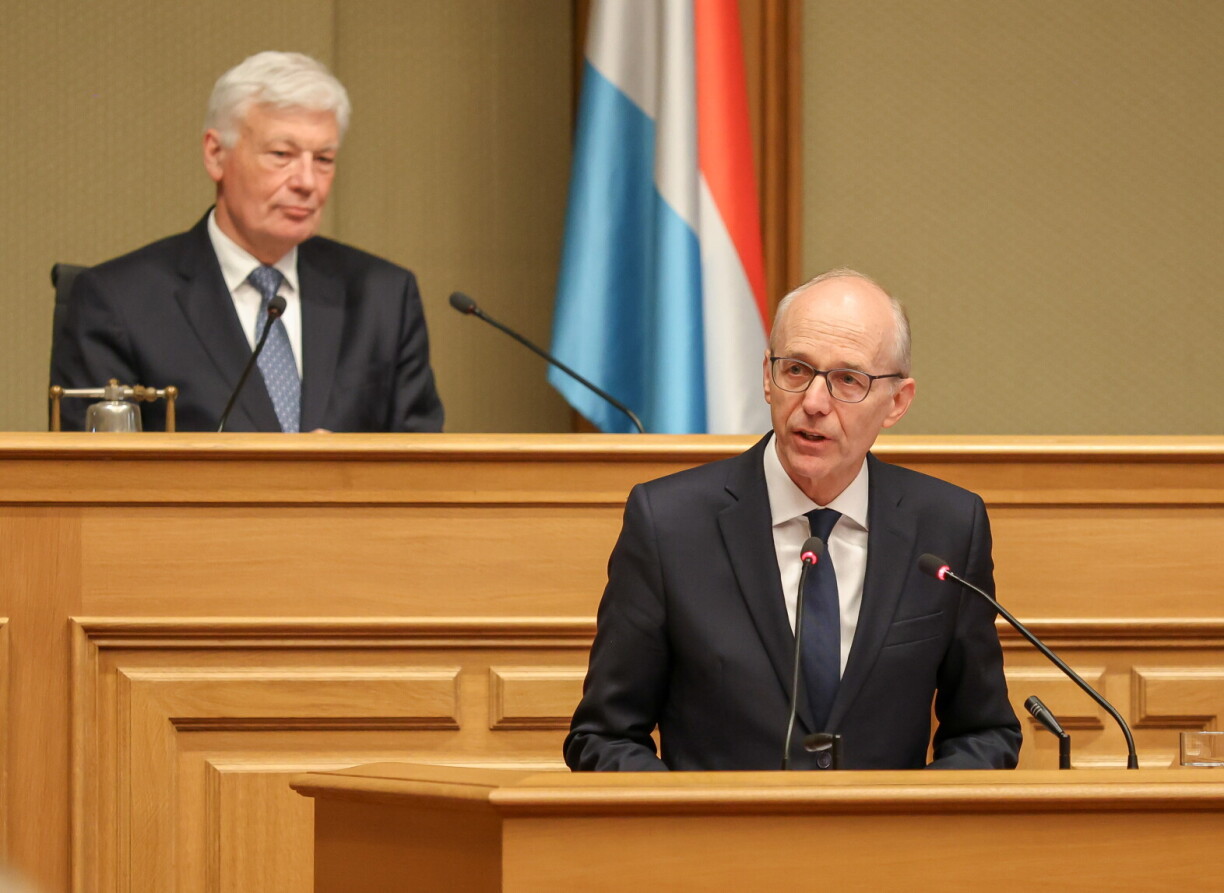
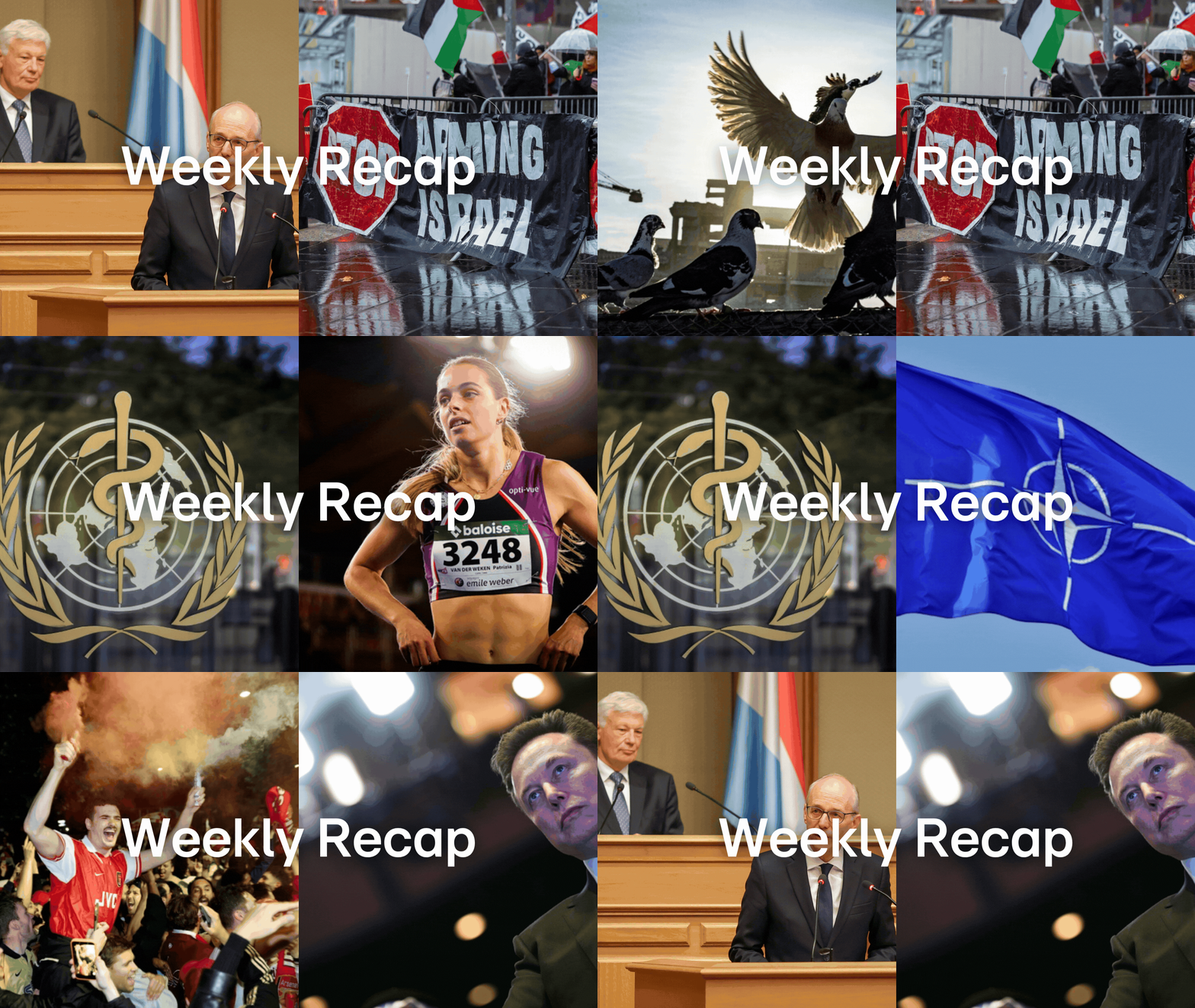
'Together. For Everyone' – Against the backdrop of the energy crisis triggered by the US-Israeli war in Iran, Prime Minister Luc Frieden delivered a sobering State of the Nation speech centred on solidarity and collective responsibility. With the highly anticipated tripartite talks on the horizon, Frieden sent a clear message to the social partners: "If we all see ourselves as part of the same whole, these different realities do not divide us but bring us together."
The speech outlined a range of measures such as the social reform introducing a cost-of-living supplement from 2027, which will merge five existing benefits, including the cost-of-living allowance, the energy allowance, and financial assistance for retirees into a single, automatically adjusted payment. New targeted aid to combat child poverty was also announced, with support of up to €3,000 per year for low-income families.
Realistic or lackluster? – The coalition parties Christian Social People's Party (CSV) and Democratic Party (DP) rallied behind the PM, defending his speech as realistic and calm. CSV's Laurent Zeimet praised the speech for providing an honest assessment of Luxembourg's situation and clearly acknowledging weak growth, international instability, and the fact that the country's economic engine had slowed. Similarly, DP's Gilles Baum defended the address, describing it as calm, thoughtful, and delivered with a steady hand. Opposition parties, however, criticised it as vague, failing to reflect the daily struggles of citizens, and not responding to the country's most pressing challenges such as housing, inequality, and public finances.
The Luxembourg Socialist Workers' Party's (LSAP) Taina Bofferding described the speech as empty and technocratic, offering little on the "mother of all crises", housing. She calls for stronger taxation on property speculation and fairer rent controls. Sam Tanson of the Greens (déi gréng) hoped the speech would have addressed the state of Luxembourg's public finances, given that state debt is now close to 30% of GDP and the budget still in deficit. The Left MP David Wagner argued that Luxembourg's wealth is too concentrated in too few hands, pointing to land ownership as a prime example of a system that is pricing workers and young people out, in addition to the minimum wage. ADR's Keup panned the speech as a mere list of individual measures. MP Sven Clement of the Pirate Party (Piratepartei) accused the government of avoiding the word "crisis" despite the seriousness of the situation.
Tripartite coming up – The upcoming tripartite talks scheduled to kick off on 2 June are widely seen as the next major test for the government’s ability to deliver solutions. Frieden's State of the Nation address revealed little that was not already known, but it confirmed that the economic fallout from the blockade of the Strait of Hormuz would be discussed with social partners, given the growing risk of inflation driven by energy prices. Frieden also made clear, however, that broader grievances such as housing and the minimum wage, while important, fall outside the scope of crisis measures and will need to be addressed in separate forums.
Scaled-back budget – On Wednesday, Defence Minister Yuriko Backes revealed Luxembourg's defence spending trajectory for the next three years, with increases of just 0.1% of Gross National Income (GNI) per year. This would fall short of what would be needed to meet the country's 2035 NATO commitment of 5% GNI. If the new trajectory is maintained, Luxembourg will reach 3.5% of GNI in defence spending by 2041, not 2035 as promised. Notably, unlike the rest of the NATO member countries, Luxembourg has a special agreement with the alliance that allows the Grand Duchy to measure its defence spending by GNI, rather than Gross Domestic Product (GDP).
Mixed reactions – The government’s approach has received a mixed response. While some opposition MPs such as Déi Gréng (The Greens) Sam Tanson welcomed the more measured pace, she still called out the government backtracking on its promises. The Alternative Democratic Reform Party's (ADR) Tom Weidig appears concerned about whether this puts Luxembourg at risk of appearing non-committal and alienating itself from NATO members. Critics such as the Luxembourg Socialist Workers' Party's (LSAP) Liz Braz also questioned whether the government is relying on potential geopolitical changes, particularly across the Atlantic, in the White House, to influence future NATO requirements.
Looking ahead – The government has not committed to a spending path beyond 2029, citing both NATO’s planned midterm review and Luxembourg’s 2028 legislative elections. The Chamber's Defence Committee President Marc Hansen explained that the government's reasoning is to leave room for a future administration to adjust defence policy in response to any strategic developments. According to Defence Minister Yuriko Backes, Luxembourg's defence funding will focus on both military capabilities and defence-related industries, including Luxembourg's participation in the future Belgian-Luxembourgish combat reconnaissance battalion and the development of integrated air and missile defence capabilities.
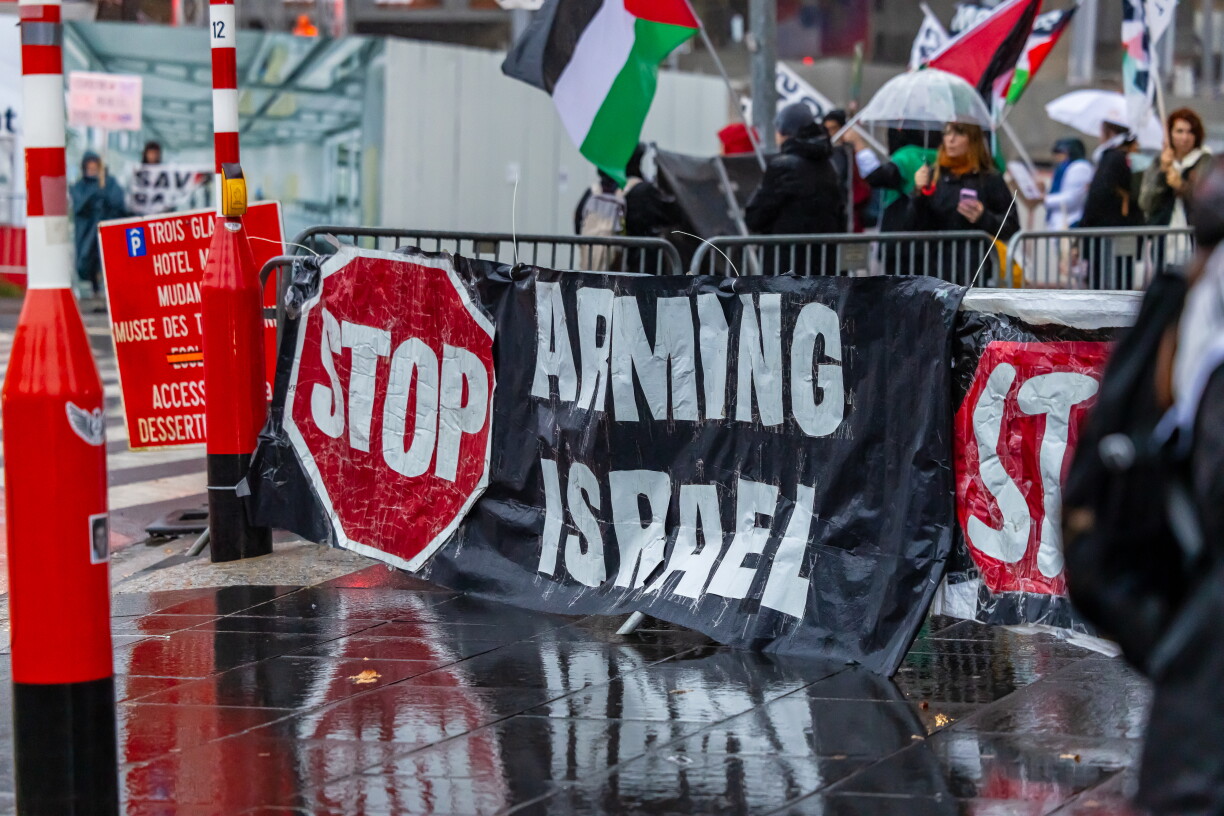
Troubling ties – The conference, organised by Amnesty Luxembourg and the Committee for a Just Peace in the Middle East (CGJPO), focused on whether Luxembourg’s financial centre might be indirectly funding violations of international law through investments in Israeli bonds and other financial connections. Panelists included UN Special Rapporteur Francesca Albanese, Managing Director of the Alliance for Justice between Israelis and Palestinians Dr Shir Hever, and Irish Senator Alice-Mary Higgins, whose report had called for the suspension of Israel bond approval in Ireland. Luxembourg Socialist Workers' Party (LSAP) MP Franz Fayot and déi Lénk (the Left) MP David Wagner were also in attendance.
CSSF scrutinised – A panel discussion at the event centred on the decision by Luxembourg’s Financial Sector Supervisory Commission (CSSF) to allow Israeli government bonds on the European market in September 2025. Critics argued that such investments could help finance attacks and what they described as genocide against Palestinians. Henri Grün, board member of the CGJPO, explained how closely the Israeli economy was linked to the occupation and the arms industry. While it was not possible to trace a specific €10,000 or $10,000 investment to a particular piece of ammunition, he argued that, in general terms, the money flowed into Israel's war industry.
Actions over words – The conference's theme reflects findings published in March by the Chamber's scientific unit, following a request from Fayot for an analysis, which concluded that Luxembourg holds international responsibility and obligations with regard to Israel's illegal occupation of Palestinian territories. Invited speaker Jean-Louis Zeien of the Due Diligence Initiative placed responsibility squarely with policymakers, urging concrete and tangible action rather than the vague commitments to act that politicians too often offer. Zeien advocates in particular for the transposition of the European supply chain directive into Luxembourg law, which would hold the financial sector directly accountable for its economic ties to entities operating in the occupied territories.
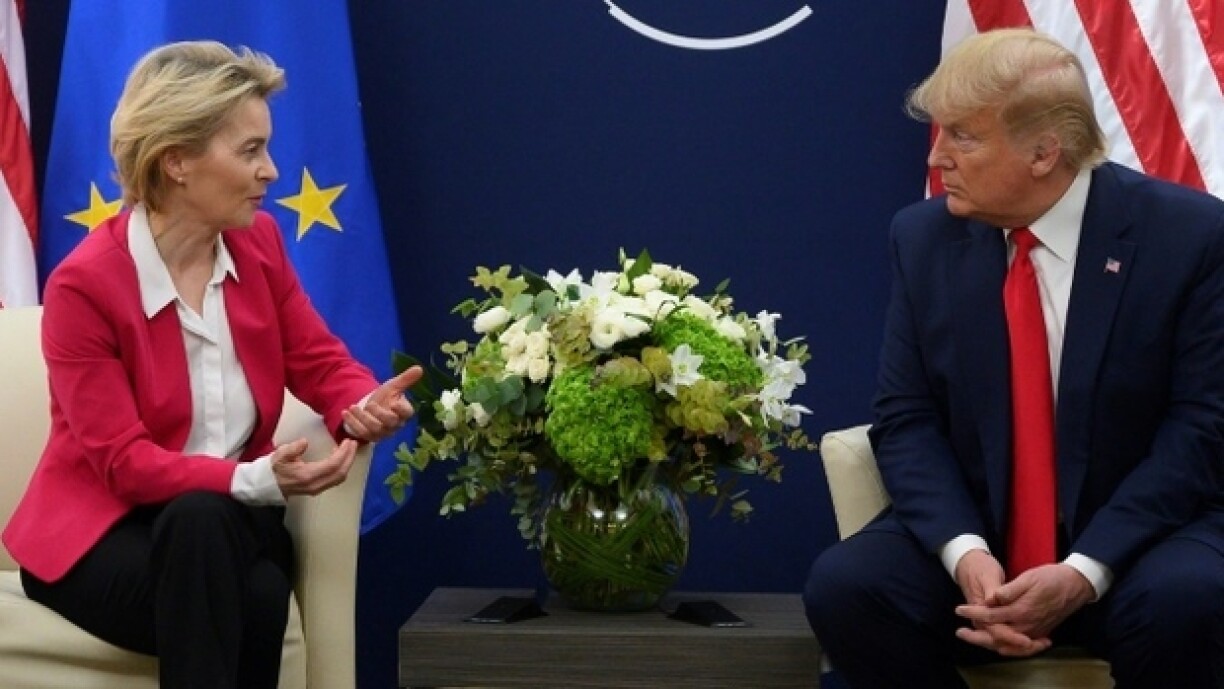
Transatlantic trade truce – After months of wrangling and a marathon negotiation session, EU lawmakers and member states emerged from talks in Strasbourg with an agreement to move forward on the bloc’s trade pact with the United States. The deal comes just ahead of an intimidating 4 July deadline set by President Donald Trump, who threatened to impose much higher tariffs on European goods if the EU failed to act. Now that the nearly year old pact is set for ratification, negotiators have brought an end to the tumultuous transatlantic tariff battles with President Donald Trump.
Safeguards and compromises – The final text of the agreement includes safeguards allowing the European Commission to suspend the accord if the United States fails to meet its commitments or disrupts trade. The EU also secured means to address surges in US imports that could harm domestic producers with suspension once again a possible outcome. However, compromises were made over so-called "sunrise" and "sunset" clauses under which the EU side of the accord would kick in once the US makes good on its pledges, and would expire unless renewed in 2028. The sunrise clause was removed altogether, while the sunset was pushed back to the end of 2029.
Stability and predictability – The deal was broadly welcomed by European business groups, with agri-business lobby group Copa-Cogeca calling it a step towards greater certainty for farmers, and Germany’s auto industry association VDA urging swift finalisation. EU leaders stressed the importance of stable and predictable transatlantic trade, while US officials said they would review the details closely. The agreement now heads for ratification before the July deadline.
Rising toll – The latest Ebola outbreak in the Democratic Republic of Congo has escalated quickly, with over 160 suspected deaths and nearly 671 probable cases reported, mainly in Ituri province. The World Health Organization has declared the situation an international health emergency, as the virus has now spread into neighbouring provinces and even crossed borders into Uganda. The highly contagious Bundibugyo strain induces a haemorrhagic fever in patients and currently has no approved vaccine or treatment. In the past half-century, Ebola has killed more than 15,000 people in Africa.
Conflict-ridden region – Efforts to contain the outbreak are severely hampered by ongoing conflict in eastern DRC, particularly in areas controlled by armed groups like the Rwanda-backed M23 militia. Health infrastructure is under strain, with hospitals overwhelmed and lacking basic protective equipment. Aid organisations face difficulties accessing affected areas, and recent international funding cuts have further complicated the response. The region’s instability and population movements are accelerating the spread of the virus. International experts warn the outbreak could be lengthy, with local and global health agencies racing to deploy supplies and trial new treatments.
Witchcraft conspiracies – Initial cases went unrecognised as Ebola, with many communities attributing the deaths to witchcraft or supernatural causes, due to how rapidly the disease was claiming lives before any diagnosis could be made. This delayed alerting health authorities and allowed the virus to spread unchecked for weeks. Mistrust of health workers, conspiracy theories, and fear of treatment centres have further hindered containment efforts. While the risk from a deadly Ebola outbreak is high in central Africa, it remains low globally, the WHO confirmed, adding that the virus had likely been spreading for months.
Your Weekly Recap is published every Friday at noon.
Read earlier versions here.





