Luxembourg will raise its defence spending by 0.1 percentage points annually through 2029, bringing military expenditure to 2.3% of gross national income (GNI) within three years, Defence Minister Yuriko Backes announced on Wednesday. The move comes as NATO allies face mounting pressure to increase military investment following Russia's invasion of Ukraine and ahead of the alliance's summit in Ankara this July.
Under the new trajectory approved by the government, Luxembourg's defence spending is projected to rise from €1.37 billion in 2027 to €1.67 billion in 2029.
| 2027 | 2028 | 2029 | |
| Trajectory | 2.1% | 2.2% | 2.3% |
| Defence spending in millions (€) | 1.373 | 1.513 | 1.665 |
In a statement, Backes said the increase represented what she described as a "reasonable response" to the current geopolitical climate while remaining proportionate to Luxembourg's national realities.
The plan aligns Luxembourg with commitments made by NATO allies at the 2025 Hague summit, where member states agreed to work toward spending 5% of GDP – or GNI in Luxembourg's case – on defence and broader security measures by 2035. That target includes 3.5% for core defence spending and 1.5% for related security investments.
Despite the longer-term NATO benchmark, Luxembourg stopped short of outlining spending plans beyond 2029. The government said the timeline reflects both NATO's planned reassessment of defence targets that year and Luxembourg's legislative elections in 2028, leaving room for a future administration to adjust policy according to the strategic environment.
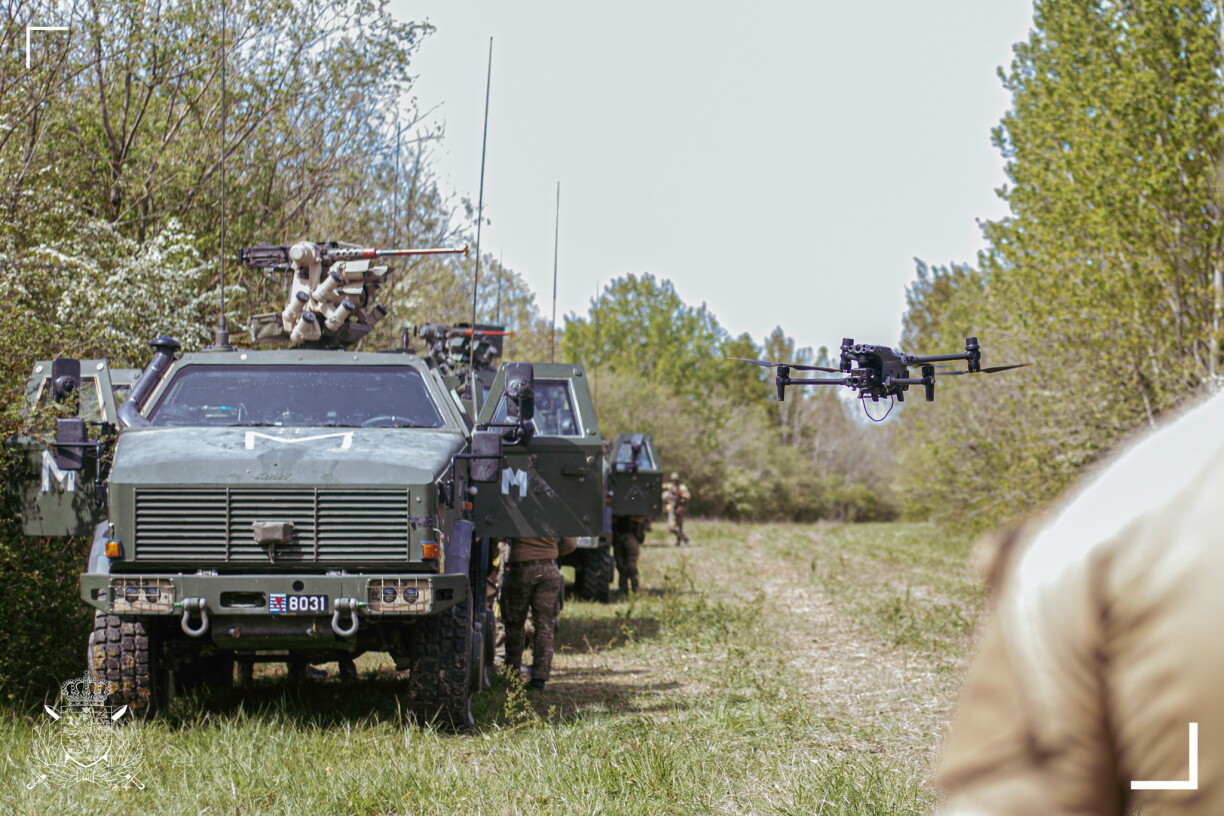
The additional funding will focus on both military capabilities and defence-related industries. Planned investments include Luxembourg's participation in the future Belgian-Luxembourgish combat reconnaissance battalion and the development of integrated air and missile defence capabilities.
The government also intends to channel money into sectors where Luxembourg sees economic and technological returns, particularly in cyber security and space technologies. Backes said research and development funding would be prioritised under the country's defence industry strategy.
Support for Ukraine remains central to the spending roadmap, according to the defence minister, who described Ukraine as the front line of Europe's defence.





