Here are five things you should know at the end of this week:
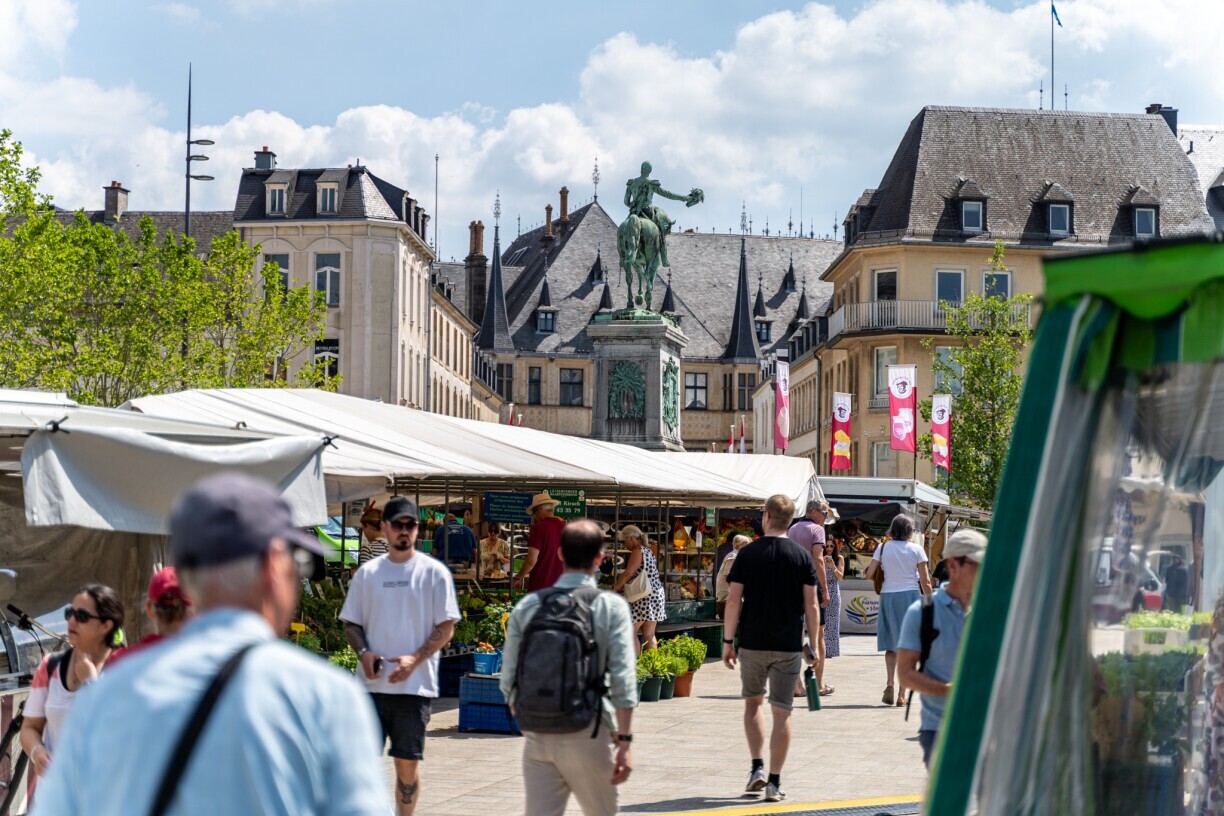
One in a million – Luxembourg’s population is set for significant growth, with STATEC projecting up to one million residents by 2070. Migration is expected to remain the main driver, accounting for about 80% of the increase. Four scenarios were outlined, with population outcomes ranging from 944,000 to 1,067,000 depending on economic performance and the country’s attractiveness compared to its neighbours.
Pressure on education system – To keep pace with the growing number of students, Luxembourg will build 11 new high schools by 2050. The country expects nearly 17,500 additional students over the next 24 years, prompting urgent expansion plans. Immediate measures include adding 1,100 places by 2027 through the extension of four existing schools, with further sites planned across various regions to ensure access and minimise travel for students.
Should I stay or should I go? – Despite projections, other recent studies highlight a dynamic and complex nature of Luxembourg’s workforce. Nearly 90% of new job market entrants in 2024 were born outside the country, with cross-border workers increasingly coming from France. However, the foreign workforce remains highly mobile, with about 30% leaving within a year, and half departing within five years. The profile of newcomers is also changing, with no single nationality dominating among new arrivals.
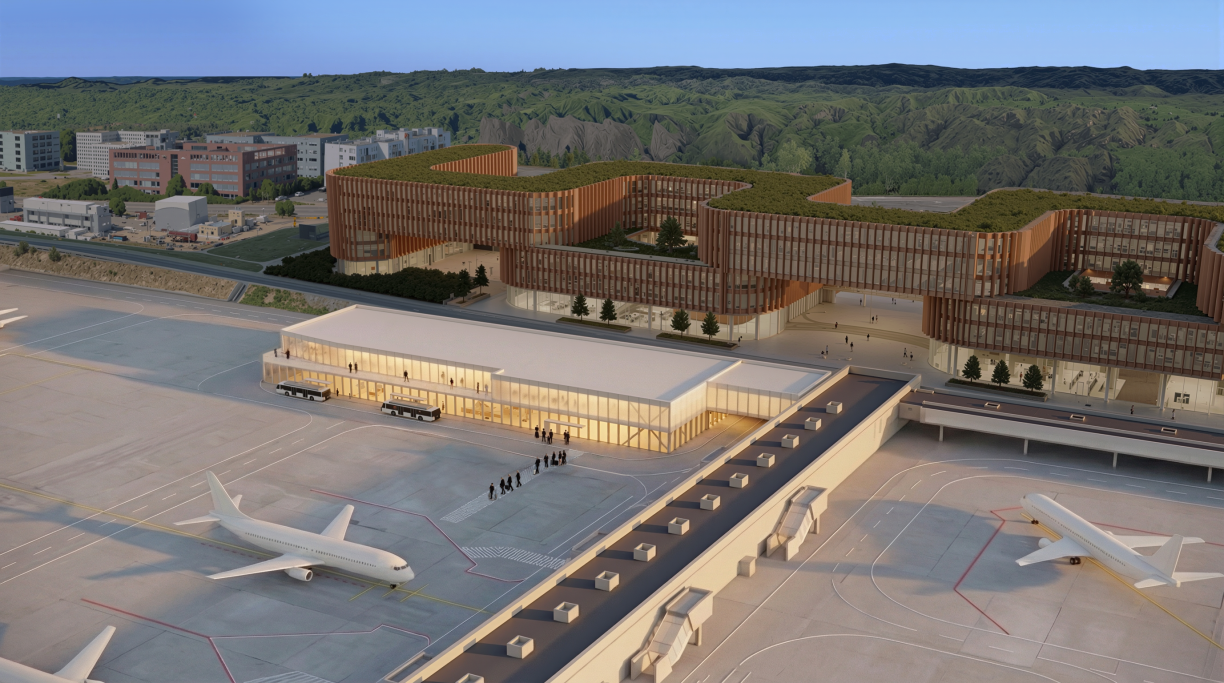
Major expansion – Findel airport is set for its first comprehensive modernisation, with a plan unveiled by the Ministry of Transport. The project, costing around one billion euros, will be partly funded by the state and Luxairport. Key upgrades include expanding Terminal A and B, installing new baggage systems, and adding six new gates by 2028. The improvements target a predicted surge in passenger numbers, aiming for 10 million travellers per year by 2050.
Fuel security in focus – A central feature of the plan is a new kerosene storage facility, with six reservoirs offering a 30,000 cubic metre capacity by 2028. Currently, Findel’s kerosene reserves provide about two days of operational autonomy, with fuel sourced from neighbouring countries. The new tanks are intended to strengthen the airport’s resilience, especially as the region faces the risk of jet fuel shortages linked to disruptions in global supply routes.
Regional supply challenges – Jet fuel shortages are a growing concern across Europe due to the prolonged closure of the Strait of Hormuz, which has disrupted oil supplies. While the European Commission reports no immediate shortages, industry experts warn that airports could face supply issues as early as May or June if the situation persists. Luxembourg’s authorities have instructed airlines to minimise local refuelling, and emergency plans are in place to manage potential disruptions.
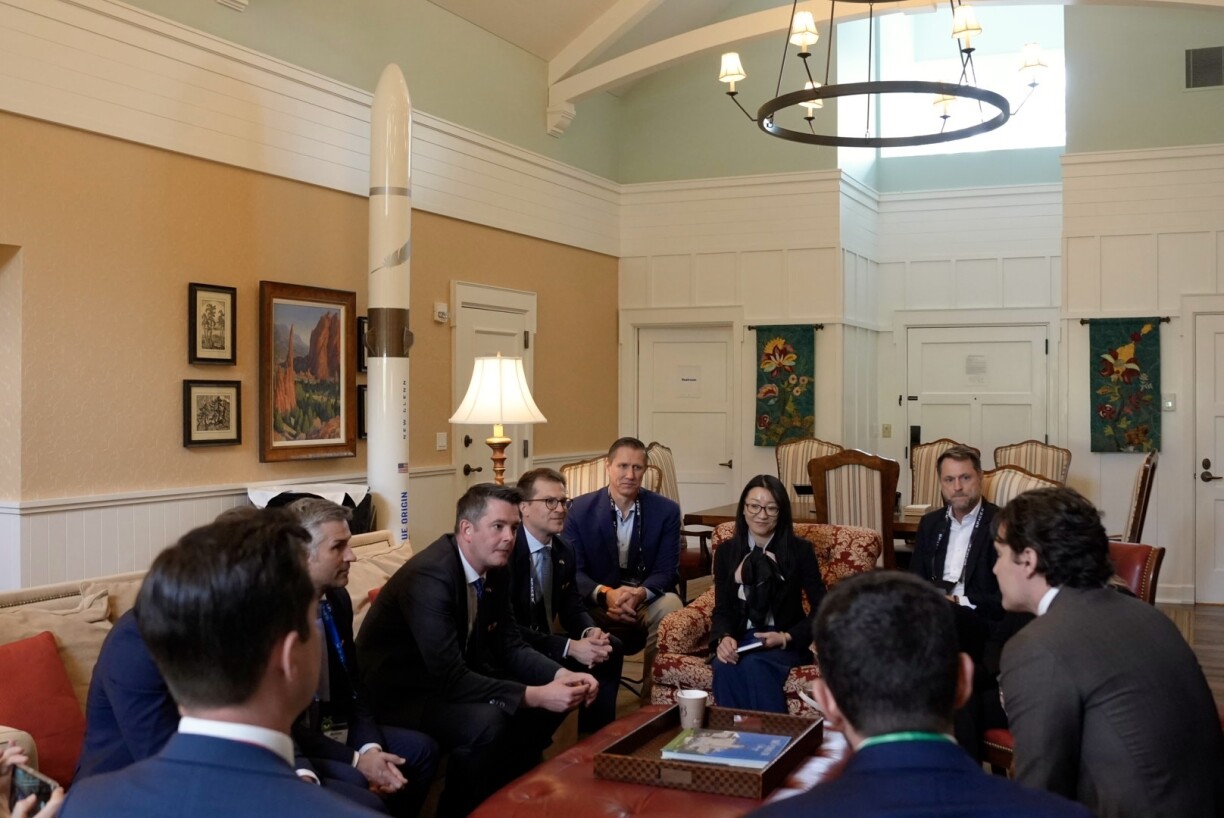
Strengthening European presence – Blue Origin’s decision to open a Luxembourg office marks a significant step in expanding its European footprint. The new hub is designed to serve as a strategic centre for the company’s global supply chain and to deepen cooperation with key partners, including the Luxembourg Space Agency and the European Space Agency. This move follows a cooperation agreement signed in June 2025 with Luxembourg’s Ministry of the Economy.
Focus on lunar mapping – A major focus of the collaboration is the OASIS project, which aims to map lunar resources from a very low polar orbit. The initiative will be jointly implemented by Blue Origin’s Luxembourg office and its Space Resources Center of Excellence, with support from local partners GOMSpace and ESRIC. The project seeks to identify water ice, helium-3, and rare earth elements on the Moon’s surface with unprecedented precision.
Luxembourg’s space ambitions – Luxembourg was chosen for its dynamic space ecosystem and highly qualified, multilingual workforce. Economy Minister Lex Delles highlighted the opening as a testament to the country’s growing ambition in the space sector. The new office is expected to enhance Blue Origin’s operational capabilities in Europe and support sustainable space exploration, reflecting Luxembourg’s increasing role as a hub for innovative space initiatives.

Pope pops off – President Trump lashed out at Pope Leo XIV, calling him "very liberal" and "weak on crime" after the pope urged world leaders to end violence in the Middle East. Trump accused the American-born pontiff of being soft on Iran and claimed Leo was only elected to the papacy as a way to influence his administration. The president’s remarks came after Leo’s impassioned plea for peace at St Peter’s Basilica.
Personal Jesus – The feud intensified when Trump posted, then deleted, an AI-generated image depicting himself as Jesus Christ. The image sparked outrage among religious leaders and conservative Christians, who called the post blasphemous and demanded its removal. Trump later insisted the image was meant to show him as a doctor, not as a religious figure, but the backlash highlighted growing discomfort among his faith-based supporters.
Falling out – The unprecedented spat between the White House and the Vatican comes as Trump faces criticism from both religious and political allies. Catholic leaders and commentators warned the dispute could erode support among religious voters, especially as the US midterm elections approach. While some in Trump’s administration defended the president, others in the religious right expressed concern over his rhetoric and actions.

10 days of peace? – The ceasefire comes after a devastating period of violence that began when Hezbollah fired rockets at Israel, prompting Israeli strikes that killed more than 2,000 people and displaced over a million in Lebanon. Israeli ground forces also invaded southern Lebanon, escalating the conflict. The truce was reached after phone calls between US President Donald Trump, Israeli Prime Minister Benjamin Netanyahu, and Lebanese President Joseph Aoun.
Conditions and reactions – Israel has agreed to the ceasefire but insists on maintaining a 10-kilometre security zone in southern Lebanon and demands the disarmament of Hezbollah as a precondition for lasting peace. While Hezbollah has said it will "cautiously adhere" to the truce if Israeli attacks stop, Lebanese leaders have welcomed the pause in hostilities. Local residents in Beirut expressed relief, hoping for safety and peace after weeks of war.
Broader peace efforts underway – The ceasefire is part of wider diplomatic efforts to resolve the ongoing Middle East conflict, including US-led negotiations with Iran. Trump has invited the leaders of Israel and Lebanon to the White House for what would be their first-ever meeting, aiming to build on the momentum of the truce. Talks between the US and Iran are also ongoing, with hopes for a comprehensive peace agreement in the region, as Trump claims Iran has agreed to hand over enriched uranium reserves.
Your Weekly Recap is published every Friday at noon.
Read earlier versions here.





