
Here are five things you should know at the end of this week:
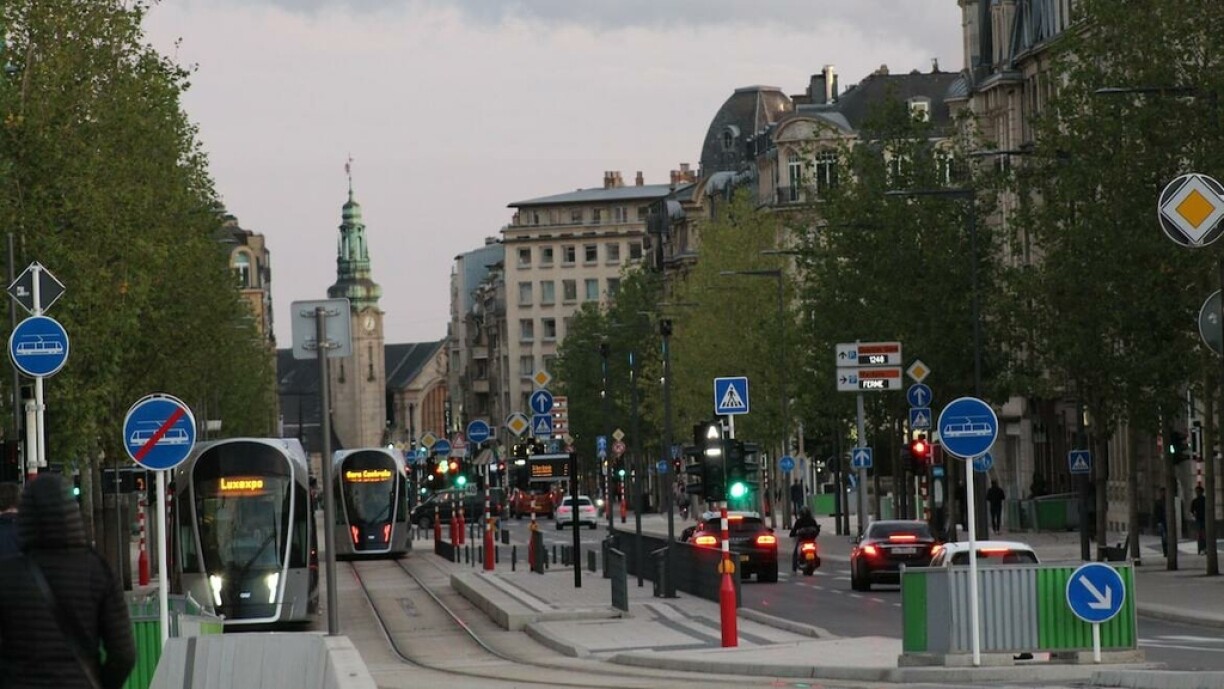
Structural dependency – The Luxembourg Institute of Socio-Economic Research (LISER) study, commissioned by the Ministry of Economy, lays bare just how reliant Luxembourg's economy is on workers born abroad: Annual inflows of new workers moving to the country have grown from around 4,000 in 2002 to over 8,000 in 2024, while new cross-border entrants rose from 12,000 to 15,000 over the same period.
Shifting patterns – The profile of cross-border workers is also changing, as reflected by the Portuguese community as a case in point: fewer Portuguese nationals are settling in Luxembourg itself, while more are choosing to live in the border region and commute. By 2024, one in 10 new cross-border workers held Portuguese nationality, and over 60% of Belgian cross-border workers were not born in Belgium.
Mobile workforce – Sector plays a significant role in where workers choose to live. Those in finance and specialised services tend to settle in Luxembourg, while workers in construction, transport, and commerce are more likely to commute. Housing costs are seen as a key driver of this divide.
However, what cuts across all sectors is the tendency to move on quickly; Luxembourg's foreign workforce ebbs and flows with the country's economic fortunes.
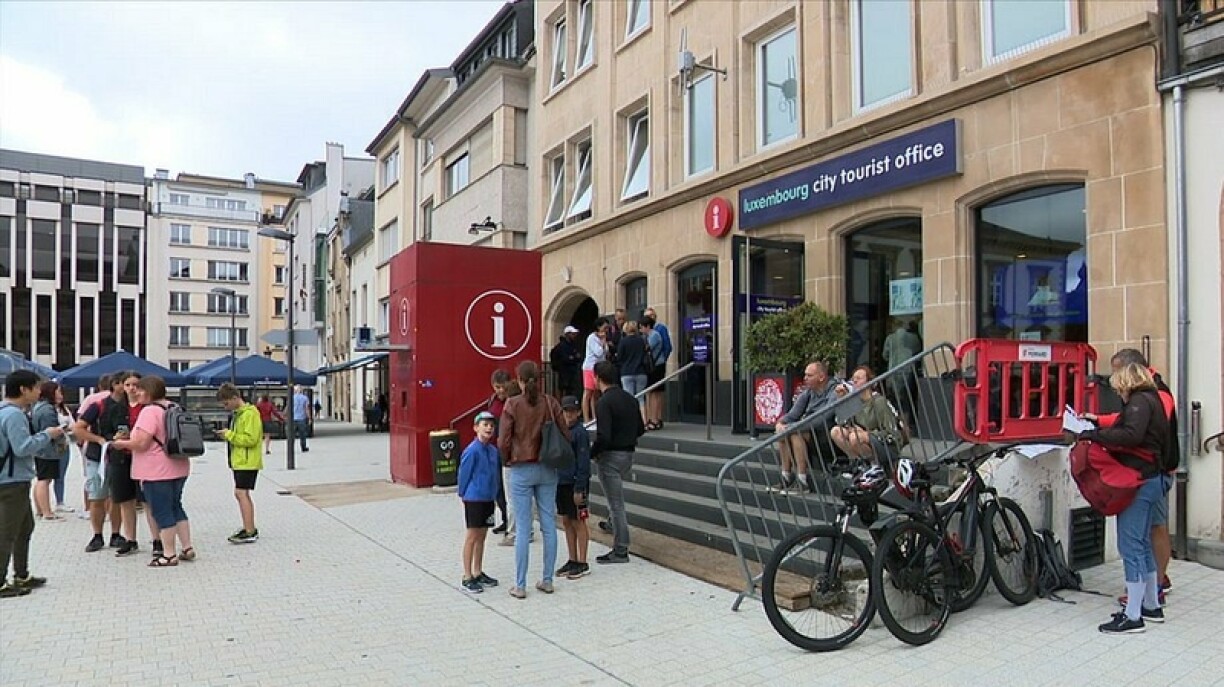
Record numbers – Luxembourg welcomed 1.6 million tourist arrivals in 2025, with overnight stays reaching 3.6 million. For 2026, Luxembourg for Tourism is projecting a 2% increase, with bookings for April and June already running ahead of last year's figures. Campsites in particular are seeing the payoff from years of investment.
Resilient model – Unlike destinations heavily reliant on long-haul travel, Luxembourg draws the vast majority of its visitors from neighbouring countries and the Netherlands. This geographic proximity, combined with a mostly car and train-based visitor profile, has insulated the sector from disruptions linked to the ongoing conflict in Iran and its effects on air travel.
Room for growth – Nature, hiking, and city sightseeing remain the top draws. Reddeker also pointed to culture and gastronomy tourists as a particularly valuable segment, noting they tend to spend more. He sees cultural tourism as an area with significant untapped potential, provided prices remain accessible and the destination continues to project an image of safety.

What was sold – The products were marketed as THCA cannabis, presented as a non-psychoactive and supposedly legal alternative. THCA is a precursor to THC that does not produce a high in its raw form but converts to THC when heated. Luxembourg law, however, leaves no grey area: both THCA and THC-related products are classified as narcotics and are illegal.
What was actually inside – RTL Today obtained a sample and had it tested by Pipapo, a harm-reduction service run by NGO 4motion. Results show that the product was not THCA at all, but CBD coated with synthetic cannabinoids, most notably MDMB-PINACA, a lab-made compound that can be 50 to 100 times more potent than natural THC.
Risks associated with consumption include nausea, blood pressure changes, cramps, panic attacks, and acute psychosis. Deaths linked to synthetic cannabinoids have been recorded in Europe.
What happens next – The vending machine location has since been marked as temporarily closed. The distributor maintains it did not knowingly sell illegal substances and has launched an independent analysis, while stating it has not yet received documentation confirming a verified link between the tested sample and its business.
Both the Ministry of Health and the Ministry of Economy confirmed the products are illegal under Luxembourg law. Authorities have been notified.
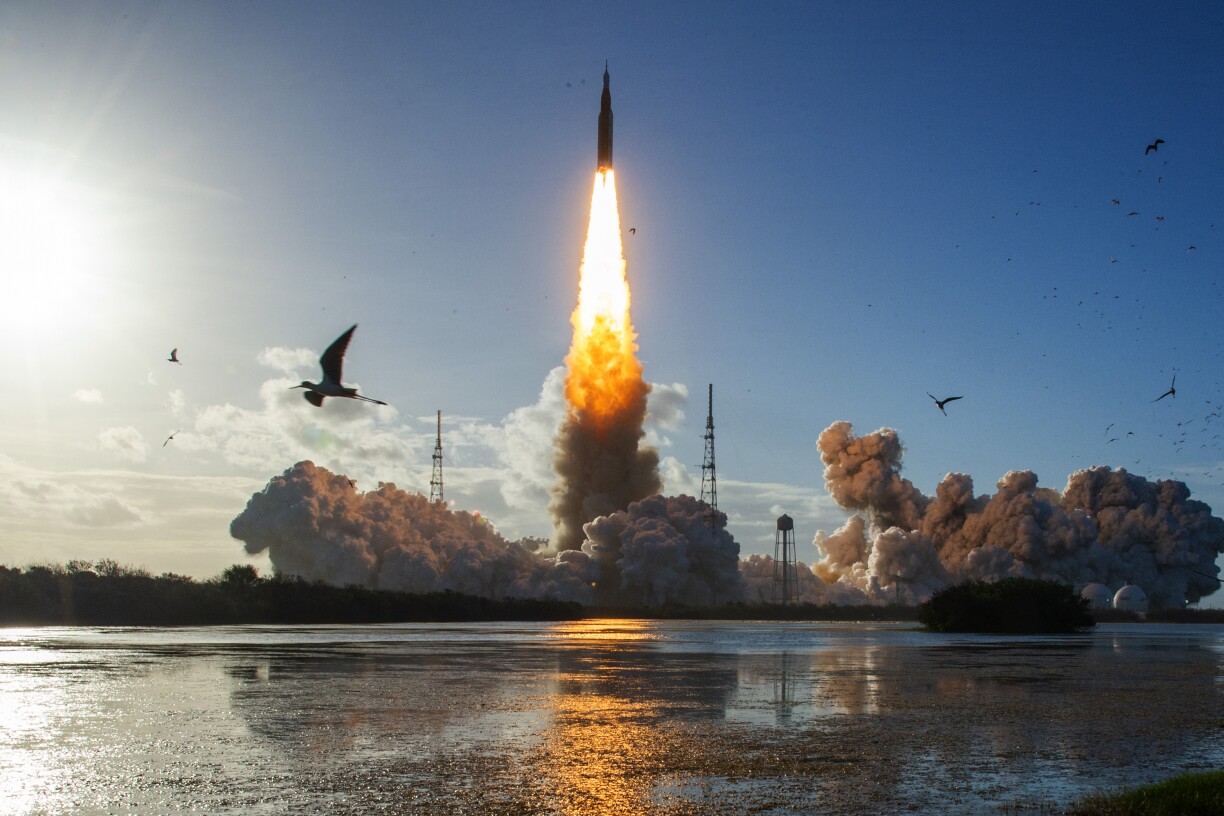
Long time coming – Artemis 2 has faced years of delays, repeated technical setbacks, and significant cost overruns before finally making it to the launch pad. The mission was originally scheduled for as early as February. Around 400,000 people gathered near Florida's Space Coast to watch.
Historic crew – US Americans Reid Wiseman, Victor Glover, and Christina Koch, along with Canadian Jeremy Hansen, make up the four-person team. Their trajectory will take them farther from Earth than any humans have ever travelled. The mission echoes Apollo 8's orbit of the Moon in 1968, though with a new rocket making its first crewed flight.
The bigger picture – Artemis 2 is a stepping stone towards establishing a permanent lunar base and, eventually, deeper space exploration. The programme is also framed as part of a broader competition with China, which is aiming to land humans on the Moon by 2030.

Four years on – In late March 2022, as Russian forces withdrew from Kyiv's suburbs, the bodies of hundreds of civilians were found on the streets of Bucha and surrounding areas. The images shocked the world and became a defining moment of the war.
This week, the foreign ministers of Germany, Poland, Italy and other EU countries joined Kallas in making the journey to the site.
Reaffirming support – The diplomats used the visit to send a clear political message, with Kallas stating on X that each visit serves as a reminder of Ukraine's courage and resilience, and that Europe will continue to stand by its side.
Funding at stake – The symbolic trip comes at a moment when the bloc's unity on Ukraine is under strain, with the most immediate pressure point a €90 billion EU loan for Ukraine that remains frozen due to opposition from Hungary.
The funding shortfall has put Kyiv's finances under significant pressure, with Ukrainian President Volodymyr Zelensky on Monday pushing back against reports that soldier and state worker salaries could be suspended as a result. A resolution to the standoff remains elusive as peace talks continue to stall.
Your Weekly Recap is published every Friday at noon.
Read earlier versions here.





