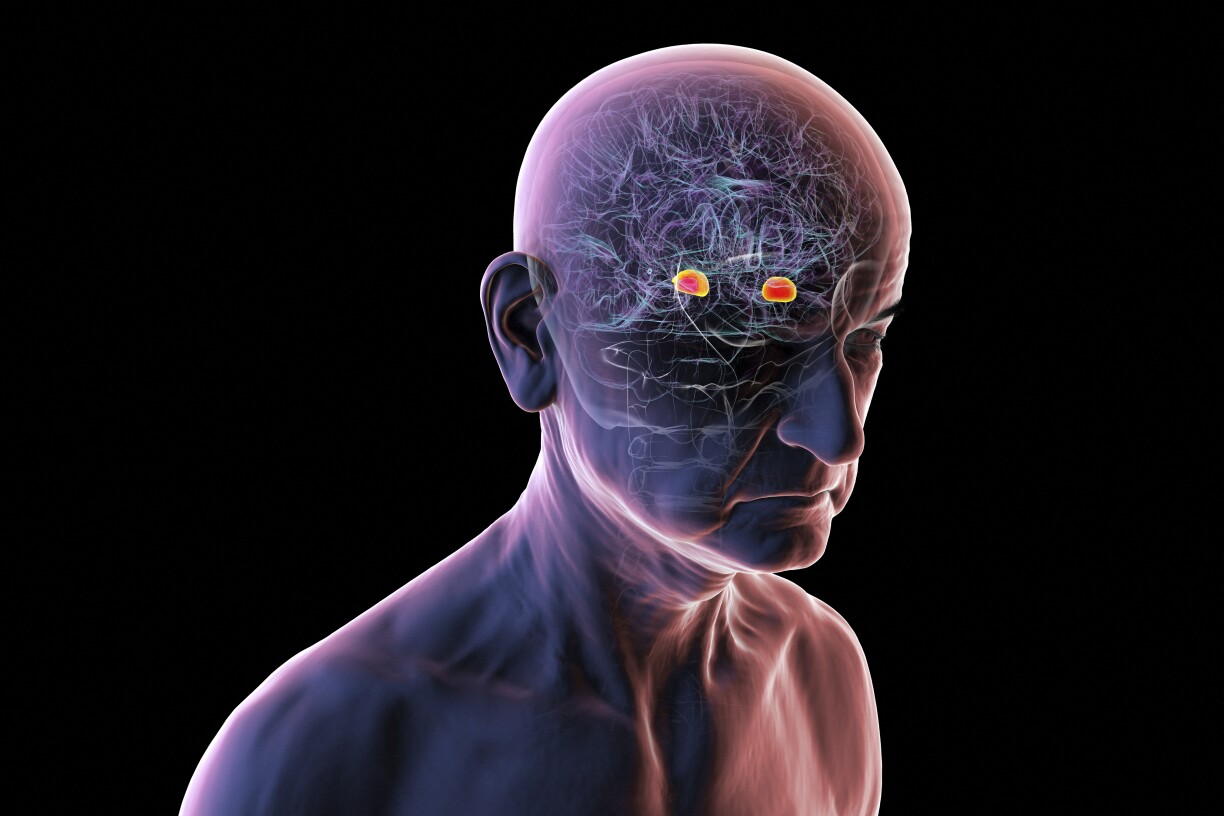
Neurologist and clinician-scientist Michael Heneka, director of the Luxembourg Centre for Systems Biomedicine (LCSB) at the University of Luxembourg, has been awarded the European Grand Prize from the Alzheimer’s Research Foundation for his work on inflammation in the brain. His research is helping reshape how scientists understand Alzheimer’s disease.
Heneka focuses on neuroinflammation, which is the interaction between the brain and the immune system. Rather than looking only at proteins such as amyloid, his work highlights how immune cells in the brain contribute to the development and progression of the disease.
He said the award reflects years of collaboration with his fellow researchers and a broader shift in thinking about how the nervous and immune systems interact to drive the disease. According to Heneka, Alzheimer's is not just a condition within nerve cells, the brain’s immune cells also play a role in the disease's progression.
This shift in perspective is opening up new possibilities for treatment. Researchers can now target inflammatory processes in the brain in an effort to slow the disease down.
Heneka and his team have identified a signalling pathway involved in these processes. This essentially shows how cells detect and respond to danger signals. Early clinical trials are now under way with drugs designed to break this pathway.
These developments could lead to treatments that address the underlying mechanisms of the disease, rather than simply managing symptoms. They may also improve early diagnosis and prevention.
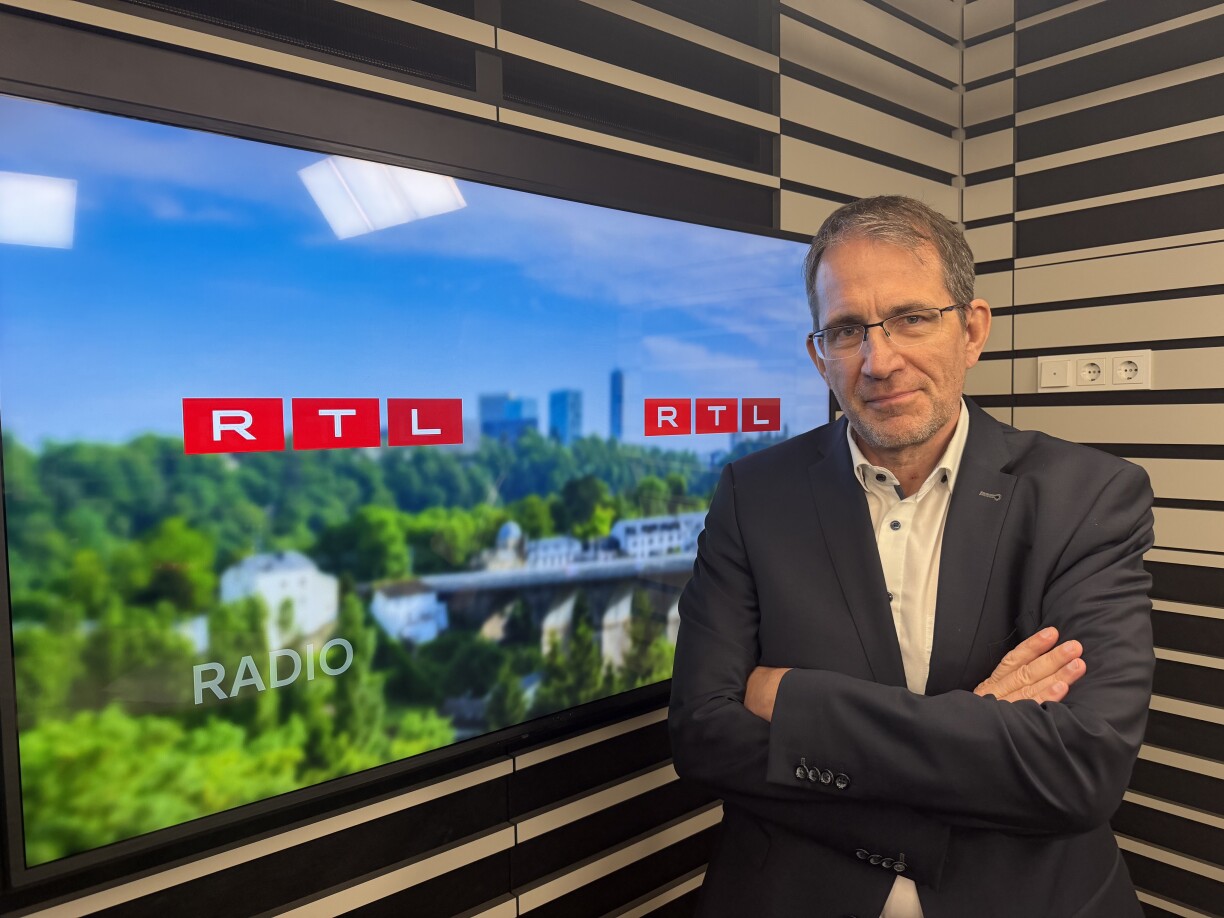
Heneka's approach offers hope for a future where more effective treatments that target the underlying mechanisms of Alzheimer’s, rather than only managing symptoms can be developed. The role of inflammation may also support earlier diagnosis and prevention.
"We know that older adults with normal cognitive decline can develop Alzheimer’s after serious infections, pneumonia or major surgery, and it may be possible to protect them at this stage," Heneka said. "More broadly, many patients developing the disease could benefit from such treatments."
Research shows that Alzheimer’s begins decades before symptoms appear, often as early as age 30 to 40, without those affected even being aware of it.
"During this clinically invisible phase, key processes take place in the brain, with mechanisms activated that could serve as effective therapeutic targets," he said. "If we intervene at this stage, we may be able to substantially influence the disease's progression."
Air pollution, diabetes, smoking and excessive alcohol consumption can all increase the risk of Alzheimer’s. Regular physical activity helps keep blood pressure and cholesterol in check and may lower that risk. A balanced diet, along with mental stimulation and social interaction, can also help support cognitive health and lessen the chances of mental decline.





