Here are five things you should know at the end of this week:
________________________________________________
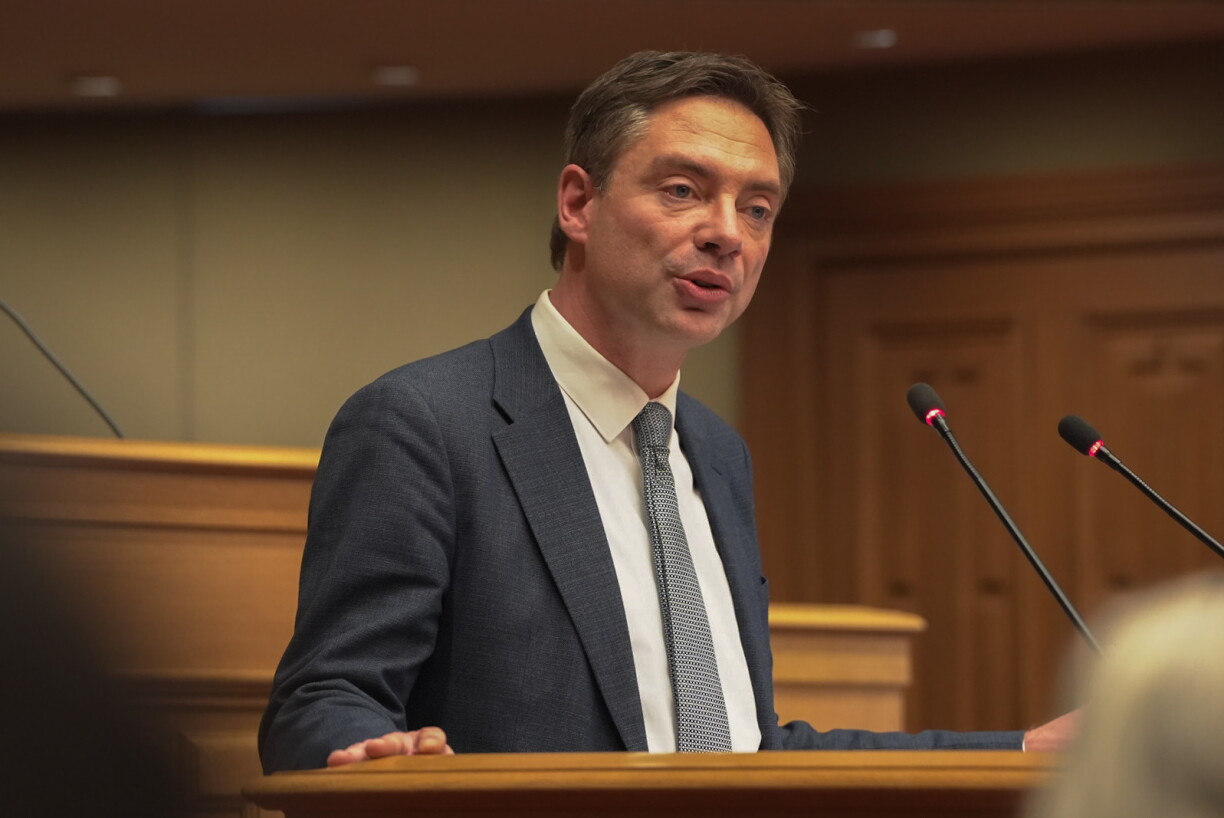
Coalition in trouble – The governing coalition would lose its majority if elections were held on Sunday. The latest Sunday Poll projects 15 seats each for the CSV and DP, leaving their coalition with 30 of parliament’' 60 seats – one short of a majority, compared with its current 35.
The decline is driven by the CSV, which would fall from 21 seats to 15, while the DP would gain one. Meanwhile, the right-wing ADR would rise to a record eight seats and The Greens would recover from four to seven.
These projections would make a coalition involving at least three parties necessary; one possibility would be a return to the DP–LSAP–Greens partnership, with 34 seats.
Pressing concerns – Voters want stronger action on climate resilience, public safety, and fuel costs. Some 90% support greater state investment in adapting Luxembourg to climate change, including measures to cope with heatwaves, drought, and flooding, while 77% favour investment in firefighting helicopters or water-bombing planes.
On public safety, 87% want the state, police, and judiciary to take a stricter approach to people causing disorder in cities. Meanwhile, 76% support extending the government's five-cent-per-litre fuel discount if prices remain high, showing that demand for climate action coexists with concern about driving costs.
Voting rights – Immigration and expatriate voting rights reveal a more restrictive mood, although opinions differ across parties. Overall, 60% want immigration restricted further, with support particularly strong among ADR voters (90%) and CSV voters (69%), whereas majorities of Green and Left voters oppose further restrictions.
Separately, 65% oppose allowing Luxembourg citizens living abroad to vote without residing in the country, a right they currently hold even if they have never lived there. The poll also finds that 58% believe right-wing populism could gain further ground in Luxembourg. It is to be noted that this question measured expectations rather than support for such a development.
________________________________________________
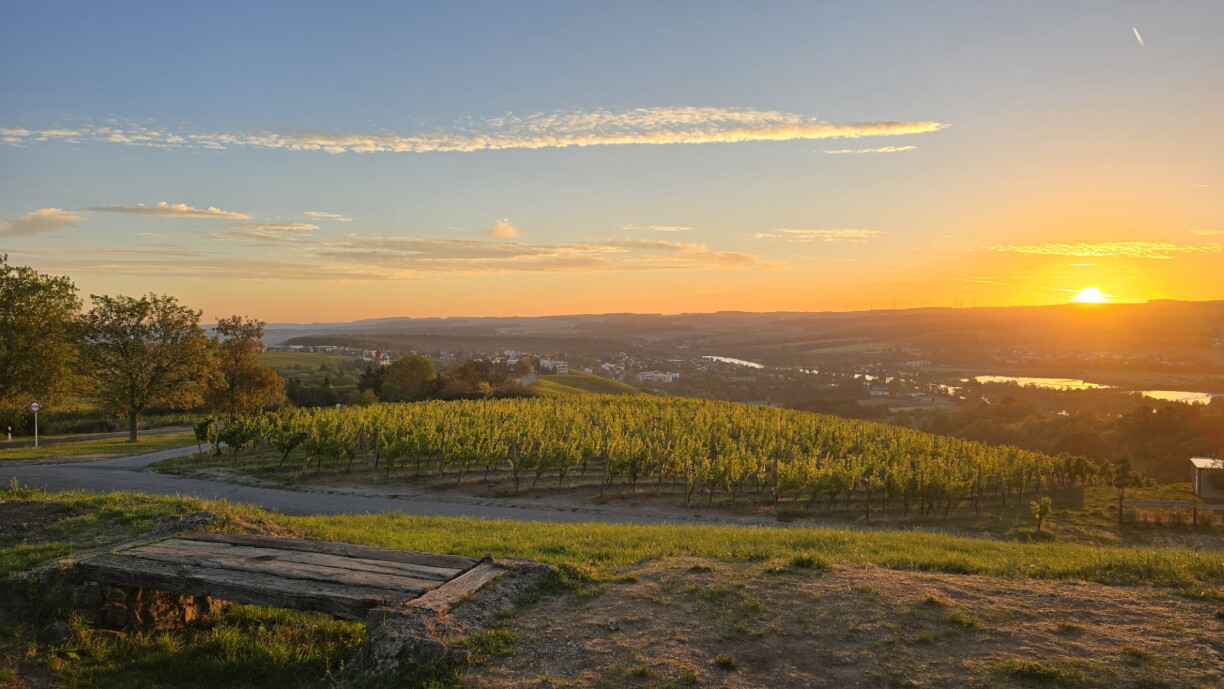
Origin unknown – Three of 140 samples tested positive at separate sites in Mertert and Grevenmacher, with authorities receiving confirmation on 12 October. The bacterium can cause grapevines and many other plant species to dry out and die, spreading through sap-feeding insects and the movement of infected plants.
Its origin remains unknown, although investigators suspect local insects may have picked it up from an infected imported plant.
Fighting fire with fire – Authorities are destroying affected plants and taking urgent measures to contain the outbreak. One infected vineyard plot must be entirely uprooted, and Agriculture Minister Martine Hansen said clearance measures apply within 50 metres of infected plants, alongside intensified monitoring within 2.5 kilometres.
Plant material will be burned directly in the vineyard, while insecticides are being used against the insects that transmit the disease. There is no treatment for the bacterium itself, making rapid containment essential to protect neighbouring vineyards, orchards, and other vegetation.
No danger to humans – The bacterium poses no danger to people or animals and does not affect wine safety or quality, but public cooperation is essential. Residents and businesses are asked to stay away from affected areas, avoid moving potentially infected plants or plant material out of restricted zones, report suspicious symptoms, and follow inspectors' instructions.
Monitoring covers six municipalities: Rosport-Mompach, Mertert, Manternach, Grevenmacher, Biwer, and Wormeldange. Affected winegrowers will receive compensation, with the Agriculture Ministry providing details directly.
________________________________________________
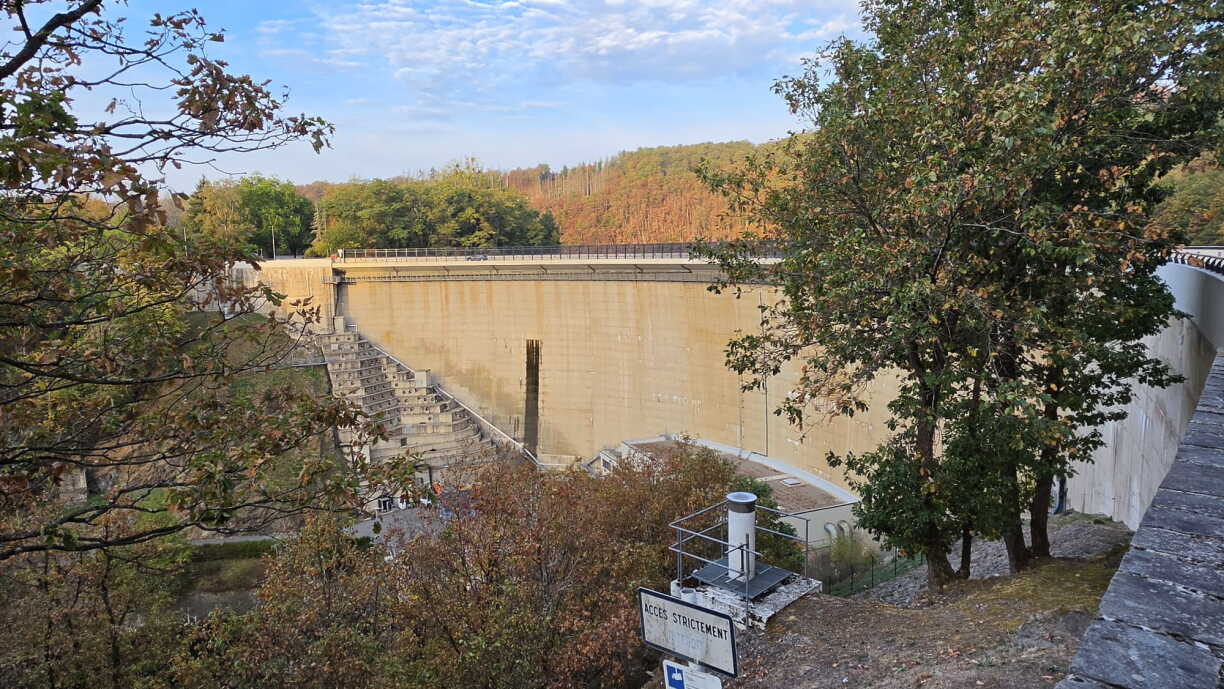
Residents worried – People living nearby noticed substantial moss on certain sections of the wall and questioned whether the damp patches could indicate cracks or sealing problems, prompting the National Roads Administration to clarify the situation.
Minor seepage – Spokesperson Ralph Di Marco from the National Roads Administration explained that small amounts of water trickle through points where separate sections of concrete meet, creating damp conditions that allow moss to grow. Such minor seepage is common in large structures like the dam and has occurred there before.
Targeted repairs possible – No immediate intervention is required, although repairs remain an option if the seepage persists. According to the administration, similar small leaks have previously stopped on their own without maintenance. If the current seepage continues for an unusually long time, targeted repair work could be considered.
________________________________________________
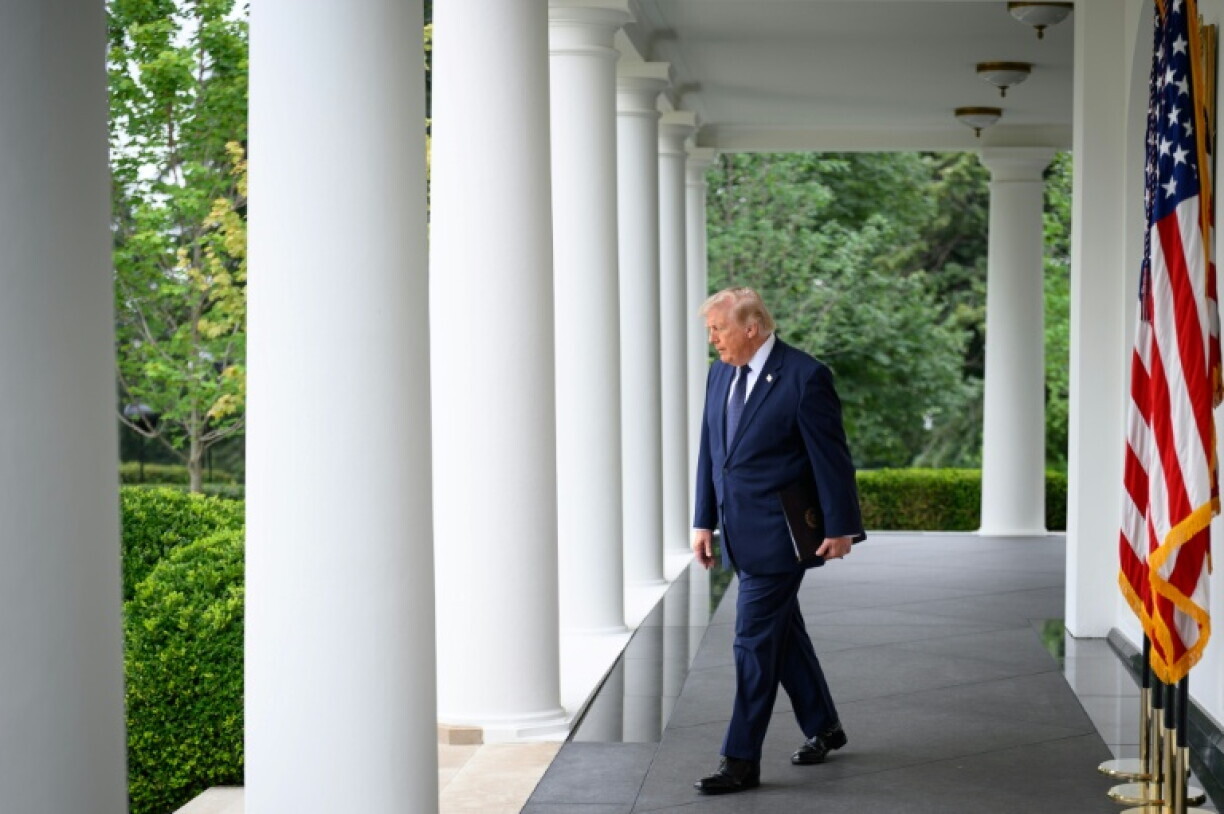
In-person witnesses – Hasan, who killed 13 people at a Texas military base in 2009 and was sentenced to death in 2013, is due to face a firing squad on 3 December. Trump maintained that broadcasting the execution could deter potential terrorists but acknowledged hefty opposition to the proposal. Immediate family members of the victims will still be allowed to witness it in person.
Strong opposition – Democratic and Republican politicians, the Catholic Church, the United Nations, and the British and Australian prime ministers condemned the plan, while a Washington Post–ABC News–Ipsos poll found that eight in ten Americans opposed it. Dozens of retired US military officers also warned that broadcasting the execution would damage the military's honour and risk turning Hasan into a martyr.
War secretary undermined – Hegseth had promoted the livestream as a way to demonstrate the consequences of terrorism, but lawmakers criticised the proposal and welcomed its cancellation. The Pentagon said Hegseth supported Trump's decision and that the two remained aligned. Hasan's execution would be the first carried out by the US military since 1961 and its first execution by firing squad since 1945.
________________________________________________

Successful surgery – The 71-year-old underwent the operation at Rome's Gemelli hospital on Tuesday, with doctors reporting that subsequent blood tests and a chest X-ray showed a normal recovery. He has been walking around his room, eating meals, and doing respiratory physiotherapy, and a Vatican source said he celebrated mass in a specially prepared hospital room on Wednesday.
On Thursday, the Vatican reported that he had spent a good night and gotten up for breakfast.
Awaiting results – Although the Vatican said the tumour was detected early and was localised, biopsy results were still pending at the time of the reports. Before surgery, his recovery was expected to take around a week, and his audiences have been cancelled until 20 October. The diagnosis has also raised questions about whether he can proceed with a planned visit to Uruguay, Argentina, and Peru next month.
Support from around the world – The diagnosis has prompted shock, prayers, and messages of support worldwide, especially in his hometown of Chicago. Priests and parishioners there described their concern for the first American-born pope, with churches reporting people coming to light candles and pray for him.
Support has also come from international figures, including King Charles III and US President Donald Trump. His illness has introduced uncertainty early in his papacy, as he works to bridge divisions within the Catholic Church.
________________________________________________
Your Weekly Recap is published every Friday at noon.
Read earlier versions here.





