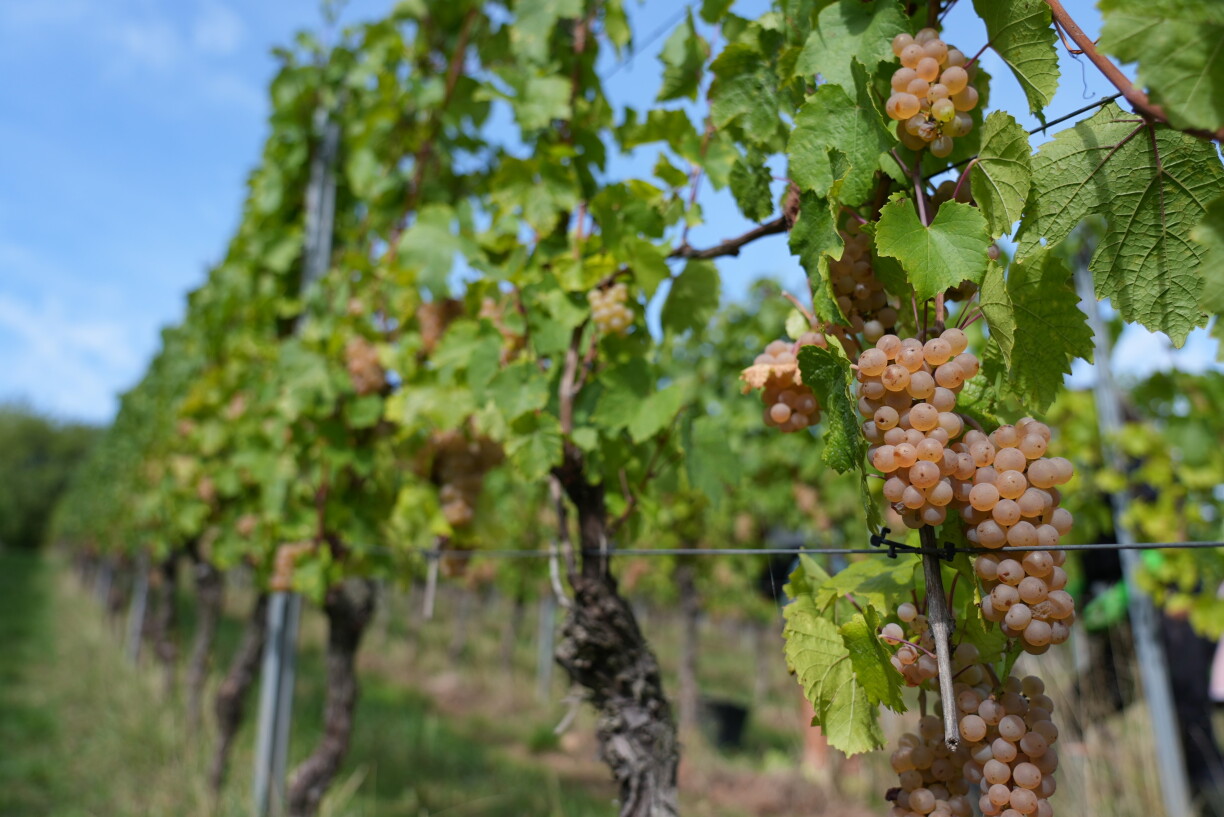
The Luxembourg Ministry of Agriculture has confirmed that the plant bacterium Xylella fastidiosa, commonly known as the fire bacterium, was detected at three locations along the Moselle river.
On Monday, 12 October 2026, authorities received positive test results from laboratory samples taken at three different sites in the municipalities of Mertert and Grevenmacher.
The Ministry has emphasised that Xylella fastidiosa cannot be transmitted to humans or animals and poses no risk to the quality or safety of Luxembourgish wines.
Xylella fastidiosa affects a wide range of plant species, including grapevines, which can dry out and die as a result. The bacterium is primarily spread by sap-feeding insects as well as through the movement of infected plants.
Outbreaks of Xylella fastidiosa have previously been reported in other European Union countries, including Italy, France, Spain, and Portugal.
In some regions, such as around Madrid and in the Algarve, authorities managed to contain the outbreaks.
To prevent the spread of the bacterium, Luxembourgish authorities have isolated affected plants and will identify and destroy those that are infected.
Monitoring will be stepped up in buffer zones covering the municipalities of Rosport-Mompach, Mertert, Manternach, Grevenmacher, Biwer, and Wormeldange, with ongoing sampling and analysis.
In addition, authorities are targeting the insects responsible for spreading the disease and have imposed a ban on transporting any plants suspected of being infected.
Similar measures are being implemented in Germany.


Affected winegrowers will receive compensation, with details to be provided directly by the Ministry.
Winegrowers seeking further information, or who suspect the presence of the bacterium on their plots, are urged to contact the Institut viti-vinicole (IVV) by calling 23 612 1 or by emailing viticulture@ivv.etat.lu.
Authorities are calling on all residents and businesses to cooperate in eradicating the bacterium by adhering to the following regulations.
Further information about Xylella fastidiosa and recommended procedures can be found on the Ministry of Agriculture's website in French or German.





