Debate over the European Union’s multi-annual budget took centre stage in Brussels as European Council President Antonio Costa aims to secure a deal worth €2 trillion by the end of the year. The ambitious plan would fund common projects, including agriculture, defence, and disaster response.
However, Germany, contributing a fifth of the EU’s net budget, has demanded reductions, arguing that the current proposal is unsustainable.
German Chancellor Friedrich Merz warned that no EU member state can afford contributions of this magnitude, pointing to the Commission's suggestion for 50% higher than current medium-term spending.
Joining the frugal front are The Netherlands, also supporting a lower figure than proposed by Commission President Ursula von der Leyen.
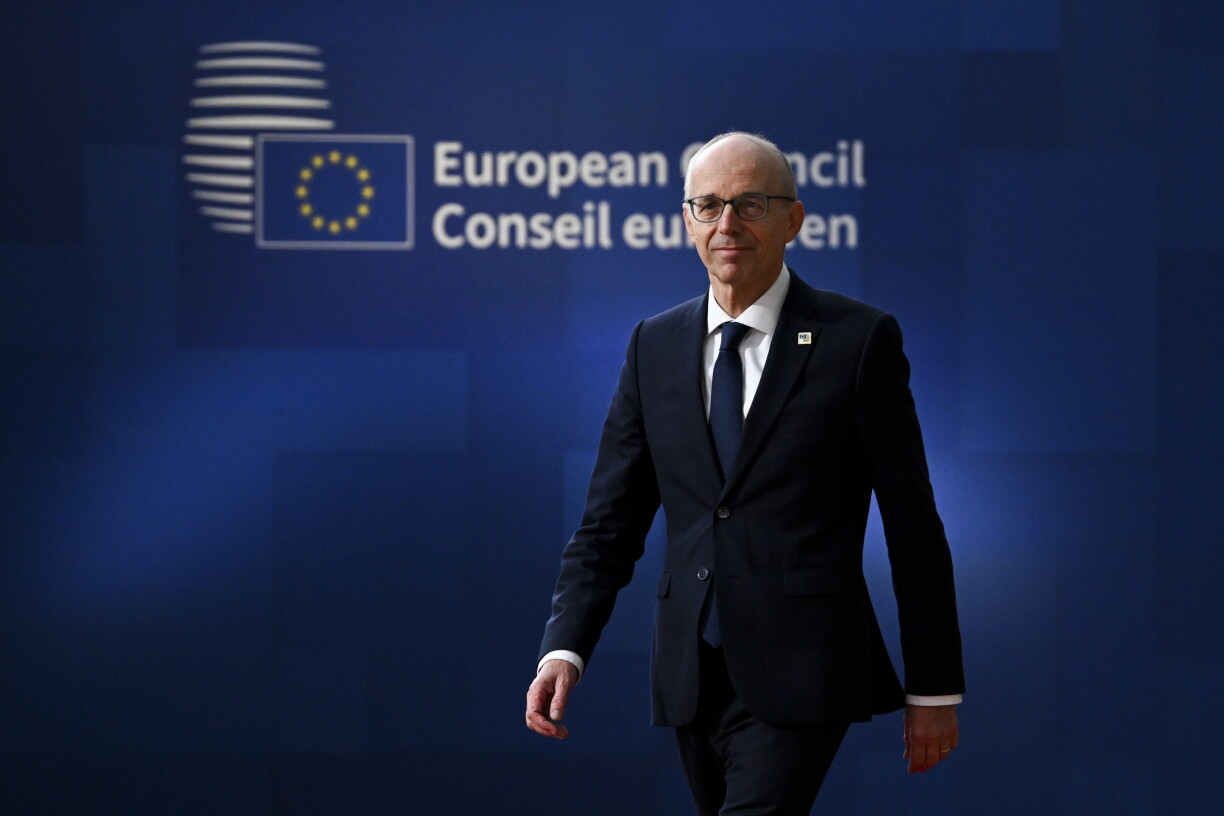
Prime Minister Luc Frieden positioned Luxembourg between the economically weaker countries that benefit most from a large EU budget, and the larger nations pushing for restraint.
He highlighted that Luxembourg’s government is working to lower taxes domestically. Therefore, it is clear that Luxembourg cannot cut corporate taxes at home and then agree to new corporate taxes at the EU level.
He intends to make this clear to his counterparts at the summit.
While talks so far have been constructive, Frieden does not expect major progress on the budget this week, emphasising the vast sums involved.
The Prime Minister says that while the EU needs an ambitious budget, what matters more is knowing how the money will be spent and where it will come from.
The budget will fund traditional areas such as EU cohesion and agricultural policies, supporting less developed member states.
But Frieden also wants to see investment in a modern, competitive Europe, encompassing innovation, research, space, satellites, renewable energy, and improved energy and rail connectivity.
Security in its various forms also remains a key priority, including external border protection and safeguarding against potential aggression.
On the revenue side of the equation, Frieden cautioned against constantly introducing new taxes.
Instead, he called for striking the right balance between having an ambitious budget without spending money carelessly.
He stresses that, above all, he does not want to burden people and businesses further, because that would undermine other goals.
Frieden also pledged to support the expansion of renewable energy and greater connectivity as a response to concerns about energy supply and prices.
He broke down Europe’s energy strategy into three essential dimensions: price, crucial for citizens and businesses; security, in terms of where supply comes from and dependence on foreign sources; and the climate dimension.
Frieden emphasises that all three dimensions, both in Europe and in Luxembourg, must be weighted equally.
While Luxembourg has made strides in renewable energy, Frieden acknowledged that the country remains dependent on certain foreign energy sources.
Discussions in Brussels are therefore focused on ensuring that Europe has sufficient supplies, increasing the share of home-grown energy, and diversifying import sources, not relying on just one or two suppliers.
Frieden underlined that Luxembourg must not lose sight of its climate targets either, especially in the wake of this summer’s extreme weather events.
He said that the country has a plan to achieve its climate goals, which is vital for the protection of the environment.
The government plans to consult with social partners on how to balance energy, security, and climate objectives when considering whether to extend the five-cent fuel tax reduction, due to expire at the end of the year.
He also noted again that recent tax measures are designed to boost net income for residents.





