
Here are five things you should know at the end of this week:
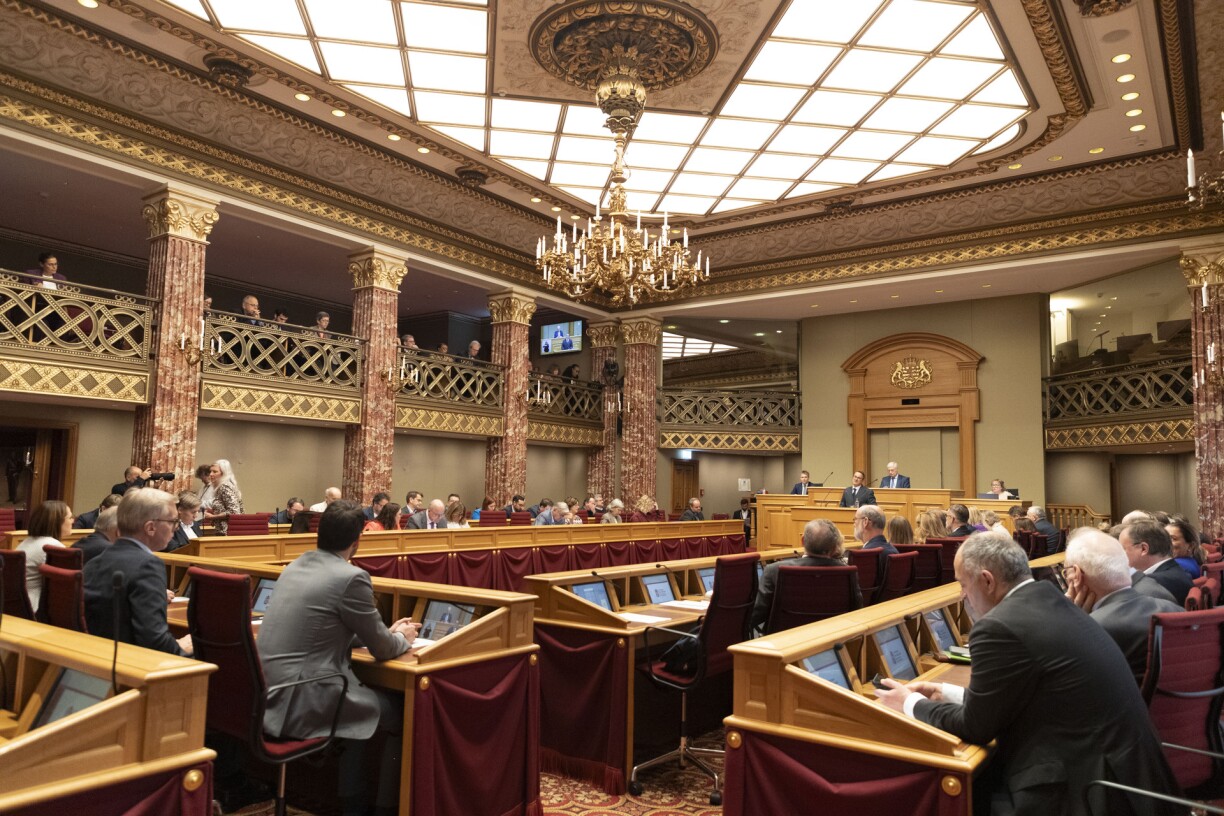
Overwhelming vote – The constitutional amendment was adopted after heated exchanges in parliament, particularly involving ADR faction leader Fred Keup. Forty-eight deputies voted in favour, while the five ADR MPs and DP MP Gerard Schockmel opposed the measure. Two CSV deputies abstained and four MPs were unable to vote because constitutional ballots do not allow proxies.
Compromise wording – The proposal originally came from The Left, which sought to enshrine abortion as a constitutional right. During negotiations, the wording was changed to a 'freedom' as part of a compromise with the CSV. The aim is to guarantee women's ability to terminate a pregnancy in accordance with the law.
Preventing rollback – Constitutional law expert Luc Heuschling has previously supported the move, saying it would help protect existing abortion legislation from future attempts to restrict it. He also noted that defining abortion as a freedom allows women to request the procedure while preserving doctors' right to refuse it on grounds of conscience.
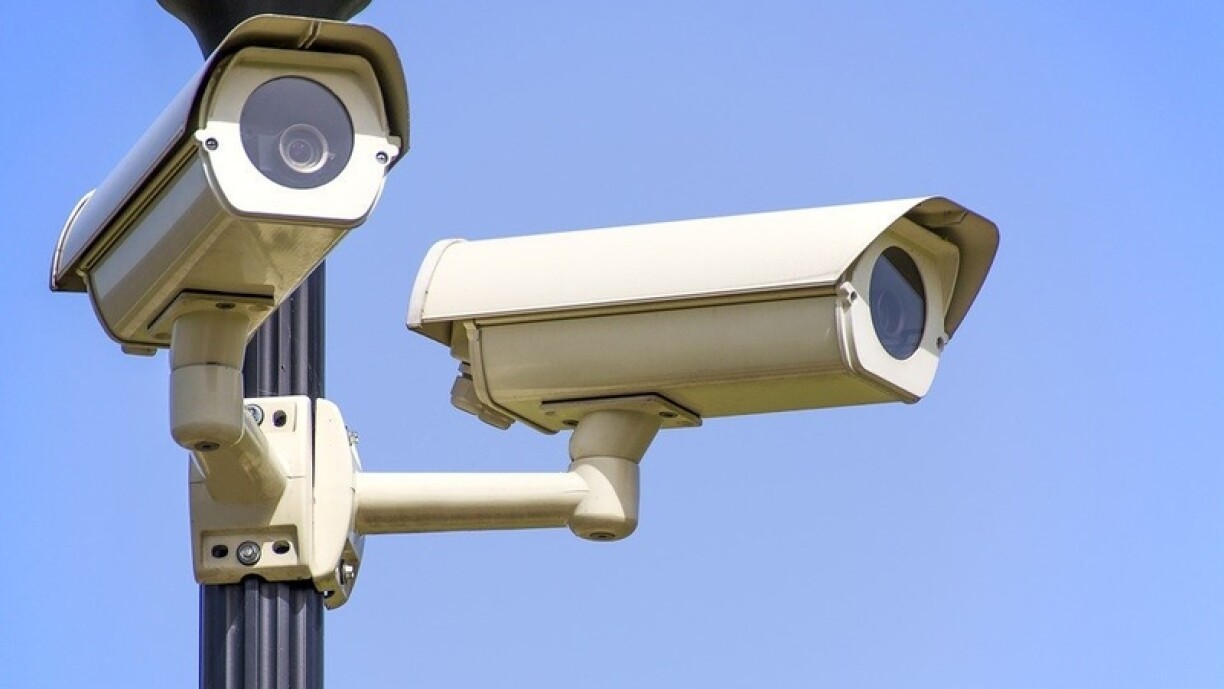
Major expansion – Luxembourg City currently operates 130 surveillance cameras in public spaces, but the approved expansion will significantly increase monitoring in the Gare district through the Visupol system. The plan, first announced by police a year ago, will add 110 cameras across roughly 30 streets and was formally approved by the municipal council.
Security debate – Supporters argue the measure will improve safety in a district with varied challenges and high activity. DP councillor Robert Philippart highlighted the presence of schools, shops, housing, services for vulnerable people and an active prostitution area, while stressing that strict rules apply and only public spaces will be monitored.
Broader concerns – Several councillors said surveillance should not be seen as a standalone solution. Critics questioned whether CCTV meaningfully reduces crime or simply helps investigations after incidents, while others warned that focusing on cameras risks neglecting long-term neighbourhood revitalisation and community life.
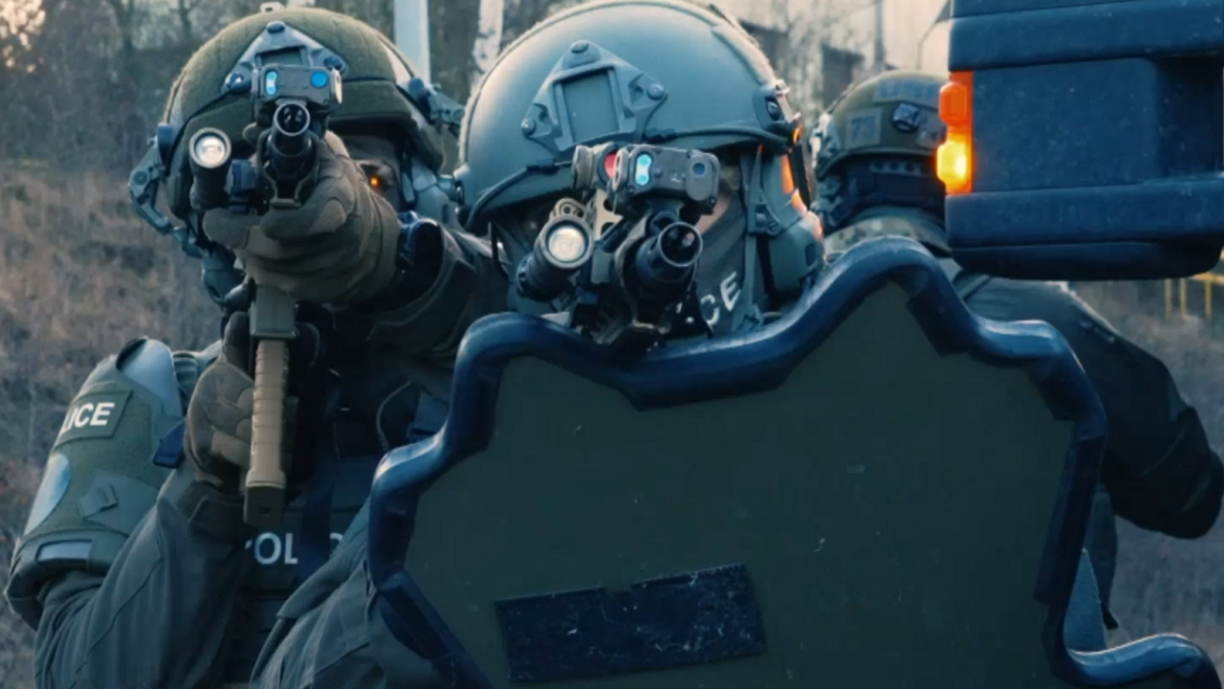
Armed operation – Residents in Rue du Cimetière were left shaken after armed officers, including a police special unit, raided a residential building in Bonnevoie. The search followed a report that a man had repeatedly been seen parked outside a refugee facility in Kirchberg while allegedly carrying a weapon. Acting on this information, the public prosecutor authorised searches of the suspect’s vehicle and home.
Medical episode – During the intervention, several occupants were temporarily detained. Among them was a woman five months pregnant with triplets, who said she was woken by officers pointing weapons at her before they realised she was expecting and escorted her outside. She was later taken to hospital after experiencing abdominal cramps and received medication, while prosecutors later confirmed that the unborn child was physically well.
Raid aftermath – Prosecutors confirmed the woman had not been a target of the search but was nevertheless affected by the operation, which involved searching the entire residential building. A neighbour whose door was damaged during the intervention said he was restrained and had a hood placed over his head for about an hour, during which he struggled to breathe. During the raid, officers discovered an unregistered firearm, an illegal cannabis plantation and counterfeit money, though the suspect had not been arrested.

US-Israel attack Iran – War erupted across Arab and Gulf states after the United States and Israel launched coordinated strikes on Iran last Saturday, targeting Tehran and its missile infrastructure. US President Donald Trump justified the strikes as a move to eliminate "imminent threats" of Iran's nuclear and missile arsenal. Iran's long-time supreme leader Ayatollah Ali Khamenei was killed during the strikes, as Trump openly speaks of aiming for regime change.
Iran in turn responded with missile strikes toward Israel and US military bases across the Gulf, raising fears of an escalation into regional war. On Monday, Lebanon's Hezbollah launched strikes on Israel, citing the killing of Khamenei, which since has led to a retaliatory ground invasion of the country.
In Lebanon alone, 102 have died from Israeli strikes, and 638 had been wounded as of Thursday evening. According to Iran's state media, 1,045 have died from the US-Israeli attacks, and over 6,000 have been wounded.
Global markets shaken – The war quickly affected global markets and regional economies: Shipping traffic through the essential Strait of Hormuz has come to a virtual standstill, leading to increased natural gas prices in Europe that are renewing fears of another energy crisis as the one triggered by Russia's invasion of Ukraine in 2022.
At the same time, the war has brought the Arab and Gulf's booming tourism sector to a grinding halt. Flights have been cancelled across the region as airspaces are closed, while travellers both in transit and on holiday have been stranded. Analysts are warning that the war could lead to significant losses in visitor numbers and overall tourism revenue.
Luxembourg has begun repatriations via Oman, with two flights bringing around stranded 200 passenger back to Findel; further evacuations are still being assessed amidst chaotic conditions on the ground.
Divided global response – International reactions have differed widely. Russia and China have sharply criticised the US-Israeli strikes, while many Western allies condemned Iran's retaliation and avoided directly criticising Washington. Within Europe, some governments backed the US objective of curbing Iran's nuclear potential through military intervention, while others pointed to it possibly violating international law. Broadly, EU leaders called for de-escalation and renewed diplomacy efforts.
As to Luxembourg, the response has mostly revolved around security and diplomacy. Prime Minister Luc Frieden described the situation as "extremely serious", warning of security and economic risks for Europe while insisting on Europe's diplomatic efforts over military involvement. In an interview, former foreign minister Jean Asselborn warned that historically speaking, regime changes forced through war have consistently failed and undermine international law.

Strategic shift – The planned measures come as the EU pushes to strengthen its industrial competitiveness after the Covid-19 pandemic and the energy crisis triggered by the war in Ukraine exposed vulnerabilities in global supply chains. Supporters argue the bloc must protect strategic sectors to ensure Europe maintains its industrial base.
Investment controls – Under the draft proposal, foreign investments of more than €100 million in emerging strategic sectors such as batteries and electric vehicles would face stricter conditions if they involve investors from countries controlling more than 40% of global manufacturing capacity. These rules would require majority European ownership, at least 50% EU workers, and the transfer of technological knowledge.
Debate ongoing – The proposal, backed strongly by France, still needs approval from EU member states and the European Parliament. While supporters see it as a necessary response to global competition and Chinese industrial dominance, sceptics warn the EU already has tools to counter unfair subsidies and caution against overly protectionist policies.
Your Weekly Recap is published every Friday at noon.
Read earlier versions here.





