"It is not profitable to do what is necessary" to prevent a global climate crisis, says Randers. The solution is to stop using fossil fuels like coal and gas, but this is more costly. "That's why progress is so slow."
The Club of Rome, a nonprofit organisation leading critical discussions on pressing global issues, had already warned of a climate crisis in 1972. But the world's response to its dangers has not changed, explains Randers, who stopped by RTL Television for an interview with Caroline Mart. The academic and climate strategist was invited to Luxembourg by the Ecological Movement to talk about Earth Overshoot Day, which Luxembourg marked in mid-February.
Randers says he was young and naive when he first started warning the world about the impacts of climate change.
"We believed that once we tell the world that there is a problem, then they would all listen and say: What should we do? We answered they should try to adapt and live in a sustainable manner...now that I'm 77 years old, I know it isn't that easy."
Burning oil and gas generates 70% of the climate problem, the expert says. "If we phased out the use in the next 30 years, that will slow the problem. We don't need to do anything else."
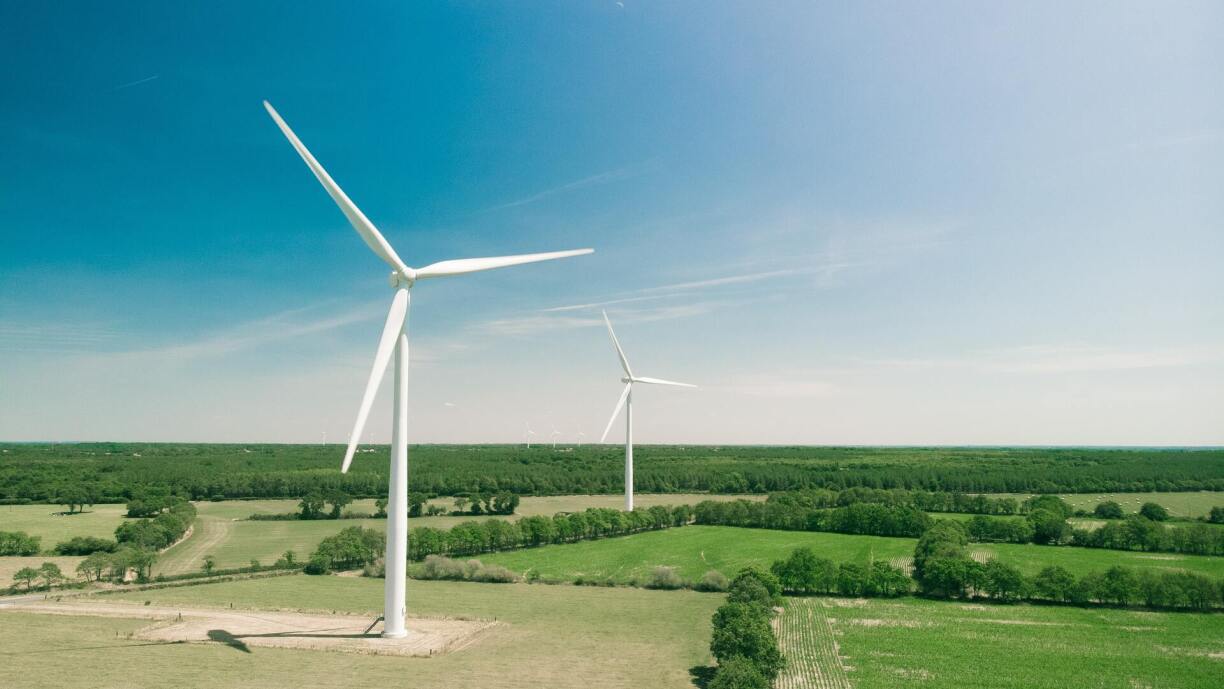
Do people have to radically change their way of living? They are being made to believe so by the people generating fossil fuels, Randers believes. "We just need another way of getting electricity and heat, namely from wind and the sun."
2-4% of labour would have to be shifted from "dirty activity" to cleaner energy production. For example, replace offshore oil platforms with floating windmills, suggests Randers. Even though Luxembourg does not have access to the sea, it could help invest in projects in Denmark, for example.
If the solution is so simple, why isn't it being done? "People hate taxes, and they don't like restructuring. They don't like to do the "green shift" from a safe job in the mine, to an uncertain job producing windmills", explains Randers, "the simple solution is for the government to buy windmills, make green hydrogen. But in order to do so they need to pay for these things to be done...and because it's difficult to get hold of this money, we are stuck".
50% of all wealth in nations is held by rich citizens, and therefore they must be taxed accordingly. "They can easily pay for the 2-4% needed to create the transition jobs", Randers proposes. Taxing a minority could bring up the necessary money.
The Club of Rome has another suggestion: Introducing a Supreme Climate Court, a small group of elected people with a veto right to decrease climate emissions. "I've been fighting for this for the past 5 years, but I'm being attacked for absolutely anything," says Randers.
Randers was criticised for proposing a one-child policy in 2016, where families with only one child would receive a subsidy. "I still think it's a very good idea. There's a great number of women who write me to say they really would've liked to receive €100,000 past the age of 50 for not having children. But rational proposals like this bump into the emotional feelings of people, so it is too early."
Luxembourg attracts motorists from the Greater Region for its lower fuel prices, but opponents of climate change will argue that pollution will remain the same, no matter whether people refuel here or abroad.
"If I were your minister of tourism, I would have banned cars. At the border you'd have to leave your car, and rent a car at the border...We simply have to ban the opportunity to pollute. Of course it is opposed by almost everyone, but this is an example of the type of thing you could easily do."
Luxembourg must stop using oil and gas, the heaviest carbon footprint, the expert underlines. The Grand Duchy must set an example and be a role model for the world.
"If the richest country in the world cannot demonstrate that they can live without oil and gas, how can we ask other people to do the same?".
There is no real deadline, says Randers. But by acting so slow we are "locking ourselves into a greyer and sadder future," says Randers. With temperatures increasing, there will be more floods and storms, as well as social inequality and conflict. "While this will not come to an end at a certain point in time, it's just going to get sadder."
Young people are the ones having to pay for the actions of their parents or grandparents. Does Randers find their protests legitimate? "A revolution must come from the young. I warmly welcome the strong action by the young. Then you must ask what they can do: Agree politically to tax the rich, and use that money to accelerate the transition out of coal and gas."
"The world will be saved. What we're trying to do is to save mankind."





