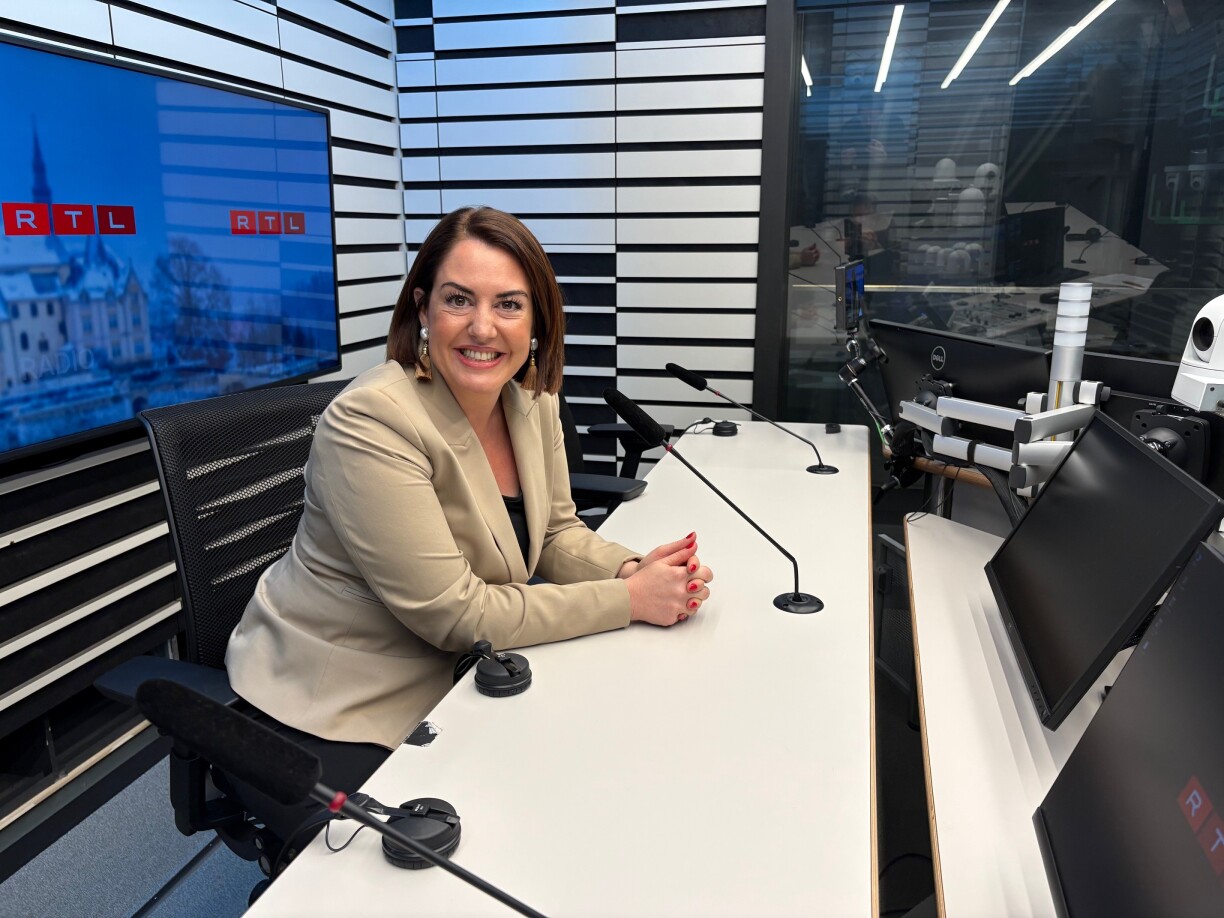
Alexa Ballmann, entrepreneur and Vice-President of the Federation of Craftspeople, discussed the challenges facing Luxembourg's craft sector on RTL Radio Thursday morning. The conversation highlighted the economic pressures of rising wages and housing costs.
Ballmann, who runs two beauty salons, argued that wage increases must be financially sustainable for businesses. "Wages in a business must be earned", she stated, adding that "the minimum wage is not there to make social policy". She noted that profit margins in the craft sector have shrunk from around 5% to perhaps 2% today.
She questioned how businesses could fund a higher minimum wage without triggering a counterproductive cycle. "It's clear that if wages go up, all services will go up", Ballmann said, citing examples like restaurants and hairdressers. The resulting price hikes, she argued, would negate the benefit for minimum-wage earners and exacerbate housing affordability issues. "Then we'll have achieved nothing again", she concluded.
Ballmann also addressed the sector's image, calling for a shift in perception. Crafts are often seen as a fallback option, she noted, but this should not be the case. Making skilled trades accessible "from any level" is key to attracting new talent.
A significant part of the interview focused on the new “DAP 1ère” programme, unveiled in January by Education Minister Claude Meisch and the Chamber of Skilled Trades and Crafts. Starting next academic year, this one-year intensive course will allow secondary school graduates to earn a Professional Aptitude Diploma (DAP).
Ballmann assured that the new programme does not compete with or dilute the classic three-year apprenticeship. The exams are identical, she explained, and the condensed timeline is possible because it is a full-time school programme that omits general subjects like math and languages, which students have already completed. She also described the target students as more "mature".
For Ballmann, this model fills a gap, offering a efficient pathway for graduates or career changers who would otherwise "lose years" to enter a trade.
When asked about calls from the Association of Master Craftspeople (Amelux) and the SEW/OGBL trade union for longer training periods in certain professions, Ballmann acknowledged that three years may be insufficient for some classic apprenticeships. She clarified, however, that this debate concerns different professions and the traditional system, not the new DAP 1ère programme.





