
Here are five things you should know at the end of this week:
attachment id="93940203" __caption="Weekly Recap - Bar_New - Today - ORION93"]

As of August 2023, the National Employment Agency (ADEM) recorded 16,056 resident job seekers, a 13.4% increase from August 2022, especially among those with higher education and young adults under 30.
Rise in resident job seekers - As of August 2023, the ADEM reported that there were 16,056 resident job seekers. This is a substantial surge of 13.4% compared to the figures from August 2022. The most affected groups in this rising trend of unemployment are individuals with higher education credentials and young adults under the age of 30. The increase is particularly concerning for these demographics as it highlights specific challenges they face in the current job market.
Unemployment benefits - The seasonally-adjusted unemployment rate for August 2023 has been calculated at 5.3%. Interestingly, this is slightly lower than the rate from the previous year, which stood at over 5.5%. Meanwhile, there has been a noticeable uptick in the number of people registering as job seekers, with an increase of 6.5% from last year.
Furthermore, the data indicates a significant rise in the number of resident job seekers receiving full unemployment benefits – a 24.5% year-on-year surge to be exact. This highlights that while some are finding employment, there is a substantial portion that relies heavily on unemployment benefits.
Job vacancies in decline - August 2023 saw a significant decline in the number of job vacancies reported to the ADEM, with a drop of 21.6% compared to August 2022. The sectors primarily affected by this decline include information and communication, financial and insurance activities, professional, scientific, and technical activities, along with administrative and support services. These fields are critical to the modern economy, and their decline suggests potential larger economic shifts or challenges.
Additionally, the overall number of job openings as of the end of August 2023 stood at 9,088, marking a considerable decrease of 32.5% on a year-on-year basis, further emphasising the tightening job market.

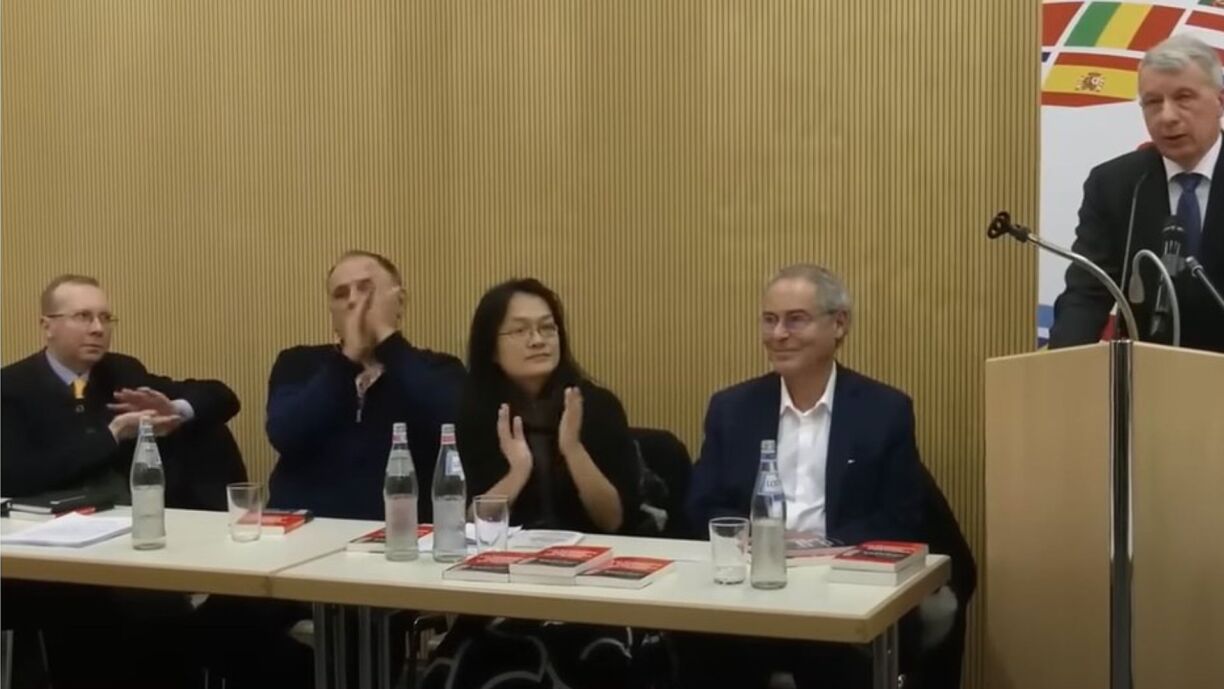
Anne-Marie Yim resigned from the Alternative Democratic Reform Party (ADR) due to her links with France's controversial far-right Civitas movement.
Civitas, known for its extreme views, is under scrutiny for allegations of anti-Semitism, and Yim faced criticism for her statements suggesting the Covid-19 pandemic was planned by Jews.
Despite the controversy, ADR's Fernand Kartheiser insists the party is moderate, emphasising its conservative but socially engaged stance, while Fred Keup denounced the timing of the report.
Yim's Resignation - Anne-Marie Yim, who held a significant position as the vice president of ADR International, found herself in the middle of a controversy when her affiliations with the far-right Civitas movement came to light. The connections between the ADR and France's Civitas party, which has been the center of significant controversy, underscore the increasing overlaps and blurred lines between pandemic skepticism and extremist ideologies, thus prompting Yim's decision to leave her post.
Allegations of antisemitism - Civitas, originally formed as a fundamentalist Catholic party in 1999, has recently come under serious scrutiny due to allegations of anti-Semitic remarks and affiliations. One of their representatives made an inflammatory suggestion during a university talk, claiming that French individuals of Jewish heritage shouldn't be eligible for citizenship. France is now poised to ban the movement due to these remarks.
Conservative but social - Amidst the wave of accusations and revelations, Fernand Kartheiser, a prominent figure within the ADR, attempted to distance the party from the extremist views associated with Civitas. While acknowledging the concerning events surrounding Yim and her subsequent resignation, Kartheiser emphasised the ADR's support for Israel in the Chamber of Deputies and their stance against human rights violations. He also tried to frame the ADR as a party that remains conservative while also being socially engaged, arguing that, on the international stage, the ADR falls on the moderate end of the conservative spectrum.
Similarly, the party's lead candidate Fred Keup accused the media of timing the report to intentionally hurt the ADR ahead of the upcoming national election.
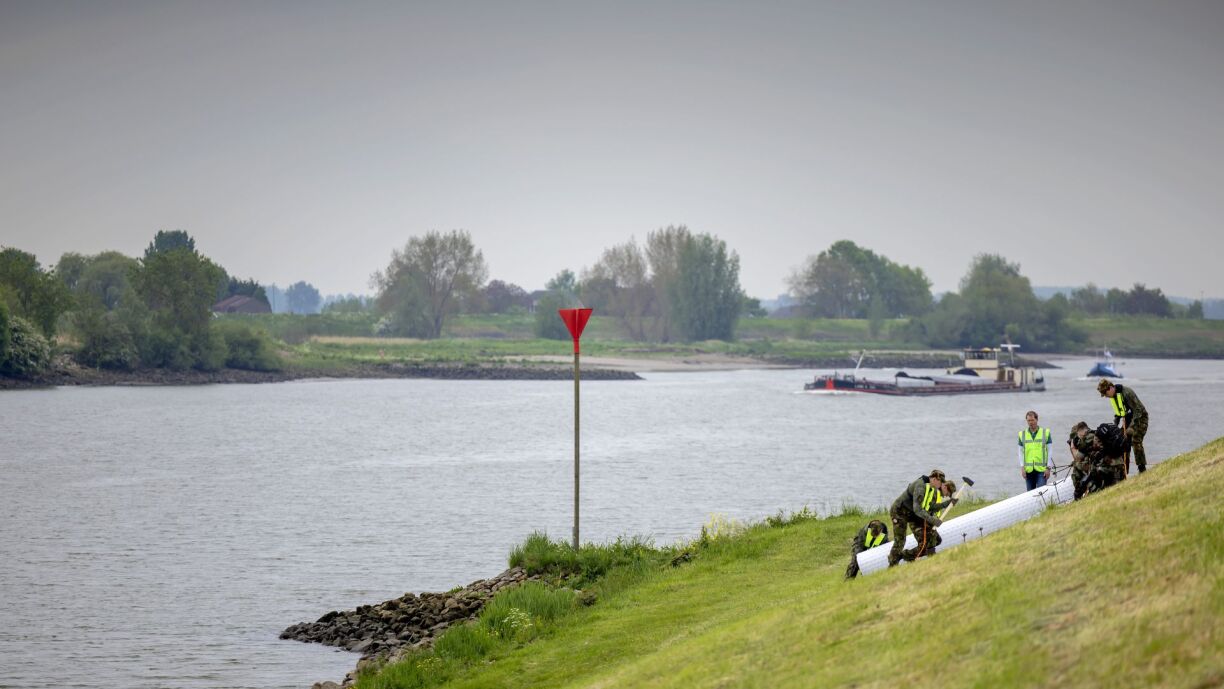
The German Federal State of Rhineland-Palatinate and Luxembourg have agreed on a harmonised approach for flood forecasting along the border rivers Our, Sûre, and Moselle.
Luxembourg's Water Management Authority will generate flood forecasts for specific river gauges, which will be adopted by Rhineland-Palatinate's State Office for the Environment, and vice versa.
Both regions stress the importance of cross-border collaboration for effective flood protection and preparedness.
Cooperation essential - The German Federal State of Rhineland-Palatinate and Luxembourg have recognised the need for a more cohesive and integrated approach to flood forecasting. Given the cross-border nature of rivers like the Our, Sûre, and Moselle, independent data and forecasts previously produced by each administration might lead to disparities and inefficiencies. Their agreement to streamline and harmonise these efforts reflects a recognition that natural phenomena, such as floods, do not adhere to human-defined borders, making cooperative strategies essential.
Labour division - An essential element of this collaboration lies in how each side is leveraging its strengths and resources. Luxembourg's Water Management Authority will now be responsible for creating flood forecasts for the river gauges on the Our and certain gauges on the Sûre. Conversely, Rhineland-Palatinate's State Office for the Environment (LfU) will handle forecasts for select Moselle gauges.
This division of labour ensures that each side can focus on specific areas, likely improving the accuracy and timeliness of the forecasts, which the other side will then adopt without modification. It is a practical approach that relies on trust and the mutual understanding of the importance of accurate flood forecasting.
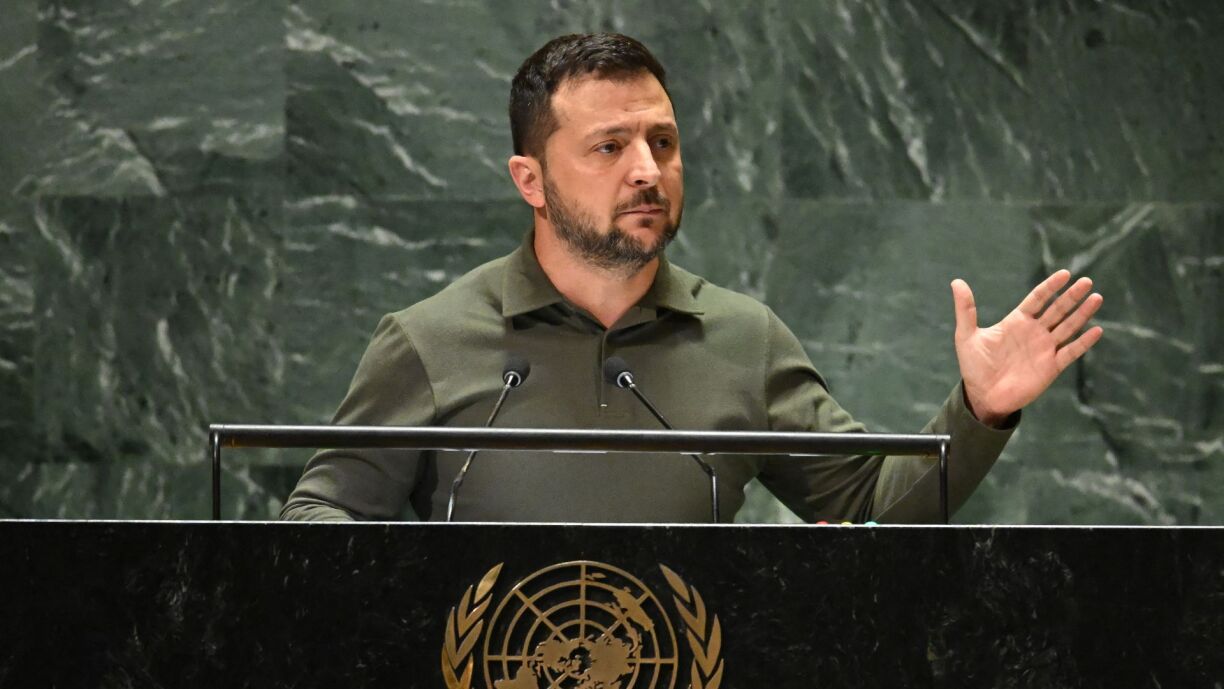
Addressing the UN Security Council earlier this week, Ukrainian President Volodymyr Zelensky condemned Russia's invasion of Ukraine and urged the removal of Russia's veto power.
Russian Foreign Minister Sergei Lavrov defended the legitimacy of Russia's veto, arguing it is a tool provided by the UN Charter, and criticized Zelensky for not negotiating.
The meeting highlighted divisions and tensions among world leaders regarding the war, with some advocating for negotiations and others emphasising the need to respect Ukraine's territorial integrity.
Zelensky's address - Ukrainian President Volodymyr Zelensky made a significant appearance at the UN Security Council, directly confronting Russia regarding its invasion of Ukraine. He characterised the invasion as "criminal" and "unprovoked aggression" with the intent of seizing Ukrainian land and resources.
Additionally, Zelensky put forth a strong argument to reform the Security Council, emphasising that Russia's veto power, which has often been used to block resolutions against its actions, should be revoked. He further argued that this power originally belonged to the Soviet Union, not Putin's Russia, and its continued presence represents a significant impediment to the UN's effective functioning.
Lavrov reluctant - In response to Zelensky's allegations and calls for reform, Russian Foreign Minister Sergei Lavrov appeared at the Security Council to defend Russia's position. Lavrov maintained that the veto power was a legitimate tool for member states, as prescribed by the UN Charter. He framed this power as a mechanism to counterbalance Western influences within the Council.
Moreover, Lavrov criticised President Zelensky for his reluctance or failure to engage in meaningful negotiations, hinting at an underlying accusation that Zelensky's stance is bolstered by Western powers, particularly the United States.
Opinions divided - The Security Council meeting unveiled the stark divisions and varied opinions of global leaders on the Ukraine-Russia conflict. While some leaders, such as Brazilian President Luiz Inacio Lula da Silva, urged for peaceful negotiations and dialogue, others, like German Chancellor Olaf Scholz, rejected the idea of a unilateral ceasefire, emphasising the importance of respecting Ukraine's territorial sovereignty.
The meeting became a stage for diplomatic tensions, even over procedural matters, as evidenced by Russia's dissatisfaction with Albania's decision to let Zelensky speak first, leading to a sharp exchange between Russian Ambassador Vassily Nebenzia and Albanian Prime Minister Edi Rama.
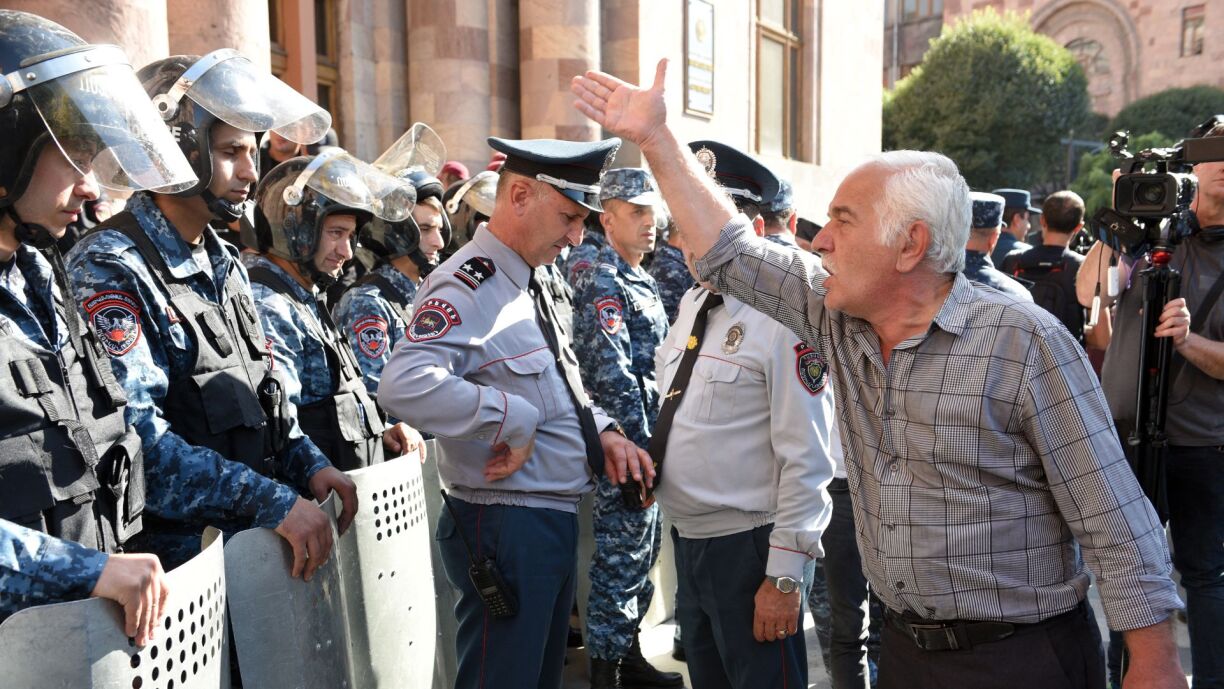
Thousands of Armenians have taken to the streets of Yerevan, demanding the resignation of Prime Minister Nikol Pashinyan after Azerbaijan swiftly reclaimed the contested Nagorno-Karabakh region.
Armenia and Azerbaijani separatists have begun peace talks over a Russian-brokered ceasefire, as concerns arose about the fate of the region's 120,000 ethnic Armenians.
Demonstrators felt abandoned by allies like Russia and the European Union, fearing for the future of their nation in the face of Azerbaijani advances.
Contested region - The swift victory of Azerbaijan in regaining control of Nagorno-Karabakh, a region that has been at the heart of conflicts for decades and is predominantly populated by ethnic Armenians, sent shockwaves throughout Armenia. In Yerevan, the capital, thousands took to the streets expressing their dismay, anger, and concern.
Their primary demand was the resignation of Prime Minister Nikol Pashinyan, who they believe failed to adequately defend the region and support the separatists, leading some to label him a "traitor".
Ceasefire - As the military conflict came to an apparent pause, Armenian separatists and Azerbaijan commenced their first direct peace negotiations. This development came about due to a ceasefire brokered by Russia. During these talks, Baku introduced a plan for the "reintegration" of Nagorno-Karabakh's ethnic Armenian population into Azerbaijan.
However, with the region home to approximately 120,000 ethnic Armenians, their future security, rights, and place within Azerbaijan became a pressing issue, especially for the demonstrators in Yerevan.
Sense of betrayal - The demonstrators' sentiments extended beyond their disappointment with their own government. There was a palpable sense of betrayal by their allies, especially Russia, which traditionally has close ties with Armenia but seemed to offer little assistance during this critical juncture. Additionally, the European Union's reliance on Azerbaijan for gas supplies, especially in the post-Ukraine war landscape, made Armenians feel further isolated and vulnerable. This led to feelings of despair among many, fearing that without external support, their nation's very existence might be under threat, especially if Azerbaijan pursues further territorial claims.
Business & Tech - The US Federal Reserve voted Wednesday to hold interest rates at a 22-year high while forecasting an additional hike before the end of the year to bring down inflation.
Science & Environment - Britain's Prime Minister Rishi Sunak on Thursday insisted he was "not slowing down efforts" to tackle climate change, a day after softening green policies aimed at achieving net zero carbon emissions by 2050.
Entertainment - 'Game of Thrones' author George RR Martin and other best-selling fiction writers have filed a class-action lawsuit against OpenAI, accusing the tech startup of violating their copyrights to fuel its generative AI chatbot ChatGPT.
Education - On Thursday, the University of Luxembourg marked its 20th anniversary with a grand celebration attended by Grand Duke Henri, highlighting the institution's achievements and setting forth its future priorities in medicine, sustainability, and digitalisation.
Demographics - On 1 January 2023, Luxembourg recorded a population of 660,809 individuals, an increase of 15,412 residents (2.4%) compared to the previous year.https://today.rtl.lu/news/world/a/2066108.html
European Council report - Luxembourg has shown substantial improvement in addressing racism and intolerance, but several issues remain, according to a new report by the Council of Europe.

Your Weekly Recap is published every Friday at noon. Read earlier versions.





