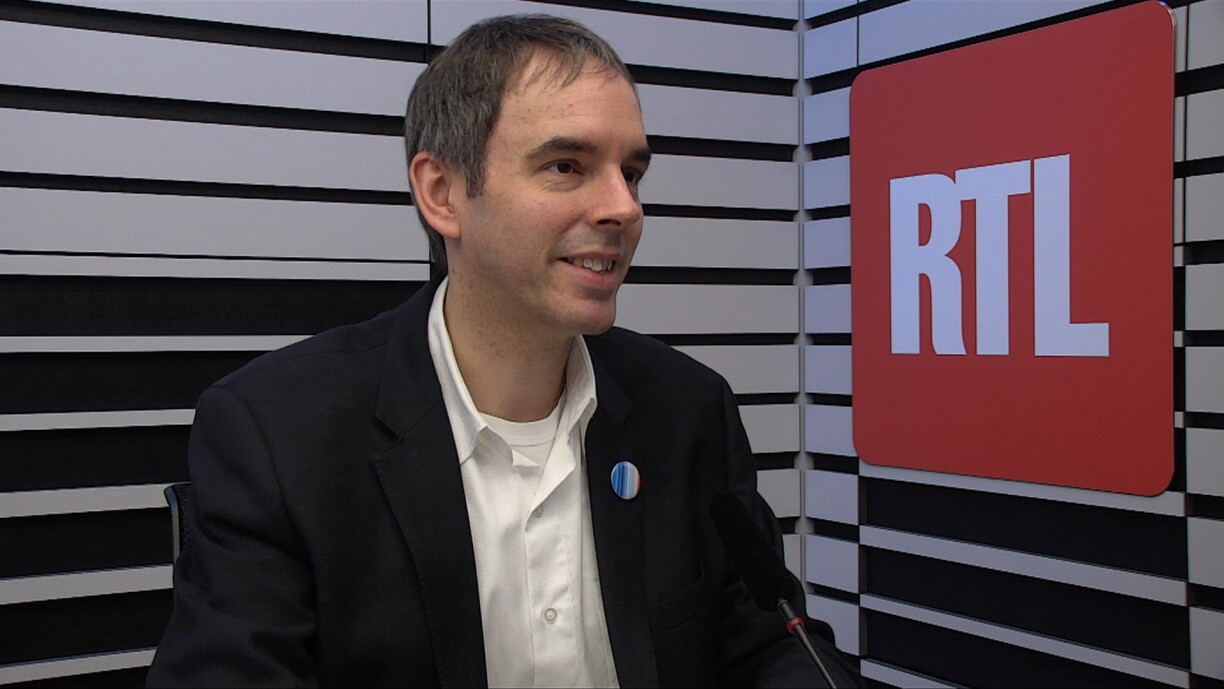
Ferrone explained that there is currently an exceptional situation unfolding in winter sports areas, noting that some Swiss regions still have little or no snow whatsoever.
In Luxembourg, temperatures in January 2023 were considered 1.7°C too high in comparison to the annual average. Although a single exceptional year cannot be considered proof of climate change, said Ferrone, it is still the case that temperatures are experiencing a long-term rise.
This in return means that the prevalence of snowfall below 1,500-2,000 metres above sea level will decrease, explained the climatologist. It is therefore to be expected that skiing regions in the Alps will shrink in size while those in the German Black Forest might disappear entirely, he warned.
The use of snow cannons is not a viable alternative solution, argued Ferrone. Artificial snow is mainly produced with fossil energy and uses significant amounts of water that can then no longer be used in the drinking supplies, he said.
The climatologist also drew attention to the impacts of melting glaciers on ecosystems, rivers in particular, which in return affect the supply of potable water and agriculture.
Ferrone elaborated that one cannot simply say that similarly warm winters already existed 30 years ago and that there is a difference between weather and climate. While the former varies from year to year, the latter unfolds over longer periods, such as decades, said Ferrone.
He further warned that extreme weather phenomena like heat and droughts will become more frequent.
According to the Intergovernmental Panel on Climate Change (IPCC), it is still possible to limit global warming to 1.5°C. Ferrone argued that this means we all share a responsibility and that individual action alone can already lead to an emission reduction of 70%.
The National Climate Observatory and the Luxembourg Institute of Science and Technology (LIST) carried out a joint analysis, which showed that CO2 emissions are 70% higher than official records indicate and that transportation in particular is responsible for large parts of it.
Ferrone finally stressed the importance of involving developing nations in the transition and having all relevant actors agree on a strategy at the world climate conferences.





