
Here are five things you should know at the end of this week:

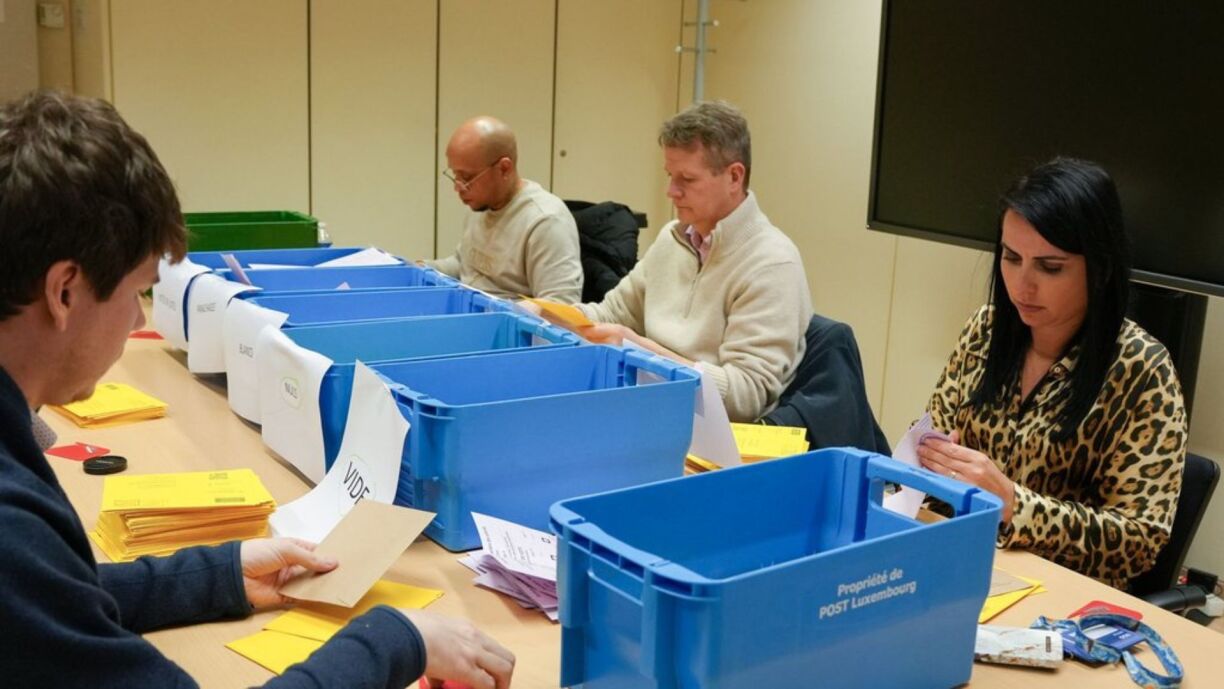
The social elections in Luxembourg saw free lists, or those not affiliated with any unions, winning around 56% of the votes across the country, becoming the dominant force in the employee delegations.
Clear winner – The so-called 'free lists', which are not affiliated with any established unions, emerged as the primary victors of the social elections, securing approximately 56% of the overall votes. This significant majority indicates a shift towards independent representation within companies, reflecting perhaps a growing desire among employees for more personalised or direct representation in workplace matters.
Mixed reactions among major trade unions – The Independent Luxembourg Trade Union Confederation (OGBL) and the Luxembourg Confederation of Christian Trade Unions (LCGB) experienced mixed fortunes in the social elections. The OGBL managed to secure 26% of the mandates, translating to around 4,000 total delegates, and declared itself as the primary victor, suggesting successful outcomes in specific companies where it may have achieved majority control.
Conversely, the LCGB faced challenges, particularly in the steel sector, with noted disappointments such as the loss of effective delegates in major companies like ArcelorMittal and Liberty Steel Differdange. Despite these setbacks, the LCGB had successes in other areas, such as securing a significant number of mandates in companies like Goodyear and Cargolux, indicating varying levels of influence across different industries.
ALEBA gaining ground – ALEBA, the Luxembourg Association of Bank and Insurance Employees, regarded the social election results as remarkable for their organisation, as they managed to secure around 350 effective mandates, equivalent to 4% of the total mandates available. This achievement is notable for ALEBA, as it represents a significant expansion of its influence beyond its traditional stronghold in the banking sector, reaching into a wider array of sectors within Luxembourg's economy.

The Ministry of Health has ordered private radiology centre 'Hygie Imagerie' in Esch-sur-Alzette to cease scanning for non-compliance in using a CT scanner and mammography apparatus, leading to patients being redirected to main hospitals.
The Centre Hospitalier Emile Mayrisch (CHEM) may collaborate with the suspended private radiology centre to ensure future compliance and patient care.
Both the Alternative Democratic Reform Party (ADR) and the Pirate Party have raised questions to the Health Minister following the suspension and ongoing discussions for rectification and compliance with legal standards.
Negotiations unsuccessful – The Ministry of Health has taken action against 'Hygie Imagerie', a private radiology centre located in Esch-sur-Alzette, due to concerns over non-compliance with regulatory standards concerning the use of CT scanners and mammography apparatus. This decision was made after a period of ongoing discussions between the ministry and the radiology centre had failed to resolve the issues.
As a result, the centre's operations involving these devices have been suspended, and patients who had previously scheduled appointments for CT scans or mammograms are being redirected to the four main hospitals in Luxembourg. The redirection process is prioritized based on the urgency of each patient's medical needs.
CHEM collaboration floated – In light of the suspension, there are ongoing discussions about a potential collaboration between the CHEM and 'Hygie Imagerie'. Health Minister Martine Deprez mentioned that an agreement could be reached to ensure the private centre meets legal and health standards in the future.
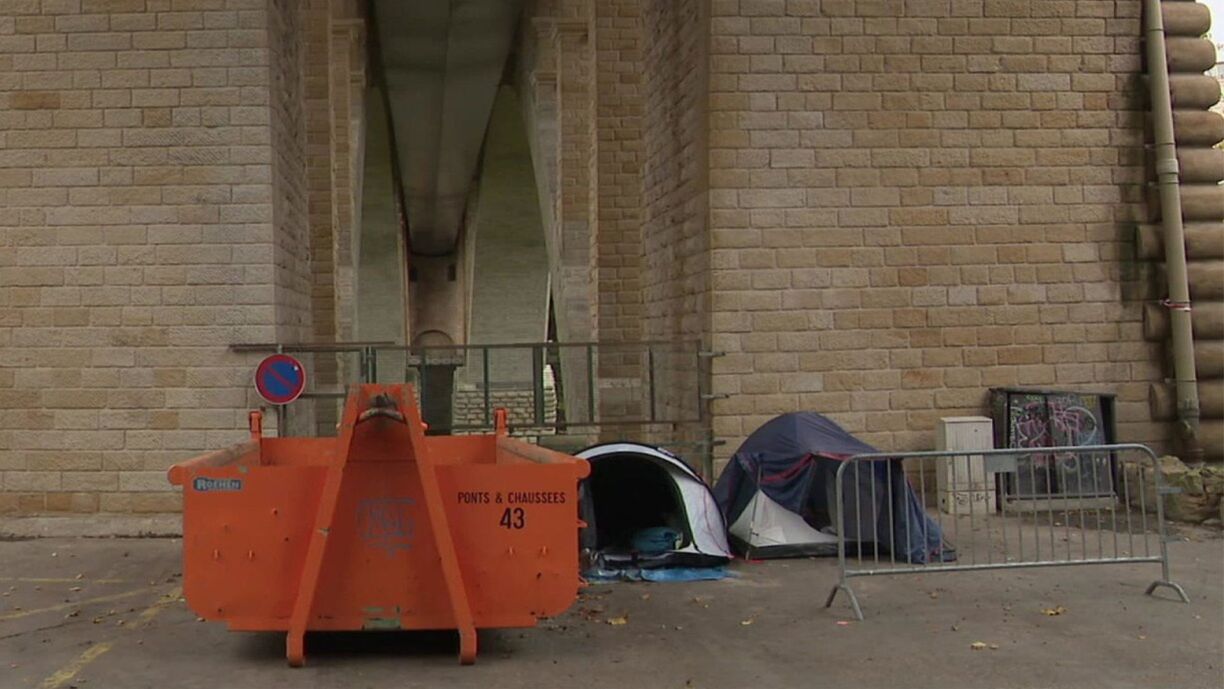
The Luxembourg Administrative Court ordered the State to provide housing for a homeless asylum seeker, marking a significant human rights milestone according to the non-profit organisation 'Passerell'.
The ruling is a precautionary measure, emphasising the State's duty to accommodate asylum seekers until a final decision is made in their cases.
This is the first time a Luxembourg judge has recognised the inherent vulnerability of applicants for international protection, mandating the provision of housing to safeguard their human rights.
Background – The Luxembourg Administrative Court has mandated the State to ensure housing for a homeless asylum seeker, responding to a plea by the non-profit association Passerell. This ruling came after the individual, seeking international protection, was told by the director of the National Reception Office (ONA) that there was no available accommodation due to full capacity, leading to the individual's homelessness.
Humanitarian needs – The court's decision serves as a precautionary measure, underscoring the responsibility of the Luxembourg State to provide housing for asylum seekers pending the final judgment of their applications. This precautionary nature emphasises that while the legal obligations of the State are being assessed, immediate humanitarian needs, such as shelter, cannot be neglected.
Legal precedent – This landmark ruling represents the first instance where a Luxembourgish judge has acknowledged the inherent vulnerability of individuals applying for international protection. By mandating the State to provide housing, the court has set a significant precedent that reinforces the importance of protecting human rights for this group.
Anke Vandereet, a Human Rights Officer at Passerell, highlighted the importance of this decision as a critical moment for human rights in Luxembourg, signalling a shift towards greater recognition and support for the needs and vulnerabilities of asylum seekers.
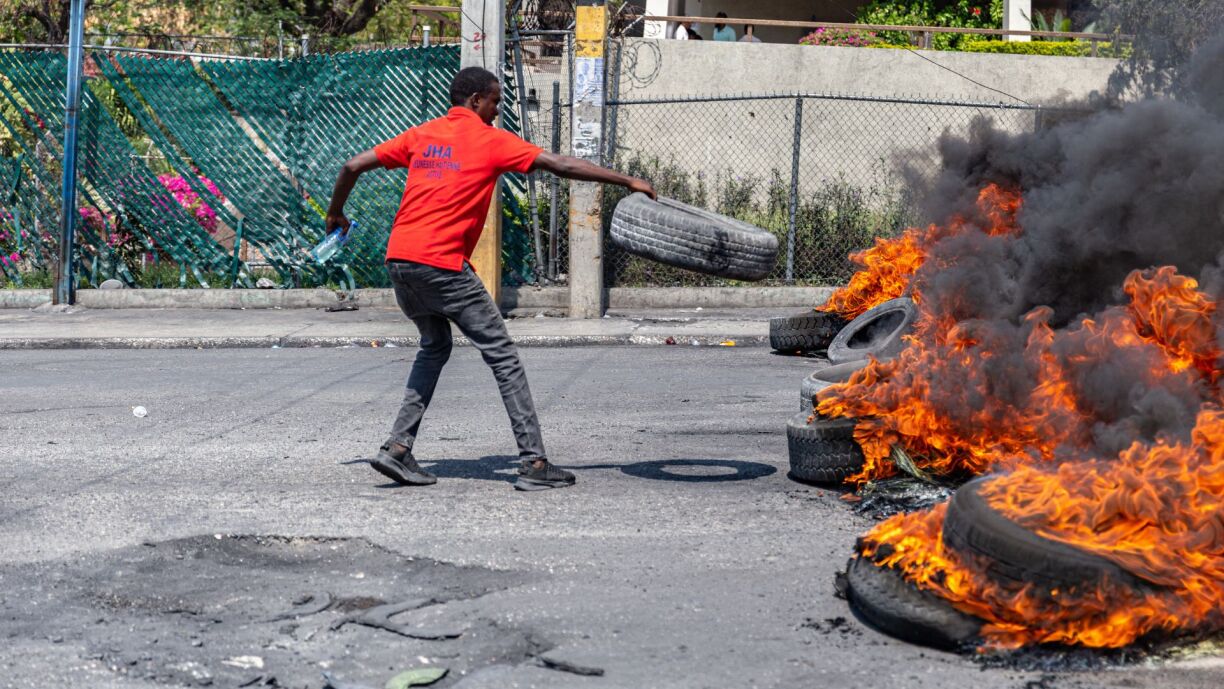
Haiti's capital experienced renewed violence as gangs set a police official's house on fire, breaking a short period of calm and escalating a conflict that threatens civil unrest and famine.
Prime Minister Ariel Henry agreed to step aside following international talks, leading to the formation of a Transitional Presidential Council aimed at restoring order, although gang leader Jimmy 'Barbecue' Cherizier vows to continue fighting.
Despite the political efforts to form an interim government, lawlessness prevails with no elections since 2016, while misinformation about the crisis spreads online.
Escalating violence – Port-au-Prince has seen a resurgence of violence after a brief period of calm, signalling a breakdown in social order amid ongoing gang conflicts. The recent incidents include automatic gunfire, looting, and the arson of a police official's residence, which underscores the deteriorating security situation.
This has led to an extension of the nighttime curfew by Haitian authorities in a bid to contain the unrest, but the city remains largely under the control of well-armed gangs, who have been emboldened in their efforts to oust Prime Minister Ariel Henry.
Transitional Council – In response, PM Henry has agreed to resign, a decision made after an emergency meeting with international and regional stakeholders, including representatives from the US, UN, and Caribbean nations. This meeting resulted in the blueprint for a Transitional Presidential Council intended to guide Haiti towards stability and prepare for elections.
The council is expected to consist of seven voting members from various political factions and the private sector. However, the process has been complicated by disagreements and the steadfastness of certain gang leaders like Cherizier, who have continued to agitate for change despite Henry's resignation.
Long-term instability – Haiti's crisis is deepened by its political vacuum, with no elections held since 2016 and the presidency left unfilled after the assassination of President Jovenel Moise in 2021. Ariel Henry, who was appointed just before Moise's assassination, has been leading the country amid increasing disorder marked by kidnappings, sexual violence, and rampant gang warfare.
Meanwhile, Henry finds himself stranded in Puerto Rico, unable to return and formalise his resignation amidst constitutional challenges.
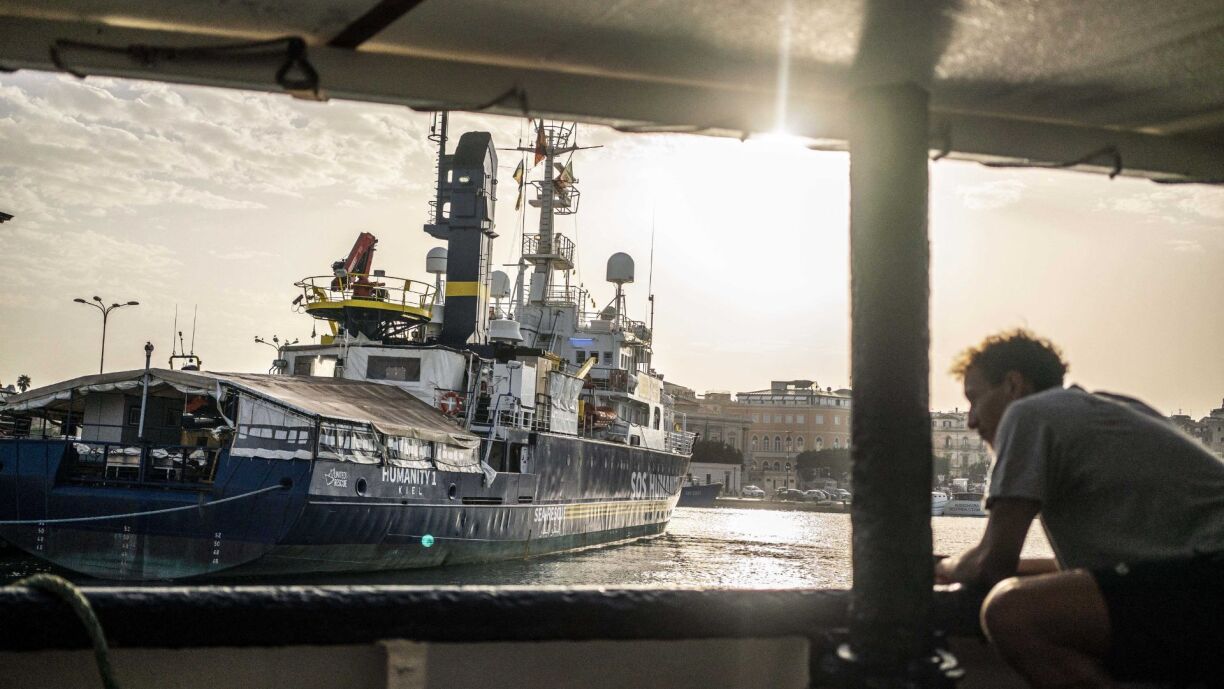
A Spanish charity boat set sail from Cyprus to Gaza, carrying aid in an attempt to establish a maritime corridor amidst worsening humanitarian conditions in Gaza due to the ongoing war, with the death toll from malnutrition and dehydration rising.
The United Nations and various countries are attempting to deliver aid through different routes, including airdrops and sea shipments, as land routes face restrictions, exacerbating the food crisis in Gaza.
The ongoing conflict has devastatingly impacted children, with the UN reporting more child fatalities in Gaza in recent months than in four years of global conflicts combined, highlighting the urgent need for humanitarian aid and a ceasefire.
Maritime corridor – The Spanish charity boat Open Arms, embarked from Cyprus to the besieged Gaza Strip, aims to establish a maritime corridor for delivering desperately needed humanitarian aid. This initiative comes as a response to the deteriorating conditions in Gaza, exacerbated by over five months of conflict.
Israeli security measures – In response to the escalating humanitarian crisis in Gaza, the international community has been exploring various avenues to deliver aid. The constrained land routes, primarily due to Israeli security measures, have led to a significant reduction in the flow of goods, prompting the use of alternative methods such as airdrops by Jordan and the United States, and sea shipments like the one undertaken by Open Arms.
Despite these efforts, UN officials have stated that these methods are not sufficient replacements for the extensive land access necessary to address the vast needs of the Gazan population.
Harrowing figures – The conflict in Gaza has had a harrowing impact on the civilian population, particularly on children. The UN has reported an unprecedented number of child fatalities in the region, surpassing the total number of children killed in various global conflicts over the past four years.
This stark statistic underscores the dire situation in Gaza and the urgent need for international intervention to secure a ceasefire and provide immediate humanitarian assistance to those affected, especially innocent children caught in the crossfire.
Business & Tech – Elon Musk on Monday said he would make his Grok chatbot, a rival to ChatGPT, open source as his feud with OpenAI deepens.
Science & Environment – Planet-heating methane released by the fossil fuel industry rose to near record highs in 2023 despite technology available to curb this pollution at virtually no cost, the International Energy Agency said Wednesday.https://today.rtl.lu/news/world/a/2066108.html
Entertainment – The US House of Representatives overwhelmingly approved a bill on Wednesday that would force TikTok to sever ties with its Chinese parent company or be banned in the United States.
Gender equality – Luxembourg City joins the 'Affichons l'égalité' initiative by giving eight streets honorary names to commemorate influential women who challenged gender stereotypes, addressing the current disparity where only 54 out of 455 streets are named after women.
Paris Olympics – The Luxembourg National Railway Company (CFL) has unveiled a new offer that will enable commuters to travel from Luxembourg to the Olympic Games in Paris.https://today.rtl.lu/news/world/a/2066108.html
Crisis management – The Ministry of Home Affairs invites the public to participate in the trial phase of the upcoming 'lu-alert.lu' website, aimed at providing timely alerts during crises or disasters.

Your Weekly Recap is published every Friday at noon. Read earlier versions.





