
Here are five things you should know at the end of this week:
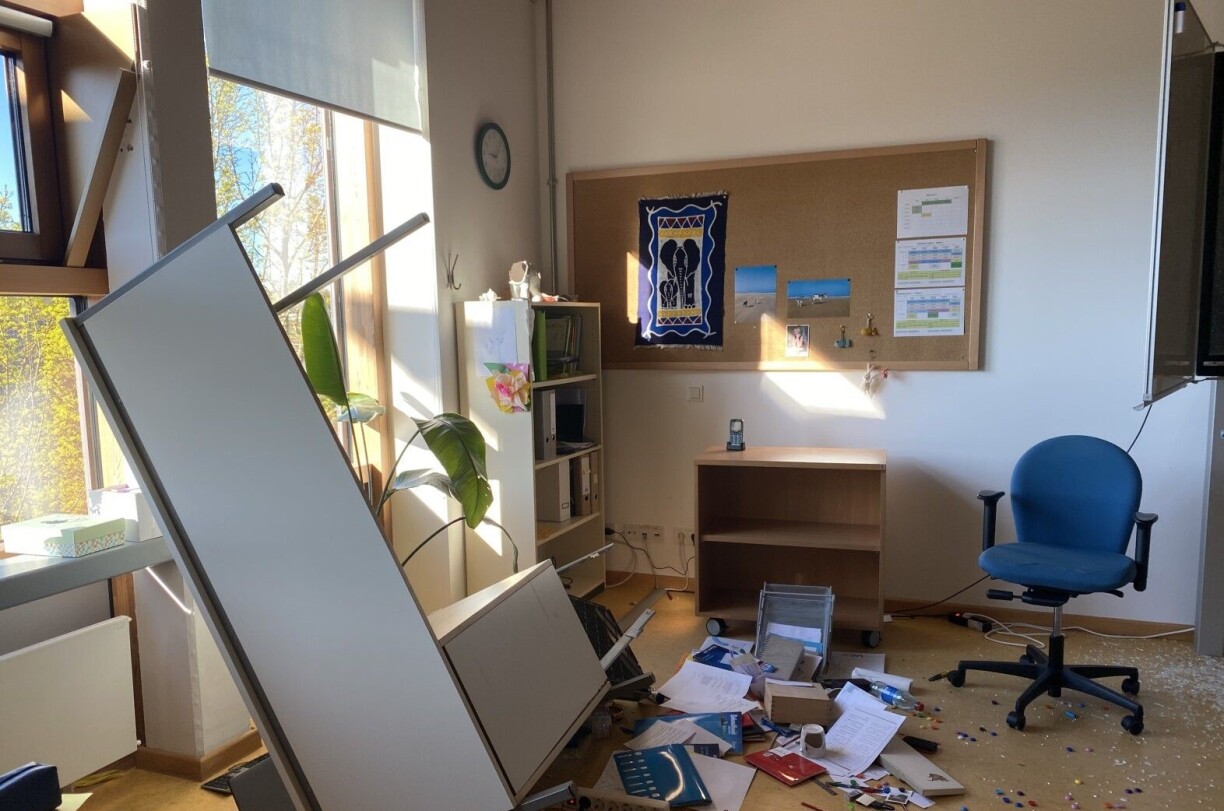
Major destruction – The break-in left a trail of destruction throughout the school, with nine classrooms completely ruined. Perpetrators are believed to have spent significant time inside the building, moving from room to room and deliberately damaging equipment such as computers, screens and other materials, often using fire extinguishers.
No suspects yet, despite surveillance – Local officials highlighted that the attack was not an isolated case, pointing to previous vandalism in the area, including damage to public buildings and facilities. Despite surveillance cameras on site, no suspects were captured, and the exact point of entry remains unclear, though it is thought access was gained through a window or door.
Investigation launched – Authorities have filed a formal complaint and launched an appeal for witnesses, urging anyone with information to contact police. Forensic teams and insurance assessors are now working on-site, while cleaning efforts are underway, with officials confirming the school is expected to reopen as normal after the Easter break.
Update: On Friday afternoon, the Public Prosecutor's Office announced in a press release that three minors had been identified and questioned in relation to the incident.

Nearly two centuries – The Emaischen market once again filled the Fëschmaart with visitors enjoying sunny Easter Monday weather, as the long-running tradition marked its 197th edition. At the heart of the event were the Péckvillercher, the small clay bird whistles that remain a defining symbol of the celebration and continue to attract both collectors and casual buyers each year.
Traditional craftsmanship – Across 22 stalls, artisans presented a wide range of designs, from classic angular shapes to more colourful, modern interpretations. Crafting the whistles is a detailed process involving moulding, refining, tuning, and painting, with makers emphasising that both appearance and sound are essential. Some vendors also used proceeds to support social initiatives, adding another layer of meaning to the tradition.
Tourism spike – The event formed part of a busy Easter weekend that signalled a strong start to the tourist season in Luxembourg City. Thousands of visitors explored the capital, with guided tours, family activities, and major sites like the casemates drawing significant interest, while online traffic and visitor numbers reflected growing international appeal.

Strict conditions – The eviction followed the end of a three-year agreement with the Foundation for Access to Housing, which includes strict conditions requiring tenants to actively engage with social services and work towards improving their situation. Despite a six-month extension and increased support, the foundation said the family did not fulfil their commitments, leading to the decision not to renew their contract.
Ongoing search – After handing over their keys at the end of March, the family left before the official eviction to avoid distressing their children. They are now staying in temporary accommodation, where conditions are limited, while continuing their search for housing. The parents have contacted numerous estate agencies, but say requirements such as permanent contracts and monthly incomes of €7,000 to €8,000 for a three-bedroom home make securing a flat nearly impossible.
Long lists – Local authorities in Steinfort have been informed and are working with social services to find solutions, but no permanent housing is currently available. With around 1,600 families on waiting lists and limited supply, the case highlights ongoing challenges in accessing affordable housing, even as support structures remain in place.

Mediating power – Pakistan has positioned itself as a key mediator between the United States and Iran, helping secure a temporary two-week ceasefire and offering to host peace talks in Islamabad. Prime Minister Shehbaz Sharif presented this as a major diplomatic success, highlighting Pakistan’s unique ties with both countries. These ties stem from historical, cultural, and strategic relationships with Iran, as well as evolving political and military links with the US. Pakistan has also balanced its role carefully with other regional powers like Saudi Arabia and China while maintaining neutrality to protect its economic interests. If negotiations proceed, Pakistan is expected to facilitate dialogue and help both sides reach a longer-term agreement.
"Strategic failure" – The ceasefire is widely seen by analysts as a setback for Israel, as key goals like weakening Iran’s nuclear program, missile capabilities, and regime remain largely unmet. Critics, including opposition figures, call it a strategic failure, though Prime Minister Netanyahu is expected to frame the conflict as a partial victory while uncertainty continues around future negotiations and regional tensions.
Risky crossing – Allthough the first ships have crossed through the Strait of Hormuz, traffic remains extremely limited despite the ceasefire, as most vessels avoid the route due to ongoing safety concerns and uncertainty. While Iran and the US signal a reopening, risks, unclear rules, and possible fees are keeping global maritime traffic cautious.
In the meantime, residents of Tehran have reacted to the US-Iran ceasefire with mixed emotions, combining relief after weeks of war with uncertainty about what comes next. While some feel pride and see it as a victory, others remain fearful or disappointed, worrying that the truce may not bring meaningful change or long-term stability.

Excluded from truce – Lebanon under fire as ceasefire excludes them – The agreement does not cover Lebanon, where Israel has continued heavy strikes, including in Beirut, causing mass casualties and widespread destruction.
Massive destruction – With over 200 killed and around 1,000 wounded, the violence has drawn strong international criticism, but US Vice President JD Vance has backed Israel’s stance, reinforcing divisions and increasing pressure on the fragile ceasefire.
International law violation – Volker Turk, United Nations’ High Commissioner for Human Rights, has described the scale of the killings and destruction as "nothing short of horrific," explaining that civilians and civilian infrastructure should be spared according to International humanitarian law.
While Israel dismisses calls to include Lebanon in the ceasefire, Iran's president has said that a truce in Lebanon is a core condition to end the war.
Addressing the issue, US Vice President JD Vance described the dispute as a “legitimate misunderstanding,” saying he believes Iran expected Lebanon was part of the agreement, while maintaining it was not included. Pakistan Prime Minister Shehbaz Sharif said on X that the ceasefire included "Lebanon and elsewhere".
Your Weekly Recap is published every Friday at noon.
Read earlier versions here.





