
Here are five things you should know at the end of this week:

Details of the incident – Police discovered the body of a 27-year-old Belgian man late on Sunday evening in a single-family home in Merl. According to details released by the public prosecutor's office, the victim had been attacked with a knife during a meal at the property, which he had been invited to by a 27-year-old French national. Authorities say there was no apparent prior connection between the two men before this meeting.
Investigation and arrest – The public prosecutor's office confirmed that the French suspect was arrested and has since been placed in pre-trial detention. The examining magistrate ordered a forensic examination and an arrest warrant; a psychiatric analysis of the suspect also underway. The criminal police and homicide squad are leading the inquiry.
More questions than answers – Neighbours reported a significant police presence late Sunday and described the incident as frightening. The building has been sealed off as investigations continue. Authorities have not established a motive, and there are no indications that the victim provoked the attack. The prosecutor's office emphasised that the presumption of innocence applies as the case develops.

Record millionaire concentration – According to the UBS Global Wealth Report, Luxembourg now boasts the highest proportion of adult millionaires worldwide, with nearly one in six adults holding assets worth over one million US dollars. This milestone places Luxembourg ahead of Switzerland and Hong Kong, highlighting the Grand Duchy’s exceptional wealth concentration relative to its population size.
Wealth growth outpaces global trends – Global personal wealth rose by 10.8% in 2025, but Luxembourg’s millionaire population grew even faster, up by 13.5% compared to the previous year. Over 70% of Luxembourg residents now have assets exceeding $100,000, a figure that surpasses Australia and Belgium, reflecting robust financial growth and favourable economic conditions.
Investment culture and incentives – UBS notes that the high number of millionaires in Luxembourg is not solely due to economic power, but also factors like home-ownership, private retirement savings, and tax incentives. The prevailing investment culture in Luxembourg appears to have fostered an environment where personal wealth can flourish, setting new records for both millionaire density and overall affluence.

Sculptor held responsible – The court found the main sculptor responsible for the fatal collapse, sentencing him to a 12-month suspended prison term and a €5,000 fine. His colleague received a nine-month suspended sentence and a €1,500 fine. All other defendants, including Luxembourg City employees and staff from the Luxembourg City Tourist Office (LCTO), were acquitted of involuntary manslaughter charges.
Trial details and legal arguments – The trial examined whether responsibility extended beyond the sculptors to municipal and LCTO staff. Defence lawyers argued that only the sculptor could have foreseen the risk, while prosecutors focused on who specifically made errors or omissions. The court ultimately agreed that other parties lacked the necessary information to prevent the tragedy, leading to their acquittal.
Compensation and future accountability – The family of the young victim was awarded just over €250,000 in damages, significantly less than the €700,000 originally sought. The case has prompted debate about accountability and safety standards for public installations. A bill under discussion could, in future, allow municipalities to be prosecuted as legal entities, potentially changing how responsibility is assigned.
Giant-killing and business as usual – Paraguay stunned four-time champions Germany by winning on penalties, handing Germany their first ever World Cup shoot-out defeat – a loss that led to Julian Nagelsmann's resignation as the footballing colossus faces an identity crisis. The south-americans will now face number one favourite France, who strolled past Sweden in an impressive display of attacking prowess, as did Spain later in the week.
Morocco advanced after a tense shoot-out win over the Netherlands, while Brazil and Portugal both needed late goals to edge past Japan and Croatia respectively. VAR decisions and missed chances added to the tension in several fixtures.
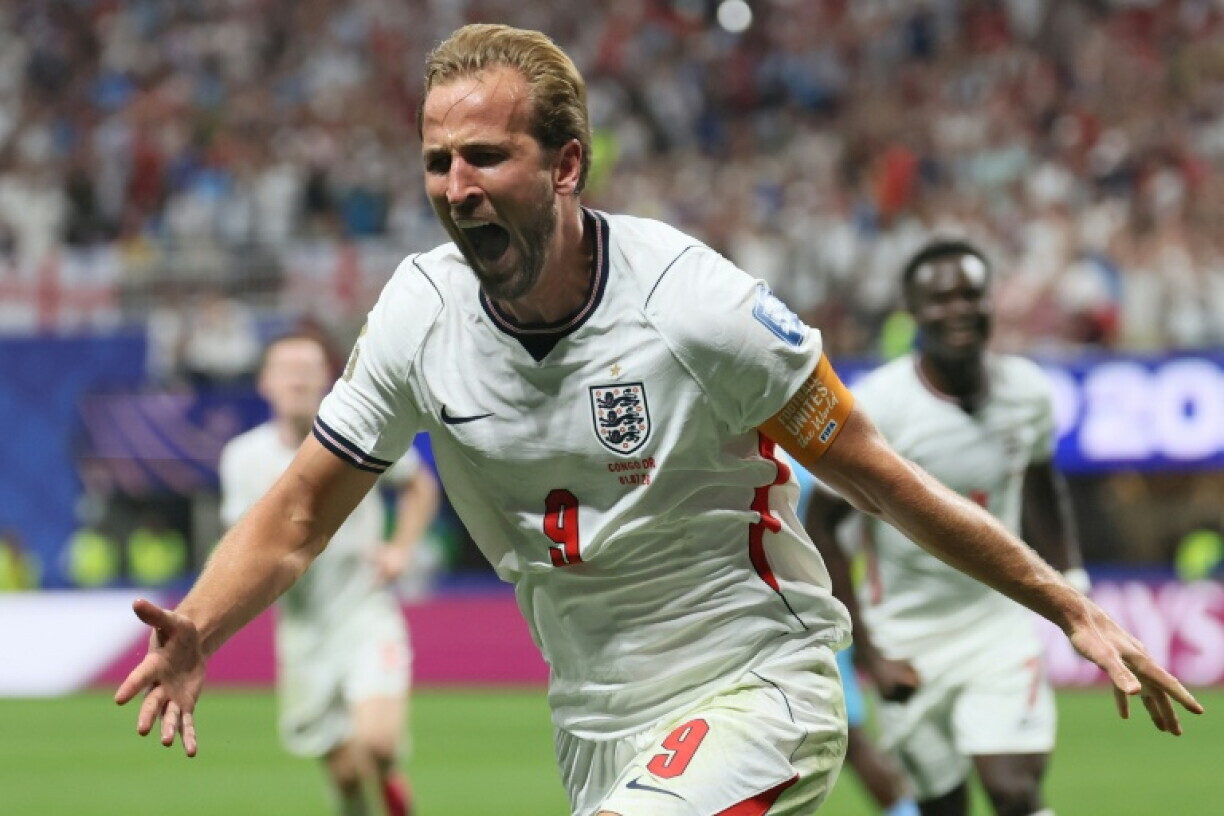
Not for the faint-hearted – This week’s World Cup action saw England and Belgium both pull off remarkable late turnarounds. National hero Harry Kane scored twice in the last 15 minutes to rescue England against DR Congo, while Belgium came from two goals down to beat Senegal 3-2 after extra time. The United States, despite a red card for Folarin Balogun, overcame Bosnia-Herzegovina to reach their first knockout win in nearly a quarter-century.
Looking ahead – While the round of 32 is still ongoing, with Lionel Messi's Argentina scheduled to enter the pitch later today against tournament darlings Cabo Verde, the last 16 will already feature several high-profile clashes, including a fiery Iberian duel as Portugal faces Spain, and a Brazil clash against prolific striker Haaland's Norway. All three host countries succeeded in reaching the next round, with the US facing the last dance of Belgium's golden generation, Canada meeting an electric Morocco team, and Mexico welcoming England back into the Azteca.

Court affirms constitutional right – In a 6-3 decision, the Supreme Court maintained that children born in the United States to parents who are in the country unlawfully or on temporary visas are citizens at birth under the Fourteenth Amendment. Chief Justice John Roberts, writing for the majority, emphasised that these children are 'subject to the jurisdiction' of the United States, reaffirming a precedent set in an 1898 case.
Trump's executive order blocked – President Trump had signed an executive order aiming to end automatic citizenship for children born to undocumented migrants or temporary visitors. Lower courts blocked the order, citing the Citizenship Clause of the Fourteenth Amendment. The Supreme Court's decision upholds these lower court rulings, dealing a significant blow to Trump's broader immigration agenda.
Wider immigration implications – Trump's challenge to birthright citizenship was part of his wider campaign to restrict immigration, which also included efforts to expel millions of undocumented migrants. During oral arguments, the administration claimed that birthright citizenship encourages illegal immigration and 'birth tourism.' The Supreme Court's ruling marks the third major setback for Trump this term, following defeats on tariffs and Federal Reserve appointments.
Your Weekly Recap is published every Friday at noon.
Read earlier versions here.





