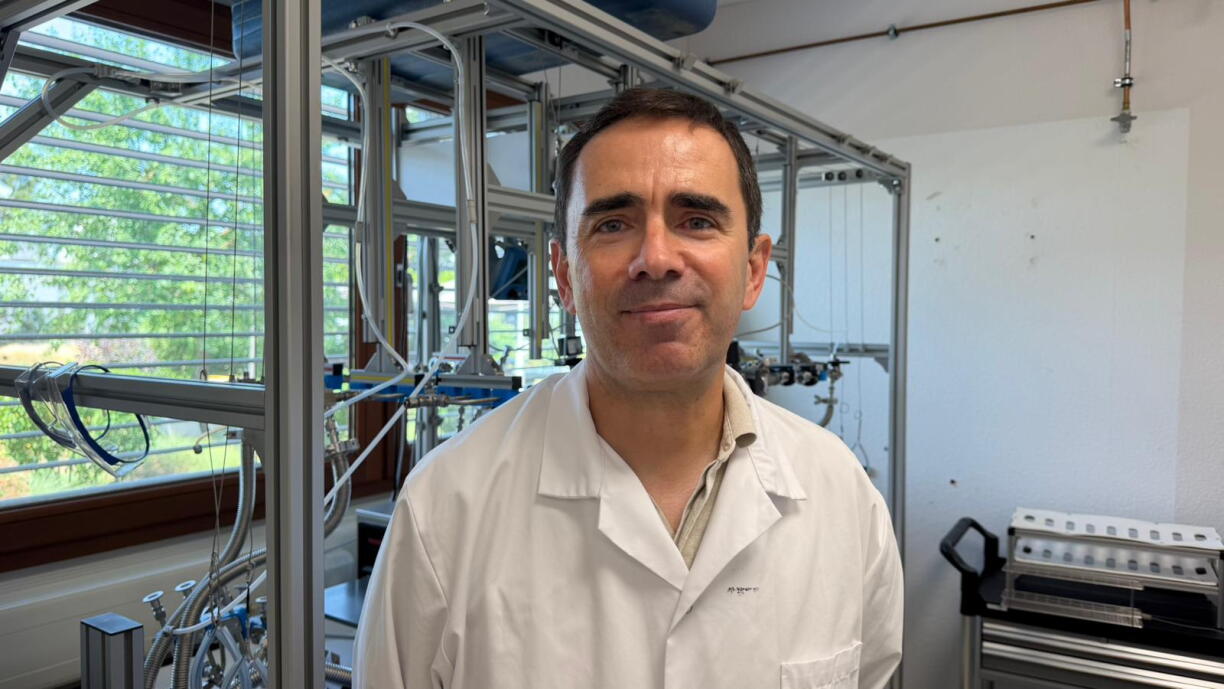
Laurent Pfister is a researcher at the Luxembourg Institute of Science and Technology (LIST). His fascination with hydrology dates back to the major floods of 1993 and 1995. More than 30 years later, he continues to study an element that is becoming increasingly valuable: water.
In conversation with RTL, Pfister discussed the impact of the current heatwave on Luxembourg's rivers and streams. Temperatures exceeded 30°C across the Grand Duchy for more than a week, reaching close to 40°C on Friday and Saturday.
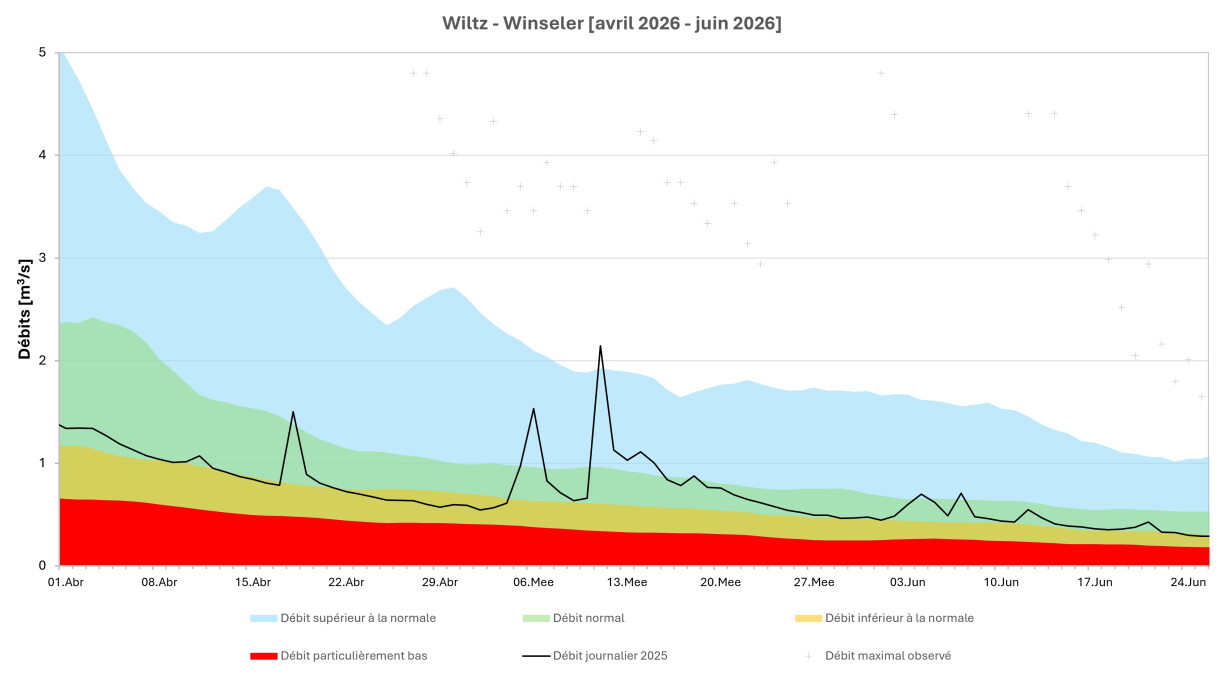
Although the country's waterways may appear to be coping relatively well for now, Pfister warned that the full impact will only become apparent in three to five weeks.
Therefore, river and stream levels do not respond immediately to a heatwave, as its effects take time to emerge. LIST measurements have, however, already recorded a significant rise in water temperatures, accompanied by a decline in oxygen levels.
"This means that insects, fish and all the other organisms living in the water are already under considerable stress", Pfister said.
As Pfister has been studying water for more than three decades, one development in particular now gives him cause for concern.
"We calculated the first climate scenarios for Luxembourg 25 years ago. Even then, they showed that we would gradually move towards a Mediterranean-type climate", he said.
That, he said, is precisely what Luxembourg is now experiencing. Extreme weather events in particular are taking on increasingly Mediterranean characteristics, although the country will continue to retain some of the features typical of an oceanic climate, he said.
Pfister noted that a great deal of time had passed during which some measures could already have been implemented.
Pfister confirmed that Luxembourg is experiencing a growing number of extreme events, including heatwaves, heavy rainfall, and flooding. These trends are supported by data collected at LIST monitoring stations.
Although localised heavy showers may occur over the coming days, they will not solve the underlying problem, according to Pfister. Rainfall at this time of year, for example, would have no immediate effect on groundwater levels, which are mainly replenished during winter, he said.
When heavy rain falls on hardened, dry soil after a prolonged period without rainfall, the water may be unable to soak into the ground, which, according to Pfister, can lead to local flooding and soil erosion.
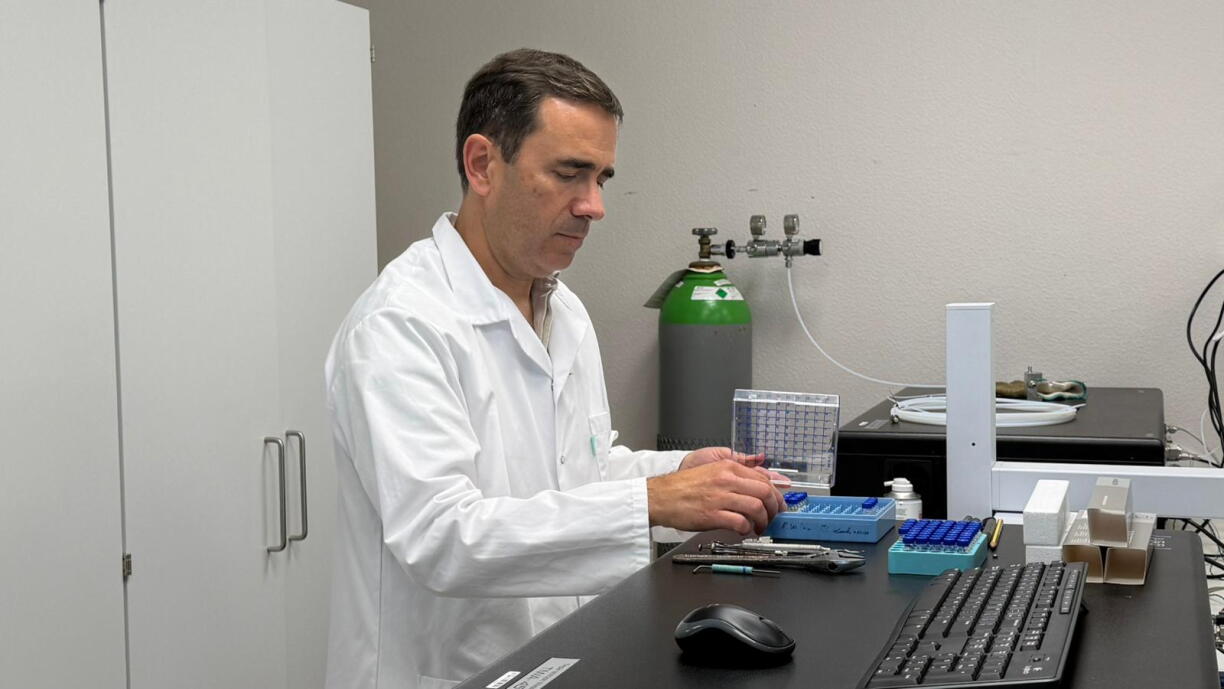
Pfister explained that Luxembourg has one major advantage: the large quantities of sandstone beneath its surface.
During winter, the sandstone stores significant amounts of water, which are then gradually released into rivers over the summer, he said, adding that it acts not only as a filter, but also as an effective reservoir.
Luxembourg must nevertheless take its growing population into account, as population growth alone increases demand for water. Pfister said the country must begin considering more carefully how it manages water as a resource.
Pfister noted there is little that can be done in the short term to prevent heatwaves of this kind. In the longer term, however, he said the solution was clear: rivers must be restored to a more natural state so that water remains in the landscape for longer.
Limiting the amount of land covered by impermeable surfaces is equally important, according to Pfister.
"As a small country, we cannot stop climate change. But we can help reduce its impact on Luxembourg", he concluded.





