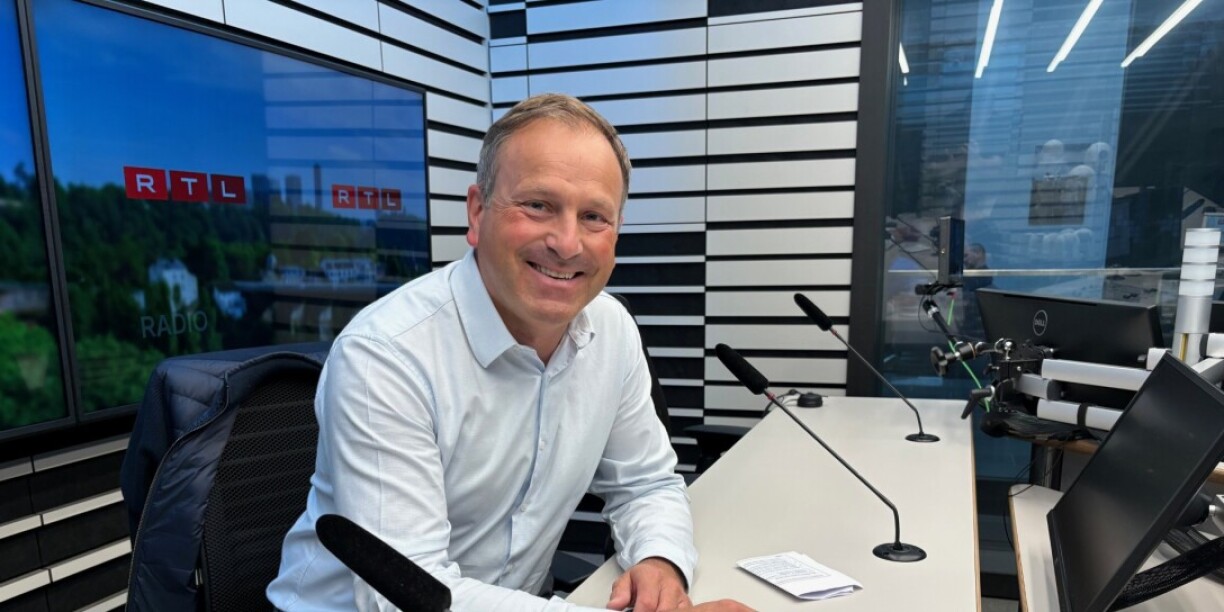
Speaking with RTL Radio on Wednesday morning, the newly appointed president of the Federation of Luxembourg Industrials (FEDIL), Alex Schumann, explained that companies are being affected differently depending on how they purchase energy.
He said that some firms buy energy in advance and have not yet felt the full impact of rising prices, while others purchase it on a day-to-day basis and are already facing significantly higher costs. However, he added that even those that hedge their energy needs may soon feel the effects when contracts expire and prices must be renegotiated.
He noted that rising oil prices are already pushing up transport and logistics costs, which are directly linked to fuel prices. In addition, everyday industrial inputs such as packaging, often derived from petroleum, are becoming more expensive, with these increases quickly passed on to customers, Schumann said.
He stressed that supply chain disruptions are further compounding the problem, with goods previously sourced from certain regions now being replaced by more expensive alternatives.
Schumann, who also oversees production at Goodyear in Luxembourg, stressed that the situation is highly unpredictable for all industries. While energy-intensive companies are particularly exposed, the main challenge lies in the overall uncertainty. Much depends, he said, on geopolitical developments, for instance, whether key transport routes remain open or face prolonged disruption.
On supply chains, he reiterated the importance of open markets and international agreements to help mitigate disruptions. However, he pointed out that Europe remains dependent on energy imports, particularly for products such as diesel and kerosene, where domestic production is insufficient.
Turning to the upcoming tripartite talks, Schumann welcomed the government's cautious approach, saying the situation is complex and requires careful preparation.
He stressed the importance of establishing a shared diagnosis of the challenges before moving on to solutions, adding that cooperation between government, employers, and trade unions will be key.
He expressed cautious optimism that agreement can be reached, noting that the talks are taking place in response to a clear energy-driven crisis and rising inflation. However, he declined to outline specific demands at this stage, saying it is too early and that proposals are still being developed in coordination with other business organisations.
Schumann also highlighted longer-term priorities for Luxembourg's industrial sector, including investment, recruitment, and strengthening the country's international position.
He warned that investment is often hindered by a lack of available industrial land and lengthy administrative procedures, which can delay projects by several years.
While the sector had recently been optimistic about job creation, he suggested that outlook may now need to be reassessed in light of the evolving crisis.
Finally, Schumann declined to comment on a separate issue involving allegations about defective tyres linked to Goodyear, stating that he was speaking in his capacity as FEDIL president and not as a company representative.





