
Here are five things you should know at the end of this week:


Multiple victims of a fraud perpetrated via a fake Banque Internationale à Luxembourg (BIL) website spoke out this week in an attempt to call attention to their case.
Hundreds of thousands lost to scam – Earlier this week, several Banque International à Luxembourg (BIL) clients denounced a fraud involving a scam bank website, which resulted in losses amounting to thousands of euros for the victims.
Between May and mid-July 2025, an average of €8,800 per person was reported stolen, suggesting the total damage likely exceeds six figures. The victims shared similar stories of being duped by the fake site and attempting to freeze accounts or contact the police once alerted.
Speaking out against slow procedures – More than 20 defrauded BIL customers have formed a WhatsApp group to coordinate and voice frustration at the bank’s slow response and limited reimbursement efforts. Some individuals lost as much as €12,000 and relay feelings of abandonment, despite support from the police, and have scheduled a meeting in early September to explore legal options.
Systemic failures and accountability – BIL issued a warning in early July regarding a sophisticated phishing scam involving a counterfeit website spoofing its online platform. After the recent news came to light, Luxembourg Socialist Workers' Party (LSAP) MPs questioned the parliament on the issue, demanding accountability from key ministers, and highlighting systemic gaps in fraud prevention.
Their inquiries focused on why fraudulent websites remain accessible despite prompt notification to law enforcement, what concrete measures BIL, LuxTrust, and relevant authorities have implemented to strengthen security, and where institutional responsibility lies when customers incur financial losses as a result of such scams.
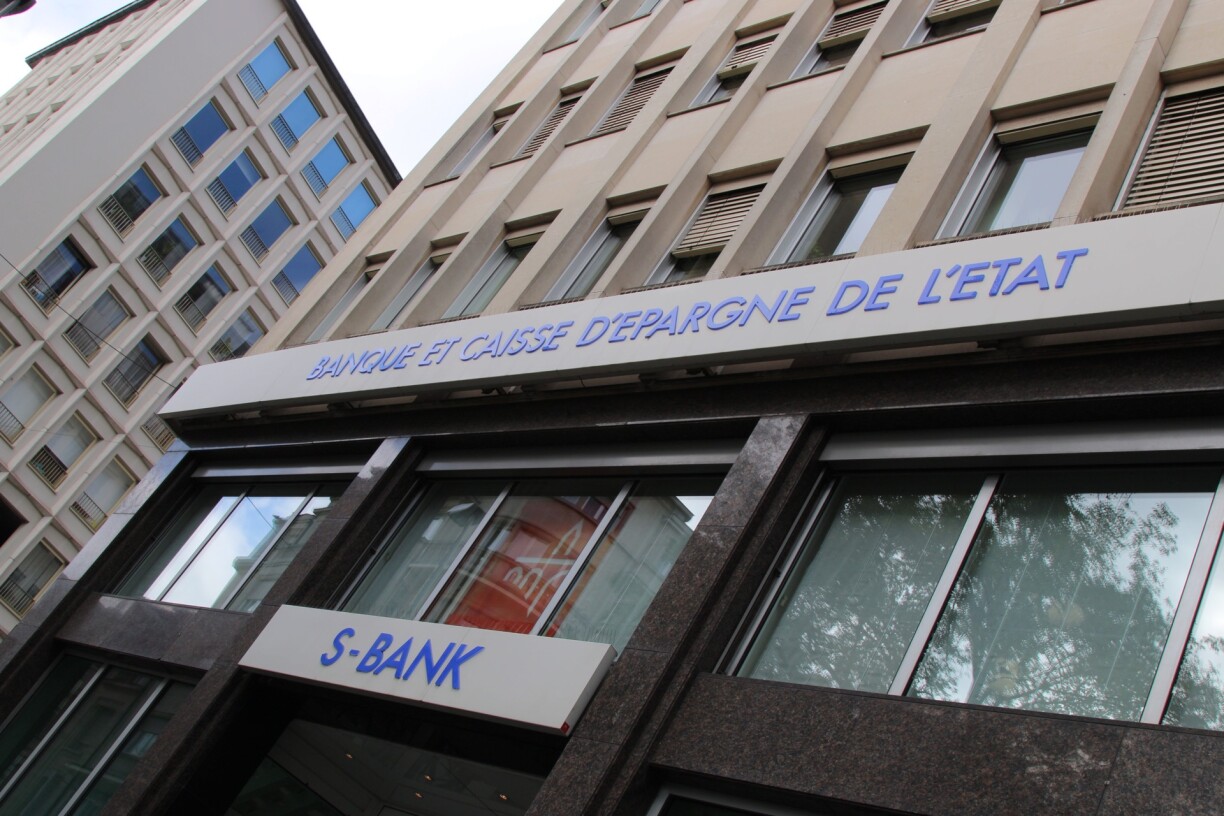
Luxembourg's state owned bank has been hit with a substantial financial penalty following a regulatory investigation linked to monitoring system deficiencies in relation to the Caritas fraud case.
During the investigative process, financial institutions Spuerkeess and BGL had been warned of sanctions due to possible procedural errors which could have allowed the fraud to take place. The institutions' responses ranged from non-admission to invoking secrecy laws.
The year-long investigation has witnessed various developments, albeit without much to show in terms of fund recovery. The situation has led to clashes between parliamentary forces regarding the response to the massive embezzlement case.
Nearly 5 million fine – Luxembourg’s financial regulator has fined Spuerkeess nearly €5 million following an investigation into the bank’s role in the Caritas fraud case. The sanction was issued over shortcomings in the bank’s transaction monitoring systems, particularly in relation to anti-money laundering and counter-terrorism obligations.
While Spuerkeess accepted the fine and noted it had already taken steps to improve internal controls, the CSSF emphasised that the penalty does not imply direct liability for the embezzlement at Caritas.
Searching for accountability – A June report revealed the Financial Sector Supervisory Commission (CSSF) was expected to issue sanctions to the financial institutions involved in the Caritas case.
Hearings with both Spuerkeess and BGL officials were marked by limited disclosures and repeated references to banking secrecy, frustrating MPs who criticised the lack of transparency and accountability. While the banks denied wrongdoing and claimed compliance with regulatory procedures, lawmakers questioned how such large-scale misappropriation went undetected.
'Coulda, shoulda, woulda' –Whether we are talking about what could have been done to prevent and identify the fraud, or measuring the response to the scandal, there seems to enough finger-pointing to go around in Luxembourg. Government and opposition clashed on more than one occasion on the subject of inaction and transparency, or how the charity was dealt with post-scandal.
Opposition parties criticised the government’s lack of transparency and coordination in the Caritas scandal. PM Luc Frieden defended not rescuing the organisation due to legal and financial risks, but MPs questioned the government’s timeline and handling, calling the response insufficient.
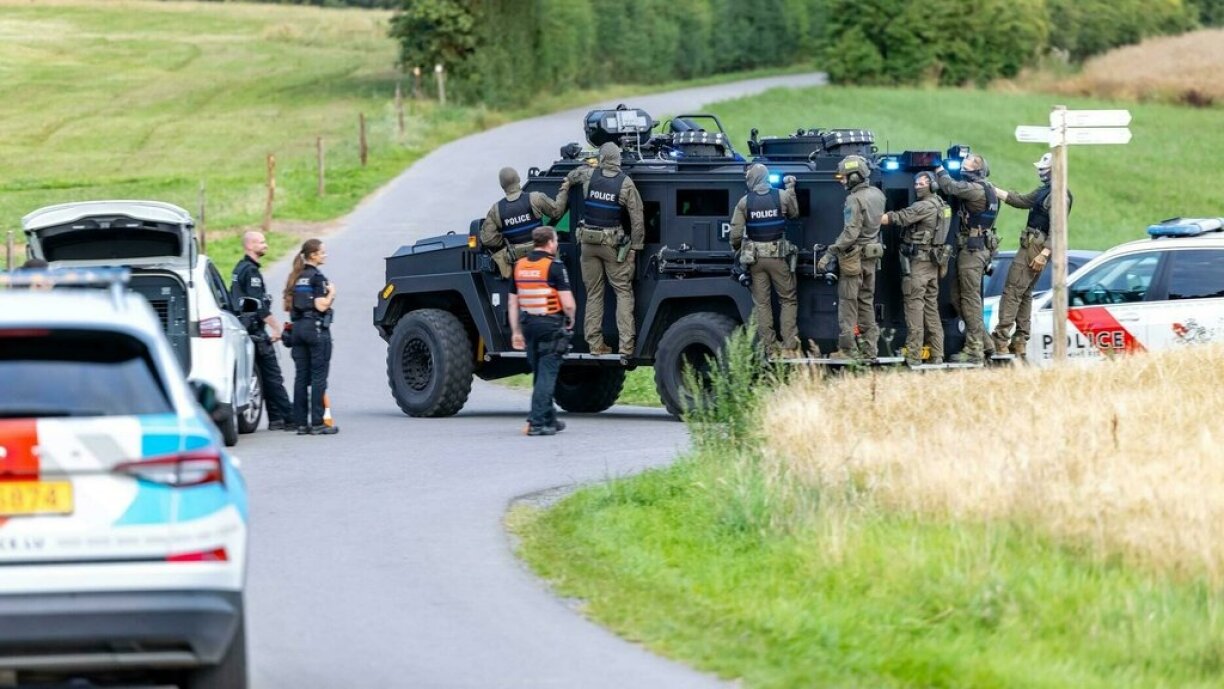
Last weekend, a large police contingent was called to break up an unauthorised rave taking place in a protected area in Heinerscheid.
The intervention lasted several hours and resulted in multiple detentions, some related to drug offences.
Police and the landowner recounted the hostile and chaotic scenes experienced during the attempts to dismantle the event.
Raving in the Duchy –An unauthorised rave drew nearly 500 participants to the Our valley near Heinerscheid over the weekend, prompting police intervention after the event was held without permission in a protected nature reserve. The gathering, which included attendees from neighbouring countries, featured multiple stages and was organised without notifying local authorities.
Local officials condemned the event, with Clervaux mayor Georges Keipes stressing that such actions are unacceptable, especially in a conservation area. Police were in contact with the organiser and deployed additional units to shut down the gathering after initial efforts failed to disperse the crowd.
Can't do that –The illegal event triggered a coordinated response involving 120 officers, special units, a helicopter, and support from fire, conservation, and judicial authorities.
Despite initial resistance from participants, the crowd was gradually dispersed by late evening, with 19 people placed in detention and several fined or reported for drug and driving offences. All sound equipment and transport vehicles were confiscated, and the investigation is continuing under the oversight of the Diekirch public prosecutor's office.
Impacting nature – The situation surrounding the illegal rave was described as disruptive and damaging, with authorities facing hostility while attempting to clear the site. Despite early reports on Friday night, police waited until daylight to assess the situation, eventually deploying over 100 officers. Attempts to communicate with organisers failed, leading to a gradual but challenging intervention. Equipment and vehicles were later seized due to the event’s location in a protected Natura 2000 zone.
The landowner reported serious environmental damage, with debris left across the meadow posing risks to livestock. Local authorities and volunteers supported the cleanup, but the incident raised concerns about the frequency of such unauthorised gatherings. Organised via closed online channels, the rave attracted participants from across several neighbouring countries.
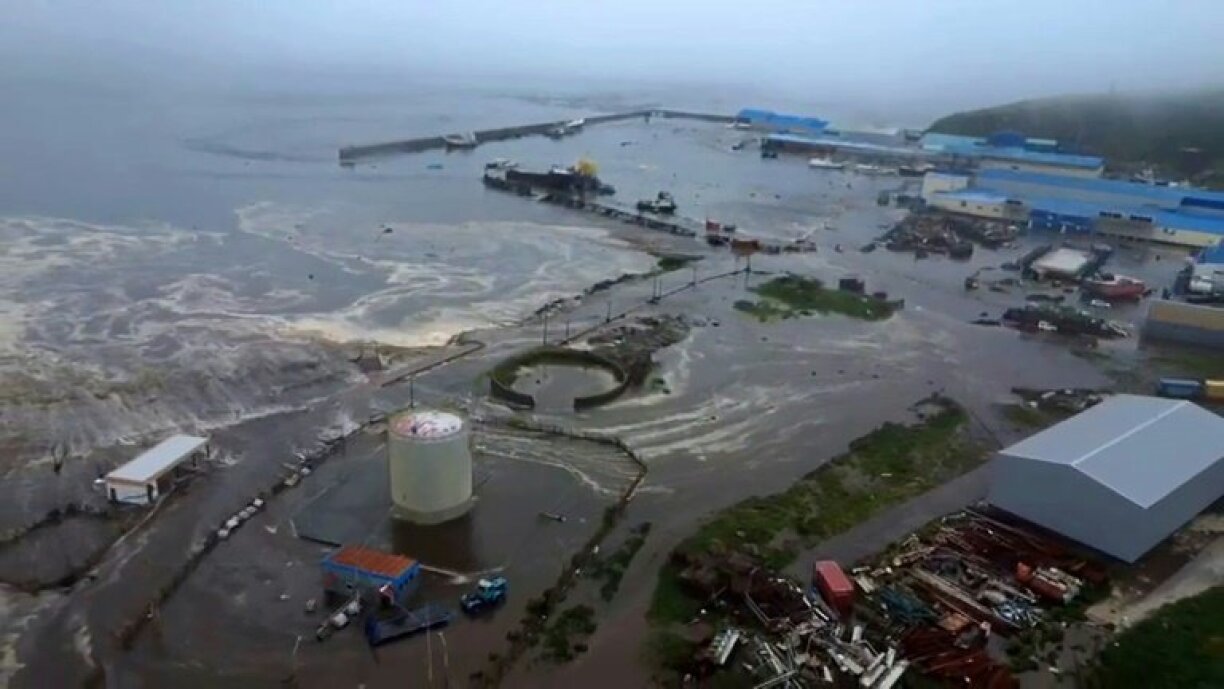
An 8.8 magnitude earthquake struck off the coast of Russia's far eastern Kamchatka peninsula earlier this week, prompting evacuations and tsunami alerts across parts of the Pacific coast.
One of the strongest quakes ever recorded, the natural phenomenon temporarily displaced millions of at-risk people living in coastal areas, including Hawaii, Chile, and Equador, among others.
While Eastern Russia took the brunt of the damage, nearby countries took the situation very seriously – especially Japan, still mourning the 2011 disaster that killed 15,000 people.
Strongest in over 70 years –A massive 8.8-magnitude earthquake struck off Russia’s Kamchatka peninsula, triggering tsunami waves up to four metres high and prompting evacuations across the Pacific. In Severo-Kurilsk, waves inundated a fishing plant and swept buildings and debris into the sea, though no casualties were reported thanks to swift evacuations.
The epicentre, located 47 kilometres beneath the seabed, caused shockwaves felt across a wide area. A state of emergency was declared in the Sakhalin region, and authorities warned of strong aftershocks. Footage showed doctors bracing during surgery and campers fleeing rising waters, underscoring the severity of the quake, the region’s strongest since 1952.
Massive displacement –Tsunami alerts across the Pacific were lifted on Wednesday, allowing millions of evacuees to return home. Though early warnings prompted widespread evacuations from Japan to South America, including the closure of ports, cancelled flights, and shuttered national parks, the feared catastrophic waves largely failed to materialise.
Most countries reported only minor surges and no significant damage. Russian scientists noted a volcanic eruption following the quake. The event was one of the strongest recorded globally since 1900, and aftershocks - some near magnitude 7 - continue to shake the region.
Better safe than sorry –The quake triggered widespread alerts across Pacific nations, but fears of a major disaster were not realised, with Russia seeing the worst impact as waves flooded the port of Severo-Kurilsk.
In Japan, where nearly two million people were temporarily evacuated, the largest wave reached just 1.3 metres. One fatality was reported after a woman’s car fell from a cliff during the evacuation. Meanwhile, the beaching of four sperm whales sparked local concern, though officials confirmed the animals had washed up before the quake, prompting speculation about links to climate change and seismic activity.
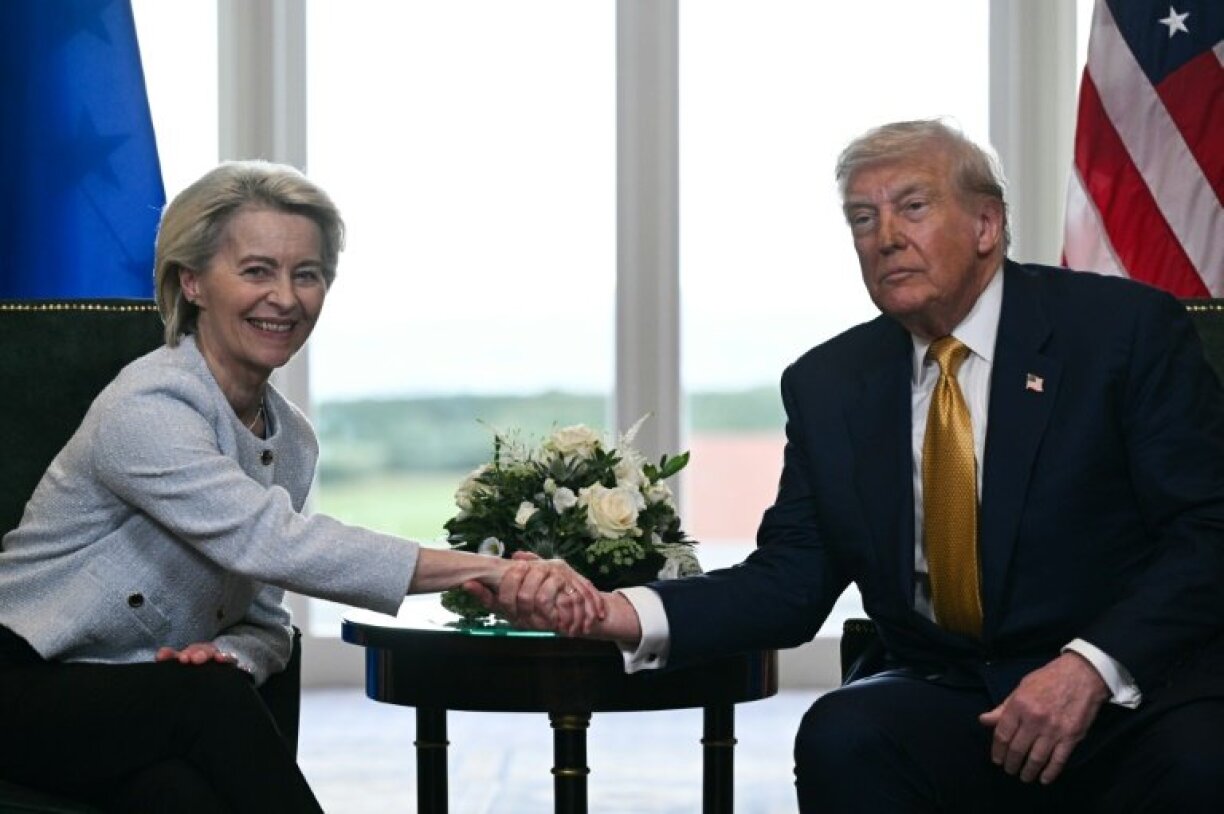
Donald Trump and Ursula von der Leyen shook hands on a painstakingly negotiated deal to avoid a full blown trade war, with a flat 15 percent tariff being placed on EU exports.
The deal has elicited strong criticism from EU members, who claim the European Union let itself be bullied into what some call an "act of submission".
The EU dossier may be closed, but Trump is still strong-arming dozens of countries with tariff threats as the deadline looms.
Better than trade war? –The United States and European Union narrowly avoided a trade war after President Donald Trump and EU Commission chief Ursula von der Leyen agreed to a deal just before a looming deadline. Under the agreement, a flat 15 percent tariff will apply to EU exports to the US, replacing higher rates and staving off a broader 30 percent levy threatened by Washington.
While the deal brings short-term stability to transatlantic trade, it falls short of EU hopes for sector-specific exemptions, particularly in steel, pharmaceuticals, and high-value manufacturing. The EU must now secure approval from its member states, some of which had been preparing countermeasures worth over $100 billion had talks failed.
Unbalanced deal –Reactions from EU leaders were mixed, with Germany and Spain offering reluctant support and France and Hungary openly criticising the deal as a capitulation. Industry groups voiced concern over increased costs, especially for cars and chemicals, and European markets reflected unease.
Defenders of the agreement, including top EU trade officials, framed it as a necessary compromise to protect millions of jobs and broader security ties with the US, particularly regarding cooperation on Ukraine — though analysts noted that an earlier, firmer EU stance might have secured better terms.
Despite the deal, there is still a tinge of nervousness in the air among industries. Luxembourg economic federation FEDIL also expressed dissatisfaction with the terms of the deal.
All in – President Trump’s sweeping tariff strategy faced mounting legal scrutiny and international resistance, even as he moved forward with select levies and last-minute trade deals. While pacts were announced with several countries, including the EU and South Korea, others like Brazil, India, and Canada were hit with steep tariffs or threats, the latter tied to political disputes.
Legal challenges in US courts questioned Trump’s use of emergency powers, and major firms like Apple warned of billions in added costs. Despite extending Mexico’s deadline and offering select exemptions, critics noted the lack of detail in many agreements and ongoing risks of inflation, market uncertainty, and unresolved tensions with China.
Business & Tech –TikTok rolled out a crowd-sourced debunking system to combat online misinformation in the United States.
Science & Environment – Europe saw the worst early-July drought on record with 52% of soils affected, following the 55% mark registered in June.
Entertainment – Luxembourg is bringing some bold performances to the renowned Edinburgh Fringe festival, taking place in August.
Security – It's that time of the year: Police have issued a warning during the holiday season, this time regarding a barely visible sticky thread burglary trick used to find out if people are home.
Ambas-sade – Austria's ambassador to the EU has resigned following revelations he ran a sexually explicit blog while holding senior diplomatic posts – including a past ambassadorship in Luxembourg.
Seeds of knowledge – According to Eurostat, Luxembourg spent more on research and development per person than any other EU country in 2024.

Your Weekly Recap is published every Friday at noon. Read earlier versions.





