
Here are five things you should know at the end of this week:

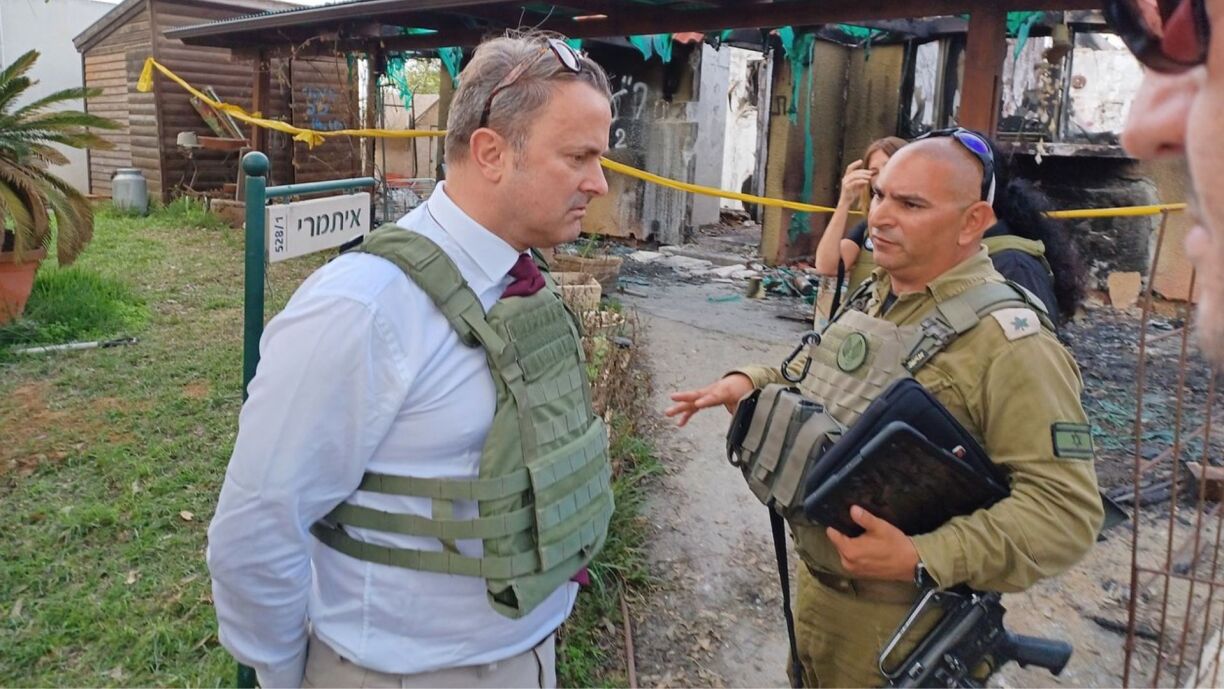
Luxembourg's Minister of Foreign Affairs Xavier Bettel this week visited Kibbutz Kfar Azza, a site targeted by Hamas attacks, discussing the impact on civilians and condemning the violence.
Meeting survivors – During his visit to Israel, Minister Bettel made a significant stop at Kibbutz Kfar Azza, one of the locations hit by Hamas attacks on 7 October. This visit allowed him to directly engage with the survivors and witness the aftermath of the terrorist attack.
Bettel heard firsthand accounts from residents who had endured the violence, offering him a profound understanding of the human impact of these attacks. His response was one of deep concern and condemnation of the violence perpetrated by Hamas, emphasising that no justification exists for such barbaric acts against innocent civilians.
Meeting Israeli officials – In addition to his visit to the attack site, Bettel engaged in important diplomatic discussions with key Israeli officials, including Foreign Minister Israel Katz and Knesset Speaker Amir Ohana. These talks focused on the complex issues of defence and retaliation in the face of terrorist threats.
While acknowledging every state's right to defend its citizens, Bettel also raised concerns about the proportionality of Israel's response, especially considering the high number of civilian casualties in Gaza. This perspective follows his recent comments made during an interview with RTL Radio, where he expressed the growing difficulty in justifying the extent of defensive measures as legitimate and proportional.
Support for both sides – A pivotal aspect of Bettel's visit and discussions was his firm support for a two-state solution as the pathway to achieving lasting peace in the region. His advocacy for this approach reflects a broader international consensus on the most viable solution for ending the long-standing conflict.
Following his time in Israel, Bettel's itinerary included a visit to Ramallah in Palestine, signifying his dedication to engaging with both sides and understanding the complexities of the situation firsthand.

The Luxembourg government is considering a draft bill to establish a dedicated prison for minors, proposed two years ago and now under discussion by the Parliamentary Justice Committee.
The bill, supported by Justice Minister Elisabeth Margue and originally proposed by Sam Tanson, faces criticism from the Council of State and aims to align with international children's rights principles.
The urgency of this initiative is highlighted by a recent incident where a minor was temporarily placed in an adult prison, prompting calls for alternative solutions and defining the age of criminal responsibility at 13.
Prison for minors – The Luxembourg government is actively deliberating a significant proposal: the establishment of a specialised prison dedicated exclusively to minors. This initiative, originating from a draft bill submitted two years ago, is currently under the scrutiny of the Parliamentary Justice Committee.
Spearheaded by the current Minister of Justice, Elisabeth Margue from the Christian Social People's Party (CSV), and initially proposed by her predecessor, Sam Tanson, the bill reflects a focused effort to reform the juvenile criminal justice system. It further aims to create a distinct and more appropriate environment for juvenile offenders, differentiating it from the existing adult prison system.
Formal objections – The draft bill, while garnering governmental support, has not been without its critics, most notably the Council of State. The Council has expressed over two dozen formal objections, emphasising the need for the bill to be in strict alignment with international standards regarding the rights and justice for minors.
These objections reflect a broader concern about how young offenders are treated within the legal system and the importance of ensuring that their rights and developmental needs are adequately considered.
Despite these challenges, the bill is seen as a necessary step towards addressing the critical issues in the treatment of young offenders, aiming to provide a more rehabilitative and supportive environment in contrast to conventional adult facilities.
Age of criminal responsibility – The need for this reform was starkly highlighted by a recent incident where, due to space constraints in the existing juvenile detention facility at Dreiborn, a minor was temporarily placed in Schrassig, an adult prison. This situation, which lasted for nine days, has raised significant concerns about the current state of juvenile detention in Luxembourg.
The proposed bill further sets a clear age of criminal responsibility at 13 years, establishing a legal framework that acknowledges the unique circumstances and needs of young offenders.
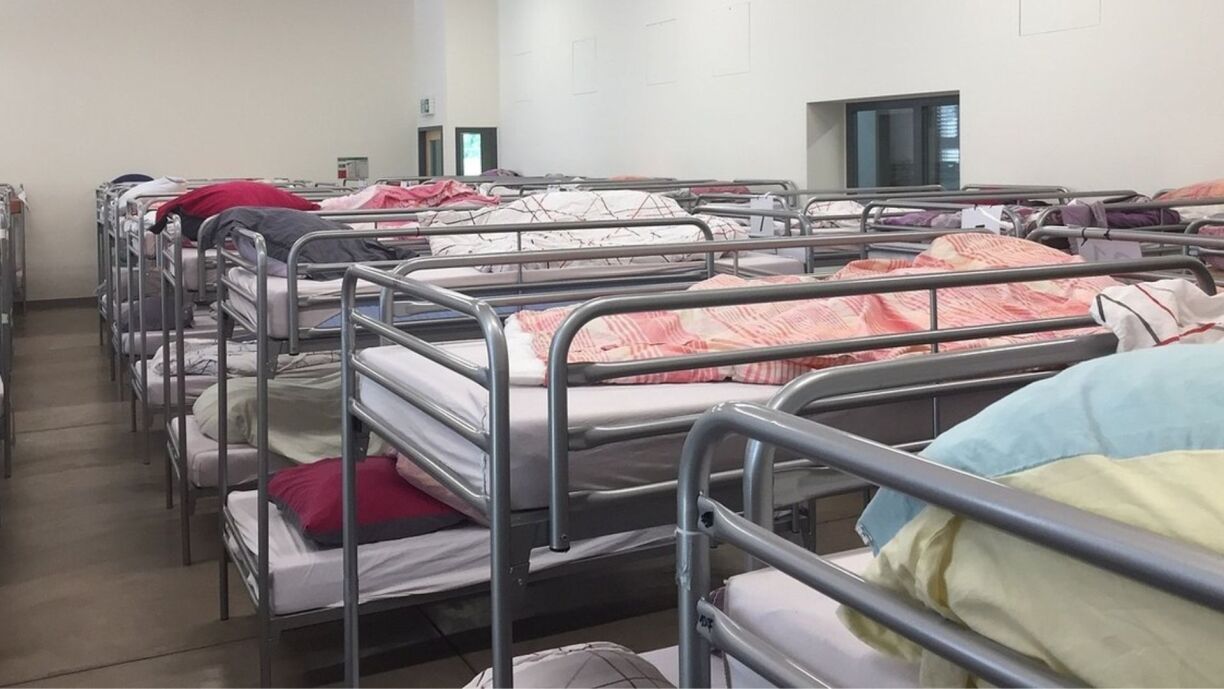
Luxembourg's 'Winter Action' shelter in Findel reached a record occupancy of 271 individuals at the beginning of the week, surpassing last year's peak of 219 amid an increase in asylum seekers.
A policy change means adult men who have applied for asylum in another EU country may not automatically get access to housing, with priority given to those who are vulnerable or sick.
To accommodate the rising demand, 50 additional beds were added to the shelter, increasing its capacity to 300, with no current plans for more refugee facilities in Luxembourg.
Peak surpassed – The surge in demand at the Findel shelter reflects the growing challenge Luxembourg faces with the rising number of asylum seekers with no access to housing. The shelter, which serves as a temporary haven for individuals seeking international protection, has become a critical resource in managing this influx. The increase in occupancy is a clear indicator of the escalating needs of asylum seekers in the nation and the pressure on existing support structures to accommodate them.
Asylum policies – A notable policy shift was initiated in October of the previous year by former Immigration Minister Jean Asselborn, impacting the allocation of resources at the shelter. Under this new policy, adult men who have already filed for asylum in another EU country are no longer guaranteed a bed in Luxembourg's shelters.
This change prioritises beds for individuals deemed vulnerable or sick. Family Affairs Minister Max Hahn elaborated on this, stating that while these individuals are provided with immediate accommodation, others are informed about available social support and alternative arrangements for overnight stays.
Capacity raised – In response to the escalating demand for shelter, the Winter Action shelter set up an additional 50 beds, bringing the total capacity to 300.
Despite this increase in capacity, there are no immediate plans to establish additional refugee facilities in the country. Minister Hahn expressed optimism that new solutions would emerge, indicating an ongoing effort to balance resource allocation with the growing demands of the refugee and asylum-seeking population in Luxembourg.
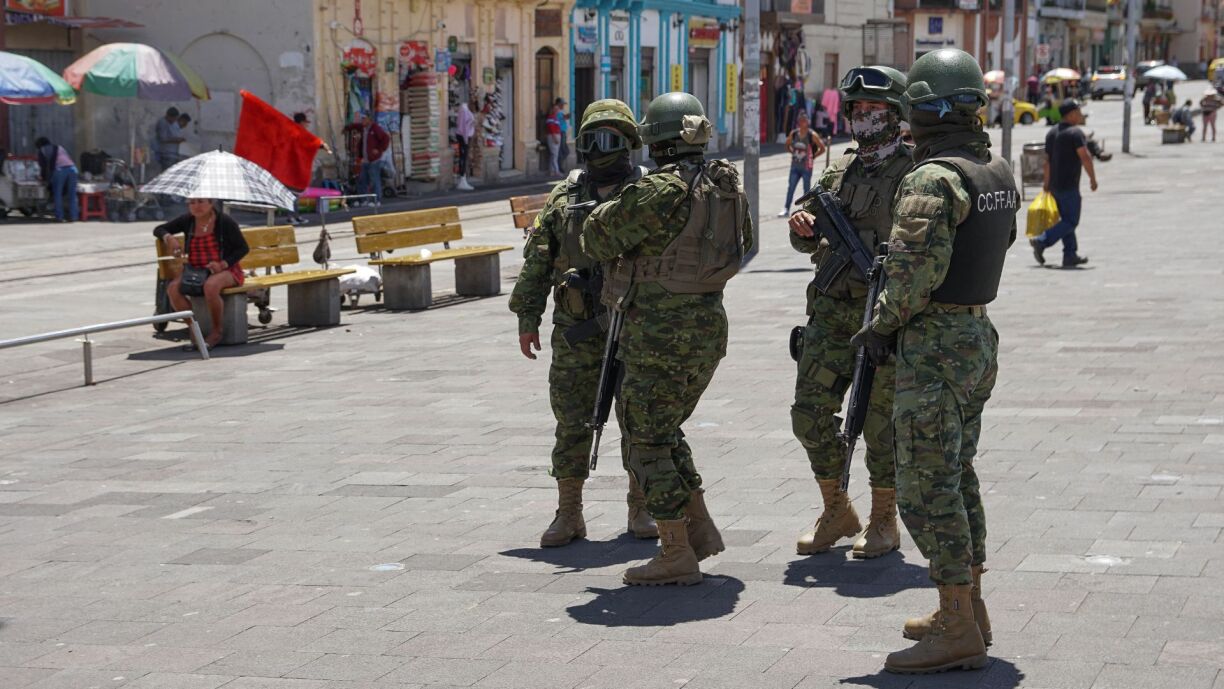
Ecuador's government, led by President Daniel Noboa, has deployed over 22,400 soldiers and imposed a state of emergency, including a curfew, to combat a violent campaign by organised crime gangs, following the prison escape of a notorious drug lord.
The gangs have escalated their activities with kidnappings, attacks, and threats to execute civilians and security forces, causing widespread panic and leading to the closure of schools, businesses, and reduced public transport.
International support, including from the United States and United Nations, is being offered to Ecuador as the country faces a significant increase in violence and drug trafficking, with the murder rate quadrupling from 2018 to 2022.
State of emergency – In response to the escalating violence and organised crime in Ecuador, President Daniel Noboa's government has taken drastic measures. Over 22,400 soldiers have been deployed across the nation to reinforce law and order. This action follows the prison escape of notorious narco boss Jose Adolfo Macias, sparking widespread criminal activities.
The government has also implemented a state of emergency, introducing measures like a nighttime curfew, increased patrolling, and stringent security checks. This decisive response aims to curb the influence of criminal gangs and restore public safety.
Uncertainty – The organised crime groups in Ecuador have intensified their terror tactics in retaliation to the government crackdown. This includes a series of kidnappings, attacks on journalists, and explicit threats to execute both civilians and security personnel.
These activities have instilled a deep sense of fear among the populace, leading to significant disruptions in daily life. Schools and businesses have shut down, public transport is severely limited, and there's a general atmosphere of panic and uncertainty.
Restoring peace – The situation in Ecuador has garnered international attention, with countries like the US, China, and members of the United Nations expressing concern and offering support. This global response underscores the severity of the crisis, which has escalated beyond national boundaries due to its link with transnational drug trafficking.
The sharp increase in Ecuador's murder rate and the record seizures of narcotics highlight the growing influence of drug mafias in the region. International support is seen as crucial in assisting President Noboa's government to combat these powerful criminal syndicates and to restore peace and stability in the country.

Heavy US and British air strikes targeted Huthi rebel-held areas in Yemen in response to the rebels' disruptive attacks on Red Sea shipping, aligned with Iran and in solidarity with Hamas.
US President Joe Biden described the strikes as "defensive actions" and warned of further military action if necessary, targeting 60 Huthi locations with over 100 precision-guided munitions.
The strikes, part of an international effort to protect Red Sea shipping, have escalated tensions in the Middle East, with the Huthis warning of continued attacks and regional powers urging restraint.
Red Sea – The recent US and British air strikes against Huthi targets in Yemen were a response to the rebels' attacks on shipping in the Red Sea, seen as acts of solidarity with Hamas. These strikes aimed to disrupt the Huthis' capability to threaten maritime routes, reflecting the significant impact of their actions on international trade and regional stability.
60 targets hit – President Biden labeled these strikes as defensive, highlighting the need to protect vital trade routes and US interests. The use of over 100 precision-guided munitions to hit 60 Huthi targets demonstrates the US commitment to responding forcefully to threats against international shipping and maintaining regional security.
Growing instability – The strikes have escalated tensions in the Middle East, with the Huthis vowing to continue their attacks and regional powers urging caution. This situation underscores the fragile balance in the region, with the potential for further escalation that might involve various regional and international actors.
Business & Tech – Boeing is still in fact-finding mode following Friday's near-catastrophic aviation incident, searching for "what broke down" in its processes, Chief Executive Dave Calhoun said Wednesday.
Science & Environment – The first US lunar lander launched in more than five decades is experiencing technical difficulties that will prevent it from carrying out its mission, Astrobotics announced this week.https://today.rtl.lu/news/world/a/2066108.html
Entertainment – 'Oppenheimer' picked up multiple key wins at the Golden Globes on Sunday, on a night billed as a celebration of Christopher Nolan's epic and its fellow summer smash hit 'Barbie'.
Royal baby – The Grand Ducal Court has announced the birth of Prince Félix and Princess Claire's third child, a boy named Balthasar Felix Karl.
Natural resources exhausted – Luxembourg reached its 2024 'fruit overshoot day' on 9 January , signalling the point at which the country has exhausted its yearly capacity for locally grown fruit production, according to sectorial representatives.https://today.rtl.lu/news/world/a/2066108.html
Language software – Starting next week, a groundbreaking digital translation application designed to translate both written and spoken English and Luxembourgish texts will go online.

Your Weekly Recap is published every Friday at noon. Read earlier versions.





