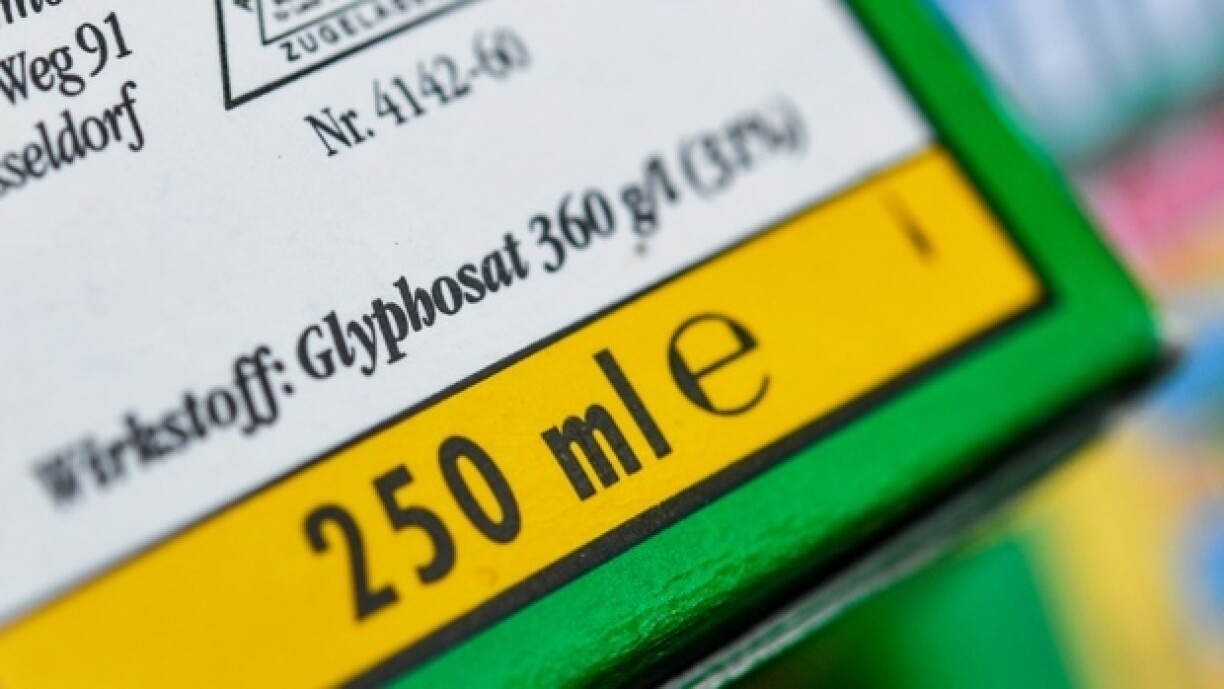
The pesticide had been banned by Luxembourg since 2021 but is still legal in the EU until at least the end of 2023.
Farmers welcomed the ruling, but Minister Haagen argued that recent years have shown that farming works well without glyphosate, which has been found to be carcinogenic.
The Grand Duchy was the sole country in the EU to take steps against the substance and manufacturer Bayer therefore initiated legal action against the Luxembourg government, arguing that it was a violation of EU law.
The court agreed and said in its ruling that no legal basis was used to ban the use of the product. That will now change, the agriculture and environment ministries said Friday.
The government will work with a research institute and launch a study on the negative effects of glyphosate. Moreover, the European Food Safety Authority will also launch a study.
Glyphosate came under fire following a report by the WHO’s International Agency for Research on Cancer, which classified the herbicide as “probably carcinogenic in humans.”
However, as glyphosate remains legal, as of 1 January 2024 a new law will make changes to the sale, use and stockpiling of glyphosate in Luxembourg.





