The significant impact of the invasive Asian hornet (Vespa velutina) on Luxembourg's biodiversity and beekeeping sector has been highlighted in a recent parliamentary response. The species is officially classified as invasive in Luxembourg and the Greater Region.
In a joint answer to a parliamentary question from MP Octavie Modert of the Christian Social People's Party (CSV), Minister of Agriculture Martine Hansen and Minister of the Environment Serge Wilmes detailed the threat. The Asian hornet is a major predator of honeybees and is considered a leading cause of global biodiversity loss. Luxembourg's beekeepers are reported to be suffering considerable damage from the species, which is distinct from native wasps or honeybees.
The ministers cited data from 2025, which indicates that 16.1% of Luxembourg's managed bee populations were lost. While Hansen and Wilmes note that the figures do not reveal whether the cause of the loss is related to the Asian hornet, they point out that the number has increased significantly compared to 2024 (8.6%) and 2023 (9.4%) and that beekeepers have complained about greater losses due to the invasive species.
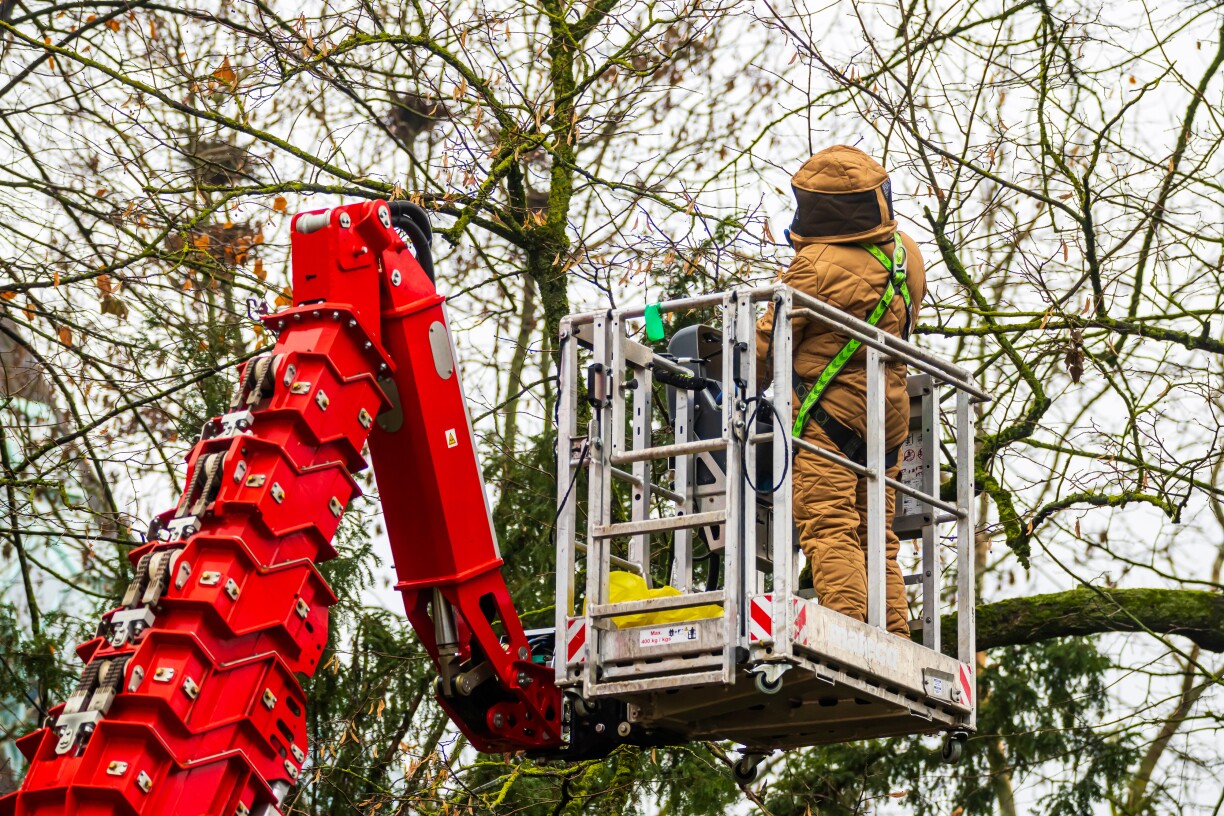
The Nature and Forest Agency (ANF) is actively engaged in combating the spread. In 2025 alone, agency personnel destroyed 215 Asian hornet nests. Since the species was first detected in Luxembourg in 2020, the total number of nests neutralised has reached 373.
However, the ANF's intervention is limited to nests located on public land. Private property owners are responsible for arranging and funding the removal of nests found on their premises. Currently, there is no legal obligation for individuals to report the neutralisation of a nest.
The ministers also clarified that there is no state compensation scheme for beekeepers who lose colonies to the Asian hornet. This policy mirrors the approach to damage caused by the Varroa mite, another major apicultural pest, for which financial reimbursement is similarly unavailable.





