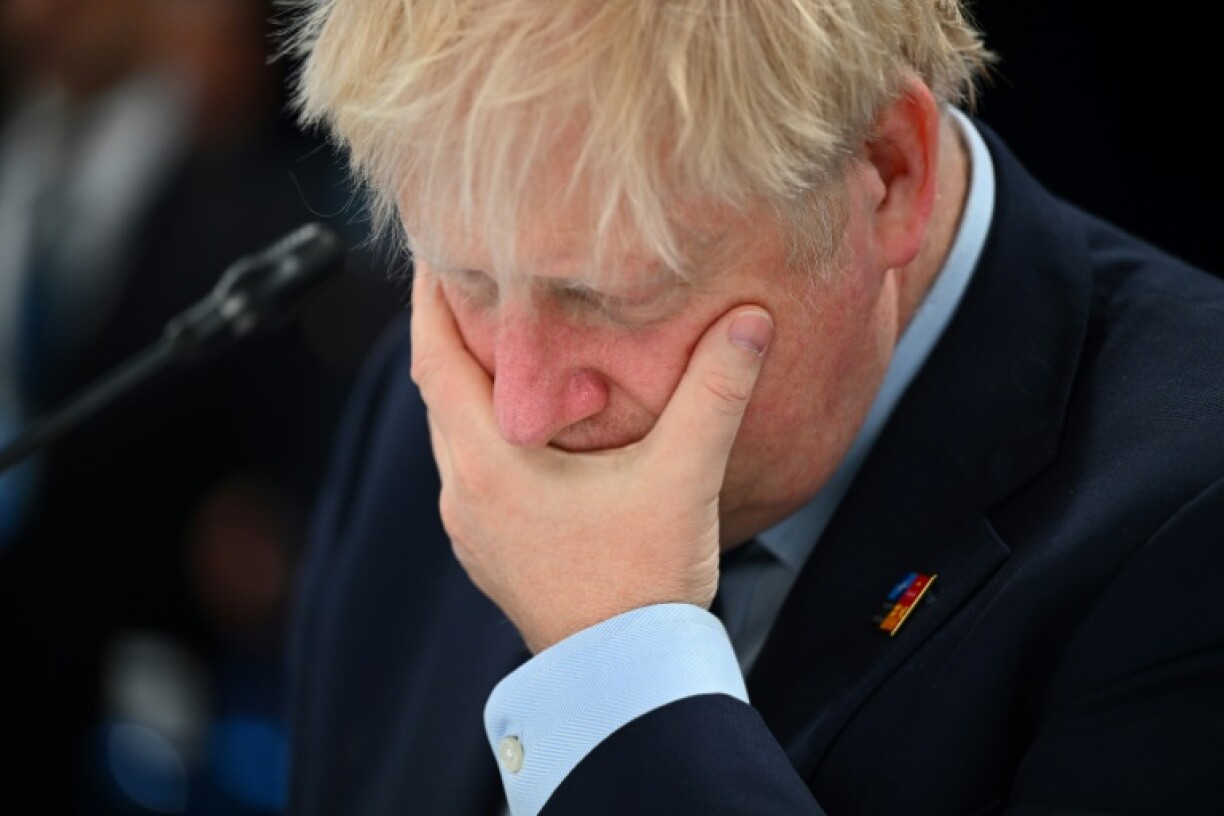
“Boris Johnson will resign as Conservative leader today -- he will continue as prime minister until the autumn,” BBC political editor Chris Mason reported, adding a Tory leadership race will take place this summer and the victor replace Johnson by October.
Johnson will “make a statement to the country” Thursday, a Downing Street spokesman said.
The dismissal from the cabinet of Communities Secretary Michael Gove -- Johnson’s right-hand-man in Britain’s 2016 Brexit referendum campaign -- dramatically showed that the Conservative leader was not going to bow out without a fight on Wednesday night.
“We’re going to see him coming out fighting,” Johnson’s parliamentary private secretary James Duddridge told Sky News, while confirming Gove’s firing.
But within hours Johnson was hit by a fresh cabinet resignation -- the latest after more than 40 departures from the government since late Tuesday -- as Welsh Secretary Simon Hart quit.
New Chancellor of the Exchequer Nadhim Zahawi, only appointed two days ago following the resignation of predecessor Rishi Sunak, on Thursday urged prime Minister Boris Johnson to “do the right thing and go now.”
Education minister Michelle Donelan, also only promoted to the role two days ago, quit on Thursday saying prime minister Boris Johnson had put her in “an impossible situation”.
Gove was reportedly the first cabinet member to confront Johnson on Wednesday with the message that he must go for the good of the Tory party and country.
- ‘Bye, Boris’ -
The dramatic day in Westminster followed the shock resignations late Tuesday of Rishi Sunak as finance minister and Sajid Javid as health secretary, after claims that Johnson had turned a blind eye to alleged sexual assault by a parliamentary ally.
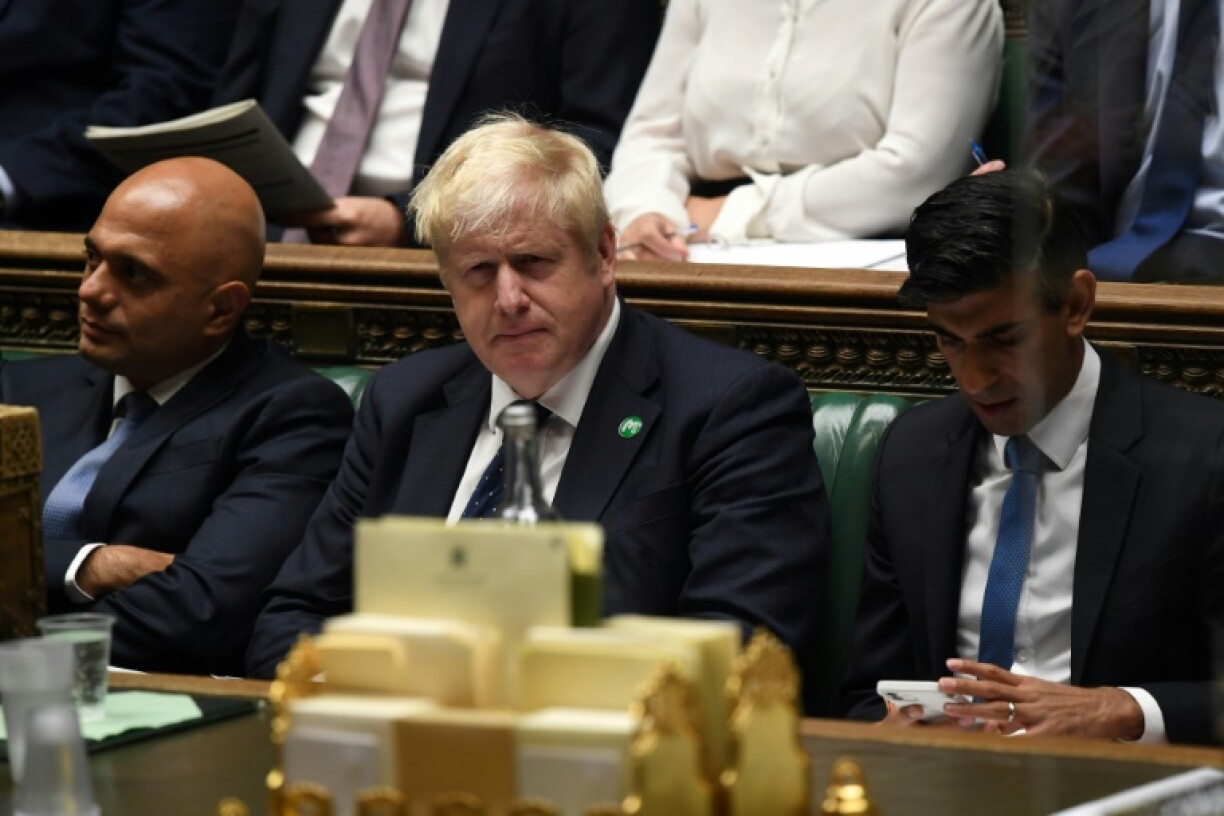
Both said they could no longer tolerate the culture of scandal that has dogged Johnson for months, including lockdown-breaking parties in Downing Street.
Within a little over 24 hours, 43 ministers and their Tory MP aides had quit, mostly from more junior positions outside the cabinet, while Gove was sacked, with one Downing Street source labelling him a ‘snake’.
In parliament, Johnson insisted the country needed “stable government, loving each other as Conservatives, getting on with our priorities”.
But addressing MPs, Javid urged other ministers to resign.
“The problem starts at the top, and I believe that is not going to change,” he told a hushed House of Commons.
“And that means that it is for those of us in that position -- who have responsibility -- to make that change.”
Cries of “bye, Boris” echoed around the chamber at the end of his speech.
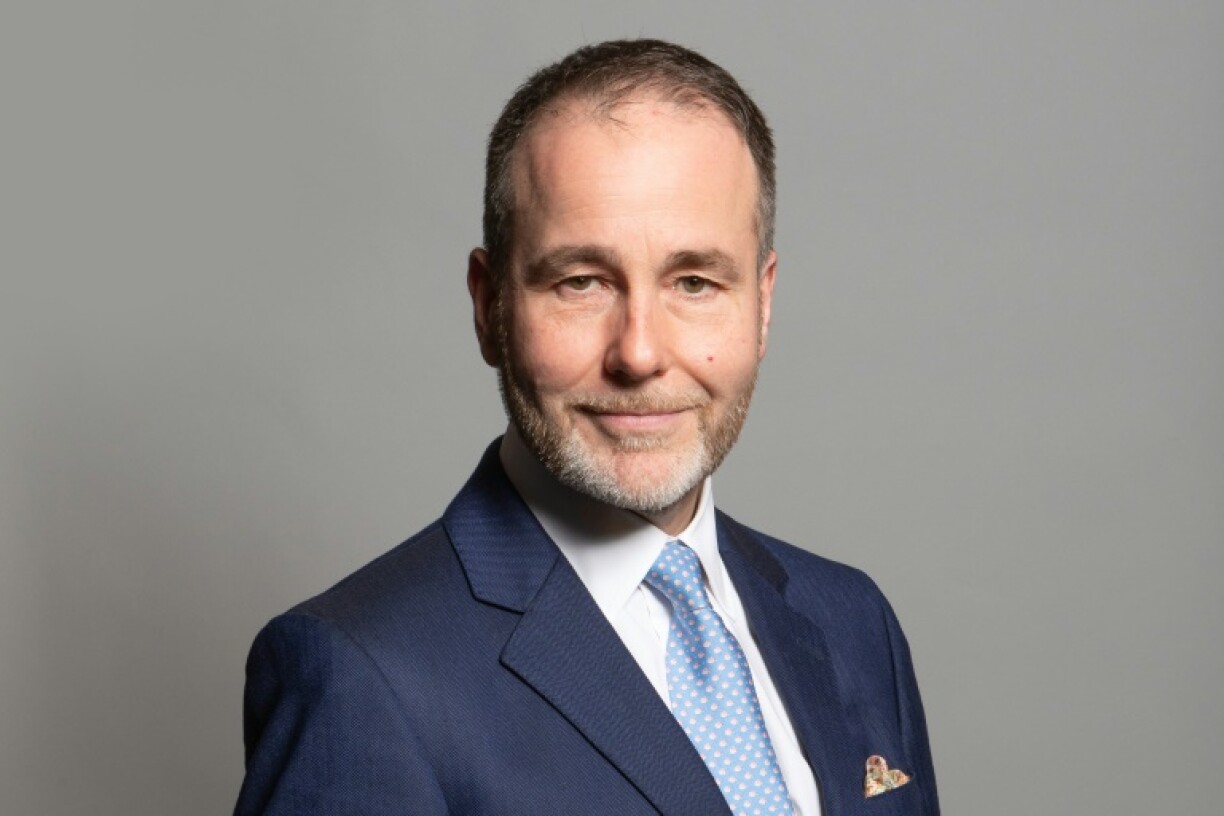
Sunak and Javid quit as Johnson apologised for appointing senior Conservative MP Chris Pincher deputy chief whip, only for him to quit last week following accusations he drunkenly groped two men.
Former education secretary Zahawi was immediately handed the finance brief and acknowledged the uphill task ahead.
“You don’t go into this job to have an easy life,” Zahawi told Sky News.
- ‘Local difficulties’ -
Days of shifting explanations had followed Pincher’s resignation.
Downing Street at first denied Johnson knew of prior allegations against him when promoting Pincher in February.
But by Tuesday, that defence had collapsed after a former top civil servant said Johnson, as foreign minister, was told in 2019 about another incident involving his ally.
Minister for children and families Will Quince quit early Wednesday, saying he was given inaccurate information before having to defend the government in a round of media interviews Monday.
Tory critics said the Pincher affair had tipped many over the edge, sickened at having to defend what they saw as more lies by Johnson.
Johnson only narrowly survived a no-confidence vote among Conservative MPs a month ago, which ordinarily would mean he could not be challenged again for another year.
But the influential “1922 Committee” of non-ministerial Tory MPs is reportedly seeking to change the rules, with its executive committee Wednesday announcing it will elect a fresh lineup of members next week.
Johnson’s refusal to resign means he would likely face a second confidence vote.
A snap Savanta ComRes poll Wednesday indicated that three in five Conservative voters say Johnson cannot regain the public’s trust, while 72 percent of all voters think he should resign.
Jacob Rees-Mogg, a cabinet loyalist and Johnson’s “minister for Brexit opportunities”, earlier dismissed the growing resignations as “little local difficulties”.
But Sunak’s departure in particular, in the middle of policy differences over the cost-of-living crisis, was dismal news for Johnson.
The prime minister, who received a police fine for the so-called “Partygate” affair, faces a parliamentary probe into whether he lied to MPs about the revelations.





