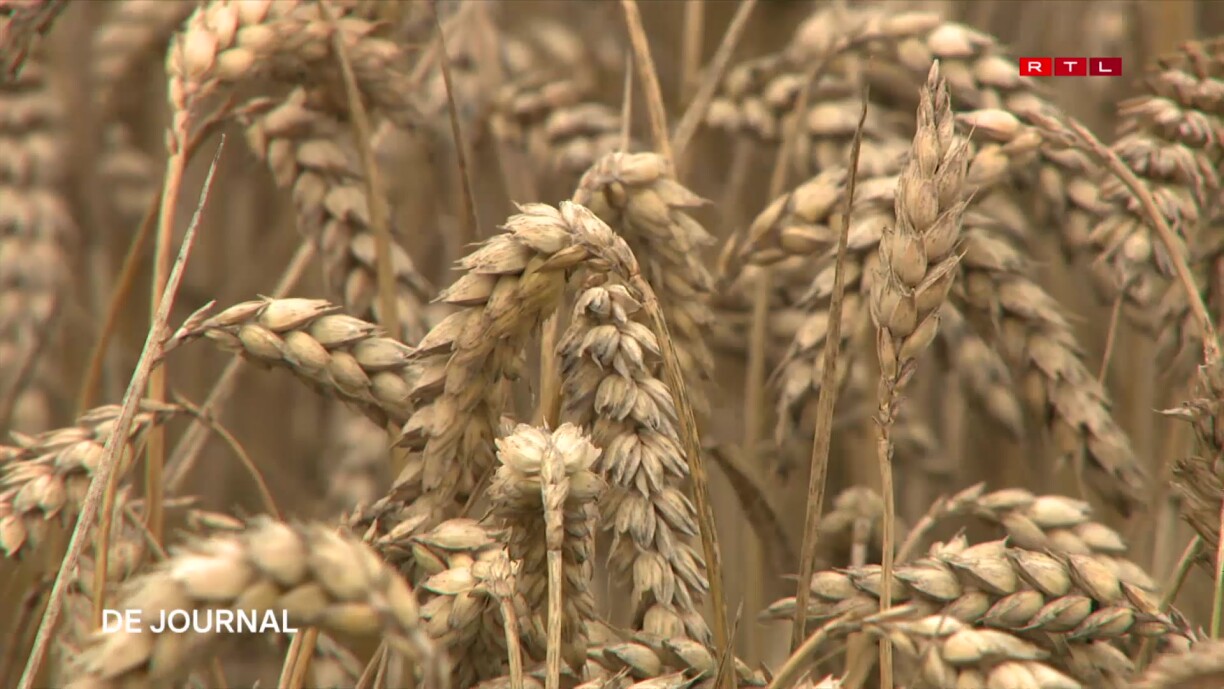
Under current EU rules, genetically modified food must carry a special label. However, the European Parliament has now voted at first reading to exempt products modified using a new form of gene editing known as NGT-1. The term NGT refers to "New Genomic Techniques".
NGT-1 plants are those whose DNA has been altered without adding foreign genetic material. This may involve, for example, removing specific genes. If the final EU vote passes in early 2026, such modifications would no longer need to be identified on product labels in supermarkets.
Luxembourg Agriculture Minister Martine Hansen argued that this potential regulatory change would not pose a problem. She said that, in practical terms, it would no longer be possible to trace such small-scale genetic changes in a plant, and added that similar mutations can occur naturally or through traditional breeding methods. Hansen said the government expects these techniques to make farming and food production more resilient.
MEP Tilly Metz of The Greens (déi gréng), however, pointed out that although such mutations can appear in nature, they normally take decades or centuries to emerge.
Supporters of the new approach have high expectations: NGT-1 is seen as a way to make crops more resilient to climate change and more resistant to disease. Christian Hahn, President of the Luxembourg Chamber of Agriculture, described the technique as an opportunity for consumers, noting that people generally dislike the use of pesticides. Hahn said that if breeding methods can reduce the need for plant protection products, the end result should benefit consumers. The EU also aims to reduce dependence on food imports from third countries.
Critics warn that the shift could create difficulties for organic farming, which Luxembourg is seeking to expand. Metz highlighted that fields are not isolated and pollen can spread from one plot to another, including onto organic farmland. She expressed concern that organic farmers could then be forced to prove that their crops had not been genetically altered.
Hansen and Hahn did not share this concern. Hansen stressed that seed must remain labelled, allowing organic farmers to demonstrate which seed varieties they used and confirm that they did not opt for NGT-derived plants.
The impact on organic farming will nevertheless be monitored. Sceptics also want a similar monitoring system to assess possible short- and medium-term environmental effects. Metz stressed that critics were not opposed to innovation but were calling for transparency and adherence to the precautionary principle. She warned that without traceability requirements, both transparency and safeguards for small farms were being undermined.
Within the Chamber of Agriculture, farmers do not appear generally hostile to the new techniques. The prevailing view is that research should be allowed to progress. The one point that raises concern is the issue of patents on seeds.
Hahn said patents tend to encourage large corporations to extract added value from such technologies and argued that any benefits should ultimately reach consumers. The government is also keeping a close eye on the patent question to ensure Luxembourg does not become overly dependent on a few major companies.
All sides agree, however, that products created using breeding methods that introduce entirely new genetic material, such as traditional GMOs or NGT-2 techniques, must continue to carry mandatory EU-wide labelling.





