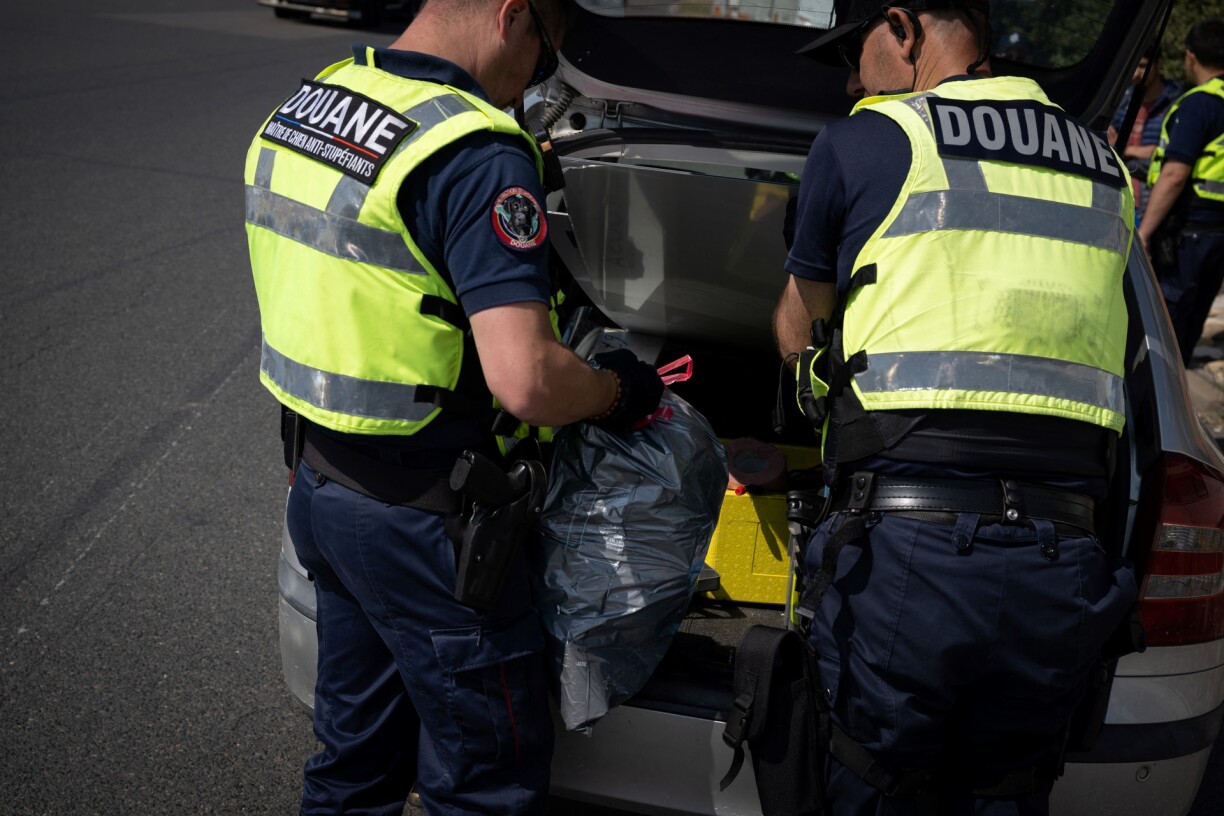
The two individuals arrested travelled to the Grand Duchy to purchase tobacco products before redistributing them in Dijon, taking advantage of tax differences and lower prices to feed a local parallel market.
Searches carried out simultaneously at their homes confirmed both the scale and the frequency of the shipments: more than 92 kilos of tobacco and €2,900 were seized at the first address, and a further 40 kilos and over €10,000 at the second.
Analysis of their mobile phones revealed repeated transactions and a methodical organisation of trips between Dijon and Luxembourg, indicating a stable supply route rather than occasional opportunistic purchases.
Customs authorities have identified several offences directly linked to this Luxembourg-based supply chain, including customs-related money laundering, unlawful possession of tobacco, breach of the retail sales monopoly, transporting tobacco for commercial purposes, and undeclared work. The two suspects were placed in customs detention and will stand trial in summer 2026.
Beyond the seizures, the investigation is now focusing on the logistics of sourcing tobacco in Luxembourg and the local distribution network.
The case highlights the pressure cross-border sourcing places on the legal tobacconist network of France and on public revenue, particularly when trips to Luxembourg become part of an organised clandestine business model.
According to customs officials, shutting down such networks relies on tracking movements, coordinating between services and pursuing the financial aspects through the courts in order to target supply chains at their source.





