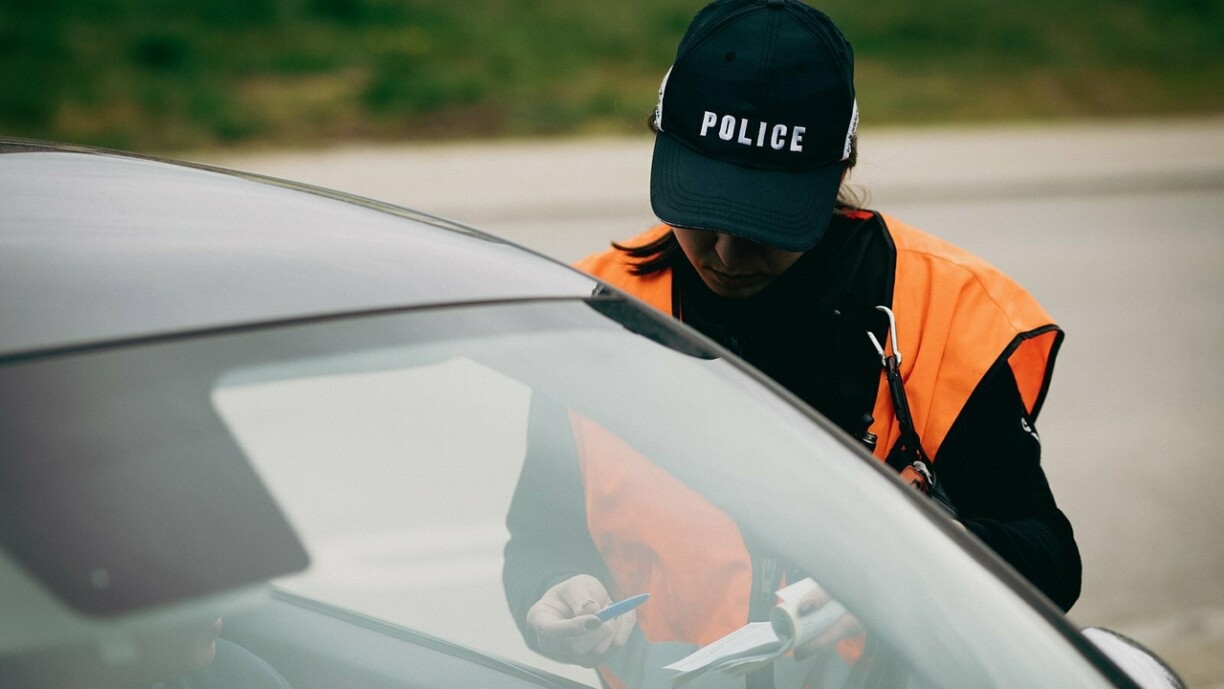
Police checks are there to ensure road safety and motorists can quickly find themselves in such a situation. What are officers allowed to do in such situations, and what not?
According to Lentz, "the answer is no. The police always require a reason to search a car boot." This requirement is stipulated in the penal code ordinances ART.48.10 and ART.48.11. In particular, ART.48.10 specifies that the police need evidence indicating the involvement of the driver or passenger in a crime or offence.
In such cases, if the police find such evidence, they have the right to search the boot. However, the search must always take place in the presence of the driver or vehicle owner. If they are absent, the search may proceed with the authorisation of the public prosecutor.
Lentz clarifies, "the answer is also no. There is no specific requirement for two officers to conduct a check. However, it is preferred for security reasons."
Lentz says officers are not necessarily required to identify themselves immediately. However, they must be able to identify themselves if specifically requested by a citizen.
During a vehicle inspection, certain documents must be presented to the police. Lentz lists the necessary papers, stating, "according to ART.70 of the Road Traffic Regulations, motorists must provide their driving license, training booklet for those in training, probationary period booklet for probationary drivers, registration certificate (commonly known as the grey card), insurance information, tax sticker, and technical inspection certificate."
Drivers should of course make sure that all documents presented are valid and not expired.
In the event of being stopped, it is either a routine check or you were spotted breaking the law. If it's the latter, it is best to take responsibility and avoid fabricating stories when interacting with police - this will only backfire, says Lentz.





