Here are five things you should know at the end of this week:

Widespread impact – On Monday, supermarkets across Belgium, Luxembourg, and seven other European countries experienced a cyberattack that targeted their refrigeration systems. Major chains including Delhaize, Carrefour, Colruyt, and Intermarche reported disruptions, with dozens of stores affected in Belgium and at least four Delhaize outlets in Luxembourg. Despite the attack, retailers assured customers that operations continued and product freshness was not compromised.
EU response and investigation – The European Union responded swiftly, with food and agriculture commissioner Christophe Hansen calling the incident a deliberate attempt to disrupt the food supply chain. Belgian federal prosecutors have opened an investigation, and affected countries such as Italy are holding cybersecurity meetings with intelligence services. No group has claimed responsibility for the attack, and investigations are ongoing to determine the source and method.
Ongoing cybersecurity concerns – This incident follows a recent cyberattack on French supermarkets and comes amid heightened concern over vulnerabilities in critical infrastructure. Experts note that older refrigeration systems and external service providers were particularly exposed. While the immediate problems have been resolved in most locations, the EU and national authorities are taking the threat seriously, emphasising the need for improved security measures to protect essential services.

High energy prices – STATEC, Luxembourg’s National Institute for Statistics and Economic Studies, has warned that inflation will remain higher for longer than previously anticipated. The main driver is persistently high energy prices, which are expected to keep inflation elevated across the eurozone. According to STATEC, inflation is unlikely to fall back to the 2% target before 2028, with Luxembourg’s rate at 2.7% in October.
Support measures – Government support measures agreed during recent tripartite negotiations are helping to contain inflation. These measures are projected to reduce inflation by around 0.7 percentage points next year, potentially preventing an additional wage indexation. STATEC’s central scenario sees inflation stabilising at 2.5% over the next two years, though actual rates could fluctuate between 2 and 3% depending on energy market developments.
Wage indexation outlook – The timing of the next wage indexation in Luxembourg will depend on how prices evolve. STATEC currently anticipates the next adjustment in the second quarter of next year, with another likely in the second quarter of 2028. The most recent wage indexation occurred in June this year. Full details of the updated forecasts are available on the STATEC website.

Big Brother? – The Council of State’s main criticism targets the bill’s lack of clear limits on where and how many cameras could be installed, as well as who would authorise their deployment. The Council warns that, without stricter definitions, the law could enable permanent surveillance across Luxembourg, raising significant privacy concerns for the public.
Lack of clear boundaries – Further objections focus on the draft law’s provisions for data retention and access. The Council questions the rationale for storing data for 28 days even when no matches are found, and highlights the absence of clear rules on which police and customs databases may be used. The boundaries for intelligence agency access also remain undefined.
Political reactions – Home Affairs Minister Léon Gloden expressed surprise at the Council’s harsh assessment but remains open to minor adjustments. The LSAP and the National Data Protection Commission have echoed concerns about fundamental rights and data privacy. The draft law will now undergo internal review, with calls for further parliamentary scrutiny to ensure constitutional compliance.
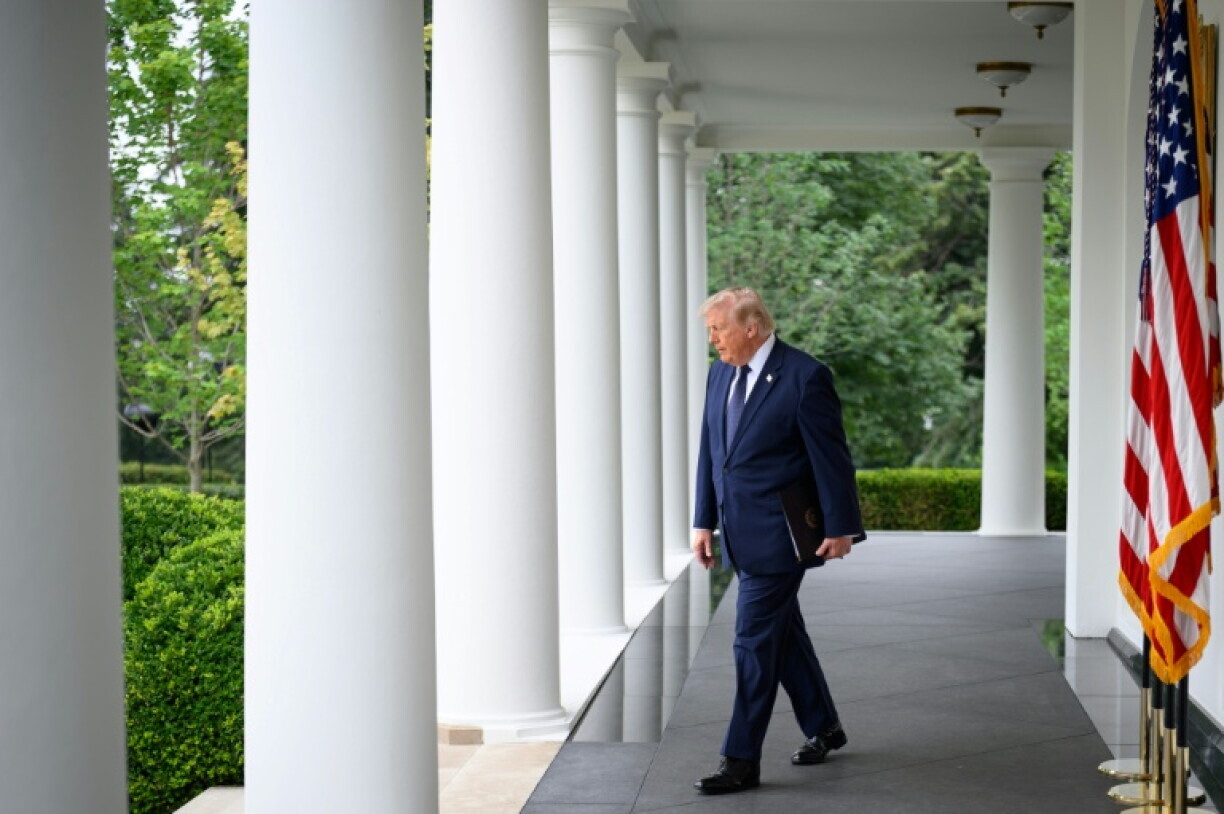
Trump'ed expectations – Democrats not only won majorities in both the US House of Representatives and the Senate, but also flipped control of at least 11 state legislative chambers and secured new trifectas in five states. These victories give the party major influence over policy areas such as health care, taxation, and education, particularly in states like Texas and Georgia where Democrats had not held power for decades.
MAGA blow – The midterm results delivered a personal blow to President Donald Trump, leaving him as a lame duck for the remainder of his term. Republican infighting has already surfaced, with Vice President JD Vance and Florida Governor Ron DeSantis publicly distancing themselves from Trump. Despite the setback, Trump signalled he would use his veto powers and maintain a strong stance internationally.
'Lame duck' president – Luxembourg MP Gusty Graas welcomed the clarity of the US election outcome but cautioned against excessive optimism. He noted that while Trump is weakened domestically, little fundamental change is expected in US foreign policy, especially regarding NATO and Ukraine.
Similarly, Luxembourg Foreign Minister Xavier Bettel, LSAP MP Yves Cruchten and CSV MP Laurent Zeimet hailed the US midterm results as a win for democracy but still err on the side of caution. In an RTL interview, Bettel noted that Trump now needs to compromise if he wants to avoid becoming a "lame duck" president ahead of the next election.

False alarm – At least 14 European flights were targeted by hoax bomb threats on Thursday, following similar incidents earlier in the week. The alerts led to aircraft diversions, military jet escorts, and heightened airport security. Low-cost carriers such as Ryanair and Wizz Air were particularly affected, with flights to and from Bulgaria, the Czech Republic, and Italy among those disrupted.
Authorities confirmed that all planes landed safely and no explosives were discovered.
Military and police response – The spate of threats prompted rapid responses from national air forces and police. Italian, French, and Bulgarian fighter jets escorted several planes to safety, while airports in Warsaw and Plovdiv were temporarily closed for security checks. Emergency protocols were activated in multiple countries, and passengers were evacuated as a precaution.
Despite the scale of the disruption, officials stressed that the credibility of the threats was low.
Unclear motives and ongoing concerns – The origin and motives behind the bomb threats remain unknown, though authorities noted a broader rise in hybrid attacks across Europe. No group has claimed responsibility, and investigations are ongoing. The incidents have raised concerns about aviation security and the potential for further disruptions.
Airlines and officials are maintaining heightened vigilance as the situation develops.
Business & Tech – Stock markets diverged Thursday as traders weighed President Donald Trump's hefty defeat in the US midterm elections against lingering concerns about huge AI investments and data centres.
Your Weekly Recap is published every Friday at noon. Read earlier versions here.


