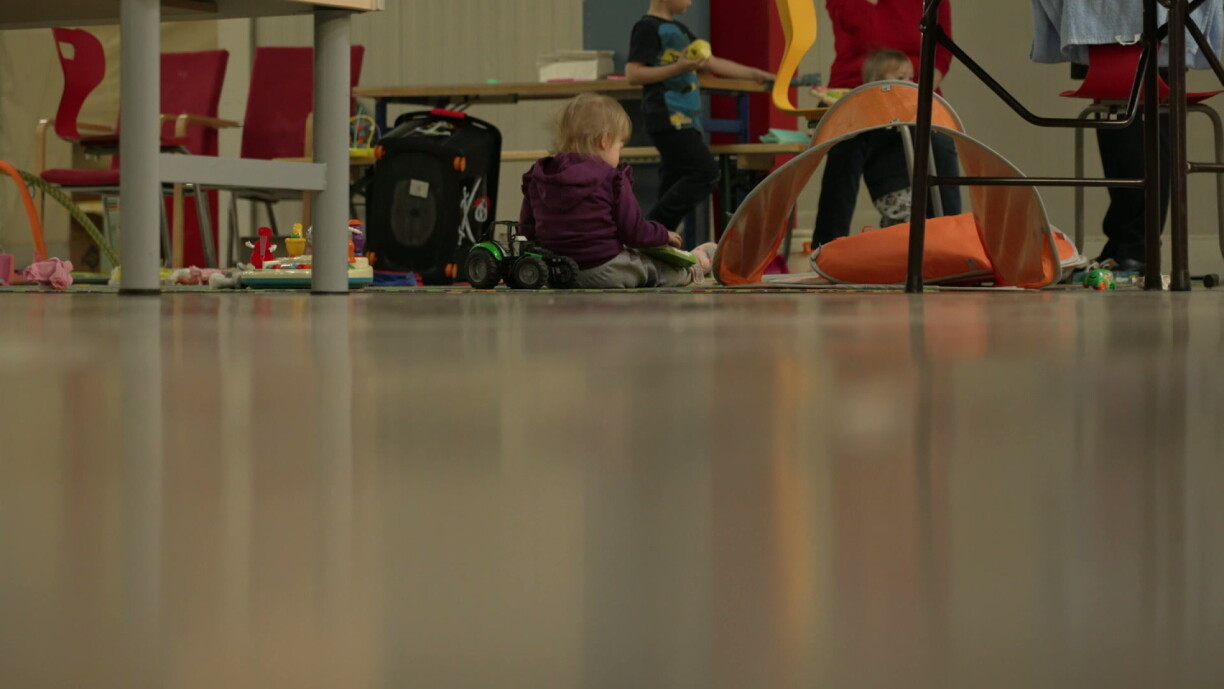
When the first Ukrainians arrived in Luxembourg, the refugee shelter in Kirchberg was set up as a temporary solution, intended to operate for just a few months. More than four years later, the centre is still in operation, and Anne Frausing, who has worked there with the Luxembourg Red Cross since the very beginning, has chronicled her experiences in a new book.
RTL spoke with Frausing about her motivation and the stories that shaped her writing.
Frausing explains that writing became a way to process her time at the shelter, a means of gaining perspective and coming to terms with what she had witnessed.
She explains that it initially allowed her to digest what she experienced, to gain some distance and reflect on how it all affected her. She hopes that the book reaches a Luxembourgish audience, maybe even refugees themselves, or people in Ukraine who want to know what happened to those who left their country.
Fundamentally, she wants people to engage with this reality, to understand what has happened, and what is still happening, in a shelter that was only supposed to be temporary, but has now existed here in Kirchberg for more than four years.
Turning those experiences into a book, Frausing says, started by organising her memories around specific themes; for instance, a topic like ‘making yourself a present’ or ‘giving another person a present’, and then using that theme to structure her recollections.
For the chapter on presents, she wrote about a woman who, through an imagined pregnancy, gave herself a present.
While the book is deeply personal – Frausing writes about her own physical and emotional experiences at the site – it also addresses political issues.
She explains that, as social workers, they effectively have to represent the country's policies, which is not easy when asked to enforce rules like expelling people from the camp or telling them that they are not admissible, even if that person is in real distress.
Frausing hopes her book will raise awareness, even move people, by making them more conscious of the realities inside the Kirchberg centre. She says that the conditions under which Luxembourg receives refugees could, in her opinion, be improved.
Le Village des tentes documents Frausing’s experiences in black and white, telling not only her own story, but also those of the people she worked with each day, offering a unique perspective on the ongoing realities for refugees in Luxembourg.


