
Here are five things you should know at the end of this week:
________________________________________________

No exception – Luxembourg’s repeated calls for a carve-out from Belgium’s upcoming motorway vignette have been firmly rejected by the Wallonia government. Officials insist the toll must apply everywhere, including border municipalities where many motorists travel only short distances. The government says the measure is about fairness, requiring all users, Belgian or foreign, to contribute equally to road maintenance and infrastructure funding.
Up to €100 – Steinfort’s mayor, Sammy Wagner, has voiced concerns about the knock-on effects for cross-border traffic. He fears that drivers will avoid Belgian motorways to sidestep the annual fee – set at €100 for combustion vehicles and €90 for electric cars – potentially increasing traffic through Luxembourg’s local roads and villages. Wagner is calling for pragmatic support from Luxembourg’s government to help manage any additional congestion.
Not over yet – Luxembourg’s Mobility Minister Yuriko Backes has stated that the government will review the final legal texts for compliance with EU law once available. The government only learned of the vignette’s confirmation through media reports and has yet to receive an official response to its exemption proposal. Local authorities and the ministry are preparing to assess the scheme’s impact and legality, while dialogue continues with neighbouring Belgian municipalities.
________________________________________________
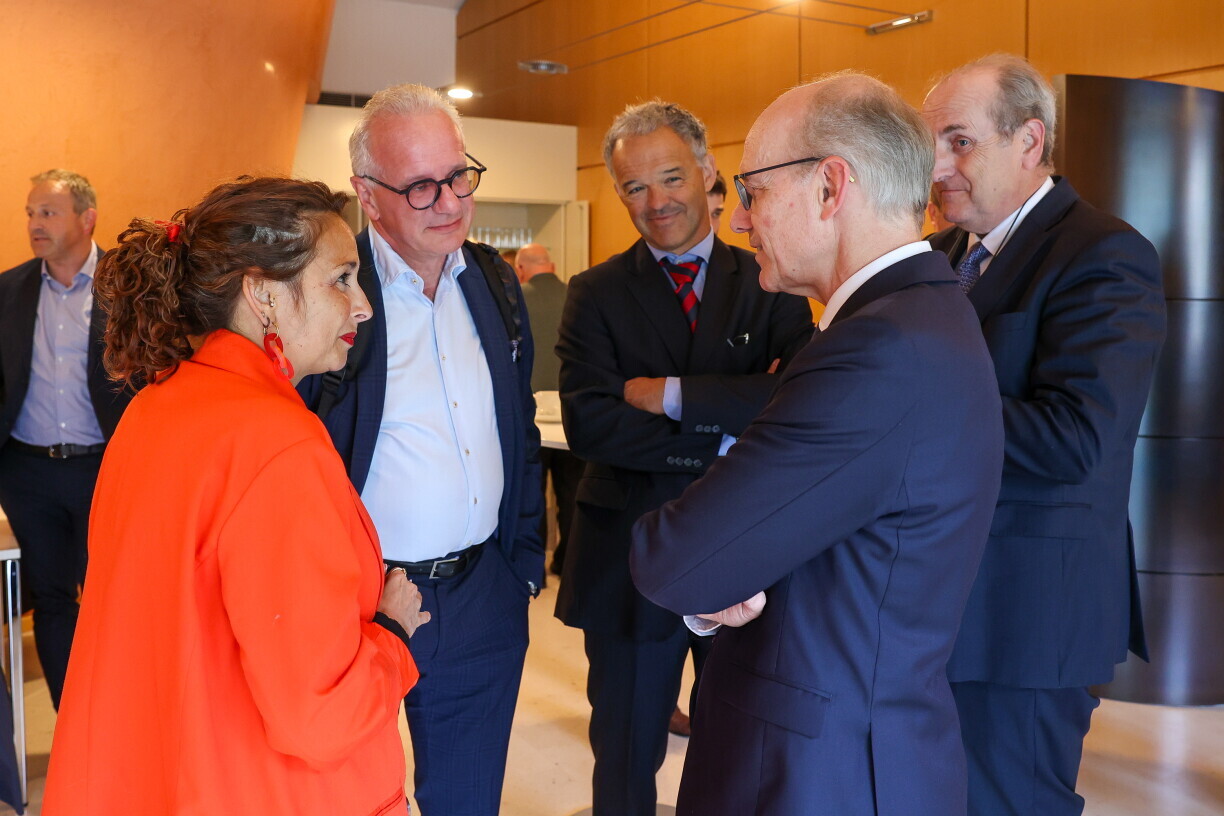
Following up – The government and Luxembourg’s main social partners gathered in Senningen to review the anti-inflation and purchasing power measures agreed at June’s tripartite. The meeting, planned in advance, aimed to evaluate the effectiveness of relief measures such as lower fuel excise duties, interventions in energy markets, and a minimum wage increase, all designed to curb inflation and limit wage indexation rounds.
Economic uncertainty – While Prime Minister Luc Frieden said the measures have strengthened purchasing power and slowed inflation, both unions and employers voiced concerns about ongoing economic uncertainty. Union leaders stressed the importance of maintaining wage indexation and called for continued dialogue, while employer representatives urged the government to base future decisions on updated economic scenarios and STATEC forecasts.
Revised projections – The national statistics institute STATEC is recalculating its inflation projections and expects to publish new forecasts within two weeks. These will clarify the risk of further wage indexation and help determine whether the current support measures should be extended or adjusted. Another follow-up meeting is scheduled for 29 October, where concrete figures will be discussed and further steps may be announced.
________________________________________________
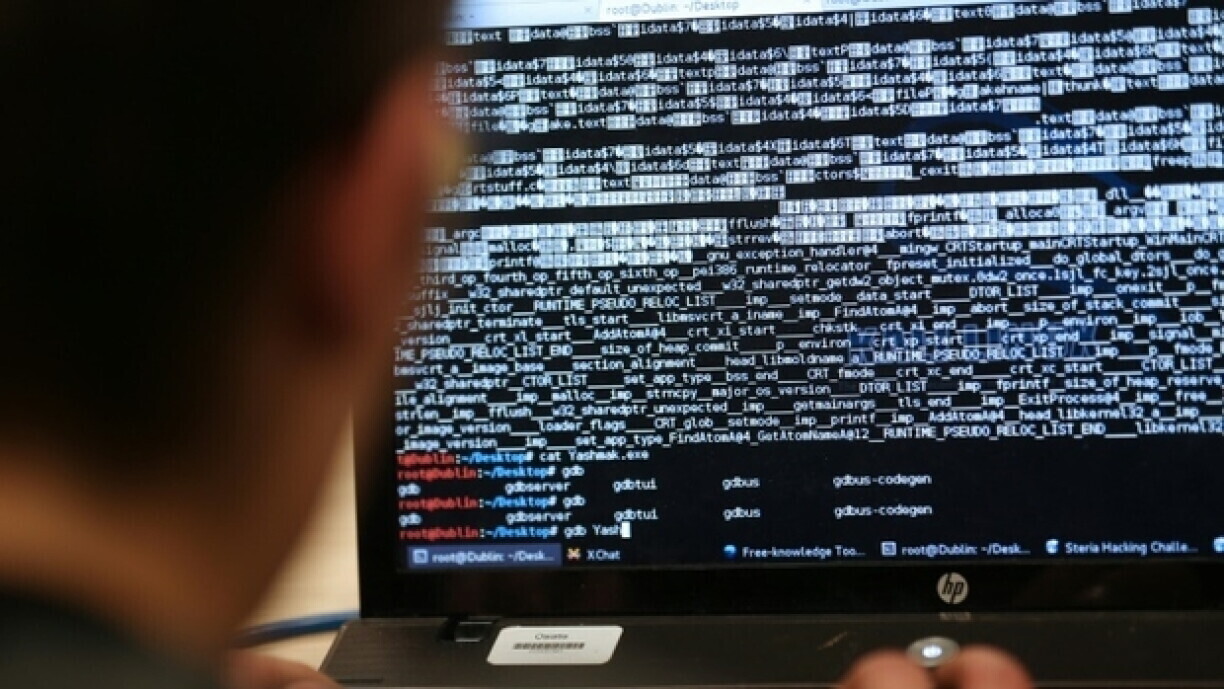
Websites at risk – Two critical security flaws in PHP, a programming language powering up to 70% of websites globally, were uncovered by AI tools and announced on Wednesday. The vulnerabilities allowed hackers to potentially execute malicious code on servers without authentication, putting countless public and private platforms at risk. In Luxembourg alone, over 5,000 sites rely on PHP, highlighting the broad impact and urgency of the situation.
Swift response – Luxembourg authorities, including the Cyber Risk Assessment Cell and the Government IT Centre, responded quickly by recommending immediate updates and temporarily taking several state services offline. Major websites such as those of the Chamber of Deputies, City of Luxembourg, and the financial regulator CSSF became inaccessible as a preventive measure.
Luxembourg House of Cybersecurity's Pascal Steichen explained that the flaw could allow criminals to compromise websites and potentially access stored data, including credit card details, but does not affect banking systems, LuxTrust or apps that process transactions. He added that no cyberattacks have been reported, but the situation continues to be monitored.
Not out of the woods yet – The flaws were discovered using advanced AI models, marking a new phase in cybersecurity where AI can identify vulnerabilities at scale. While there is little evidence of active attacks so far, experts warn that some sites may remain unpatched and vulnerable for weeks. Authorities stress the importance of rapid updates and risk assessments, as even brief delays could leave systems exposed to potential exploitation.
________________________________________________
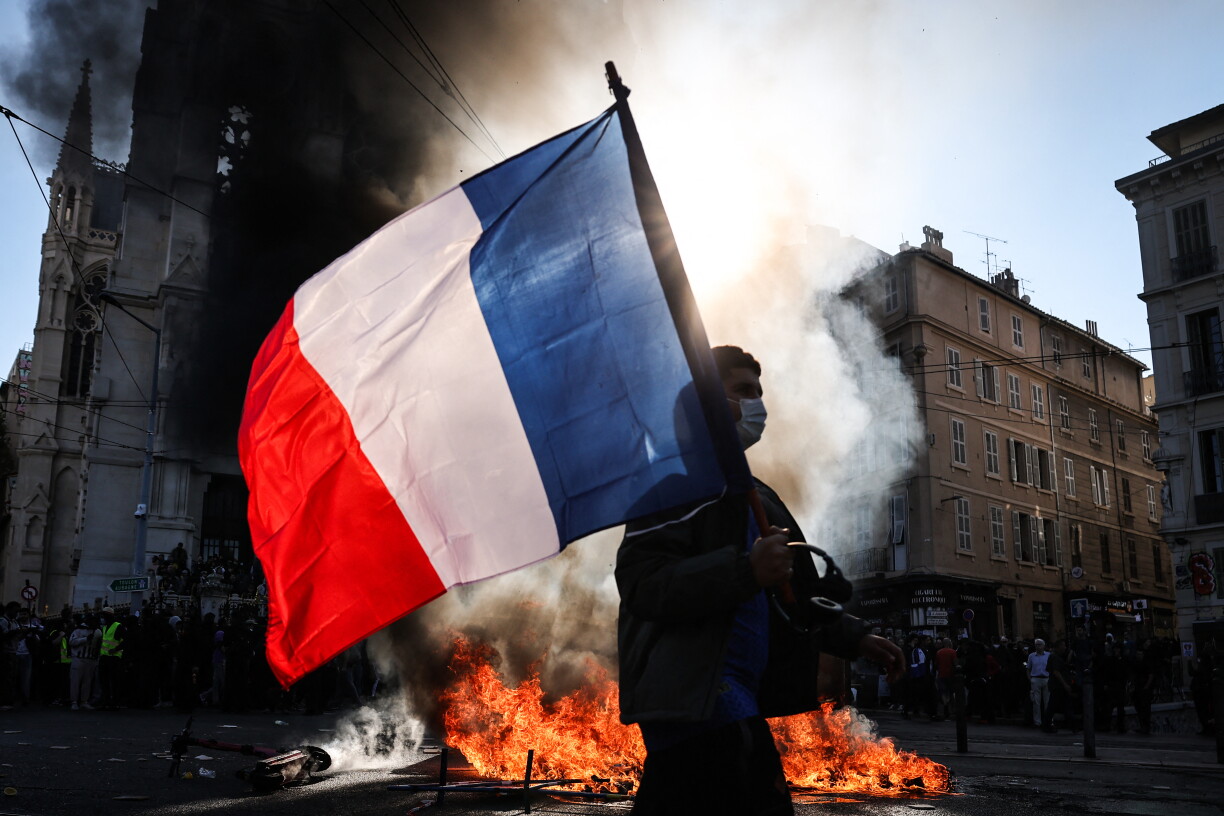
Curfews and bans – Following some of the worst street violence in years, French authorities have imposed curfews and banned protests in cities including Paris, Lyon, and Lille. The government acted after demonstrations over surging living costs escalated into widespread looting, arson, and clashes with police. Officials say the priority is restoring calm, with President Emmanuel Macron and Prime Minister Sébastien Lecornu vowing a firm response while not ruling out further security measures.
French courts are fast-tracking trials and convictions linked to last weekend's rioting, the justice minister said Thursday, hailing the judiciary's "extremely firm" response. Gerald Darmanin said 2,700 people had been detained since Saturday. More than 1,000 of them had appeared in court, he said, of whom "217 people have been imprisoned... and this figure is continuing to rise a lot".
Notably, one trial in Metz included a 25-year-old Luxembourg entrepreneur, who admitted to smashing the window of a clothing shop, stealing garments, and intending to resell them online. The government says the accelerated legal processes are needed to restore order after some of the worst urban violence in recent years. But courts are also overwhelmed, while some lawyers say the scale of the hearings reeks of state repression.
Too much, too little – The unrest has exposed deep divisions in French society and intensified the political debate ahead of next year's presidential election. Both far-right and far-left candidates have seized on the government's handling of the crisis, with critics accusing authorities of either excessive force or lack of control. The protests, initially sparked by cost-of-living concerns, have drawn a diverse crowd, from students to Yellow Vest activists, and have been marred by violence from organised groups and opportunistic vandals.
No picnic – France's tourism sector is feeling the effects, with hotel bookings dropping and iconic sites like the Louvre temporarily closed due to protests. Several countries, including the US, China, Thailand, and Malaysia, have issued travel advisories or urged caution for citizens visiting France. Industry experts warn that prolonged unrest could have a significant impact on the country's vital tourism industry, which relies on millions of international visitors each year. Several museums have closed down, fearing damage from riots.
Europe has experienced a recent surge of protests over the rising cost of living and other societal issues, with Spain and more recently Portugal among the countries seeing massive demonstrations.
________________________________________________

'Productive' talks – US envoy Steve Witkoff held 'very productive' talks with Ukrainian President Volodymyr Zelensky in Oslo before meeting Russian President Vladimir Putin in Saint Petersburg. The meetings aimed to ease tensions and explore new proposals developed with European partners. However, the Kremlin dismissed these ideas as lacking substance, and both sides remain far apart on key issues, with Moscow demanding large concessions from Ukraine.
Strikes continue – Shortly after the US-Russia talks, Russia launched ballistic missile strikes across a dozen Ukrainian regions, including Kyiv. The attacks killed at least two people and wounded more than 30, damaging residential buildings, energy sites, and a monastery. President Zelensky said the strikes demonstrated "no real change" in Russia's stance and called for continued international pressure and more air defence support from allies.
Trump and Putin cosy up – Recent US actions, including blocking new sanctions on Russia and striking a diesel deal, have fuelled concerns in Kyiv and Europe that Washington may be pivoting towards Moscow. President Trump has called for Zelensky to be replaced and suggested Ukraine accept a deal with Russia. With a potential summit involving Trump, Putin, and China's Xi Jinping on the horizon, Ukrainian officials insist they must be included in any talks about their country's future.
On Friday, Kremlin spokesman Dmitry Peskov told reporters talks between Russia, Ukraine and the United States are "planned" to resume in November in Abu Dhabi.
________________________________________________
Your Weekly Recap is published every Friday at noon.
Read earlier versions here.


