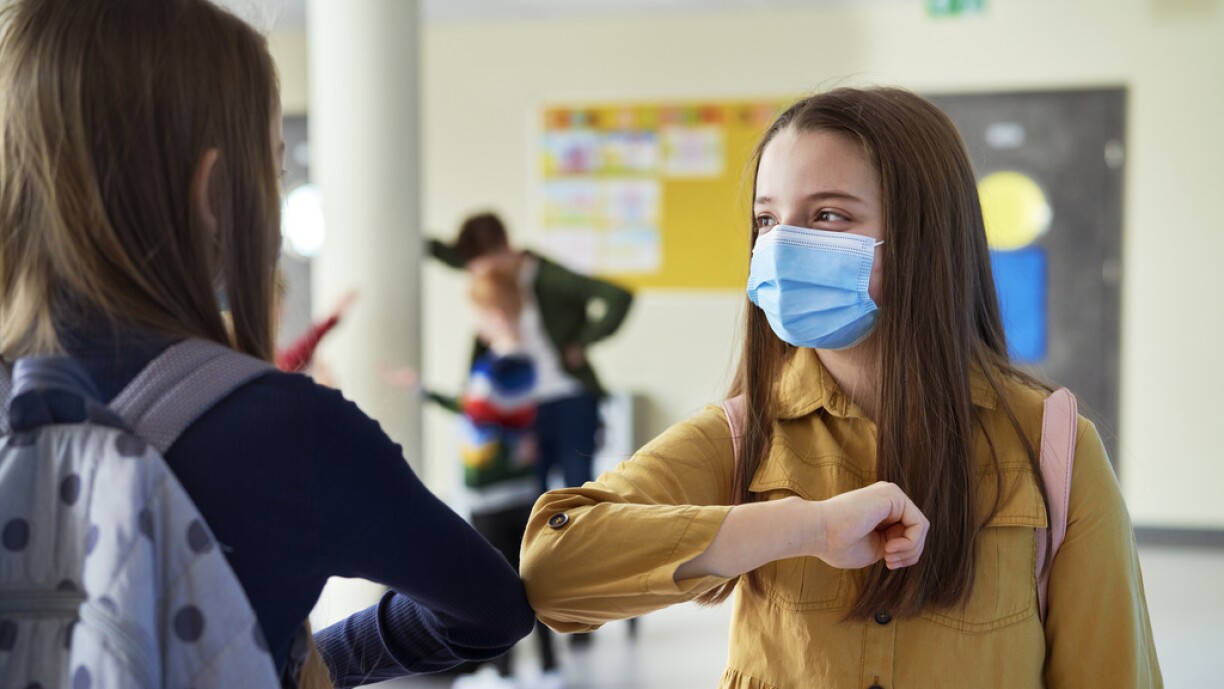
During the pandemic, pupils lost around 35% of the curriculum across the course of a year, compared to pre-Covid years.
The most affected pupils were children from lower socio-economic backgrounds, as the lack of in-person teaching through lockdowns greatly exacerbated existing learning difficulties. A greater learning deficit was observed in low- to middle-income countries, which struggled with pre-existing learning crises prior to the outbreak of the virus.
Researchers recommended compensating for these deficits with additional support for struggling pupils.
The studies examined for the report noted that deficits were more likely to be found in mathematics than reading. The report's authors attributed this to the fact that parents were likely to have found it easier to support their children with reading during lockdown, than resolving maths exercises.
The analysis looked at results from studies carried out in 15 countries, including the United States, Great Britain, Mexico and Brazil. No Luxembourg study was taken into account.
Klaus Zierer, professor of school education at the University of Augsburg in Germany, said the learning deficit could create a "coronavirus generation", suffering long-term effects of the pandemic. This would primarily be the case for younger pupils from impoverished backgrounds.
"The sooner you can take countermeasures, the better. The problem is surely that there is a lack of staff, due to a (global) shortage of teachers. In addition, the concepts have not been sufficiently developed and everything is guided towards digitisation. However, this did not prove itself as a saviour during the pandemic, but instead became a driver for gaps in education, particularly due to increasing consumption during leisure time. Instead, digitisation is pushing up educational injustice, as digital media is used differently depending on the level of education. The challenge now is to offer up reasonable concepts here over the next two to three years," explained the education specialist.
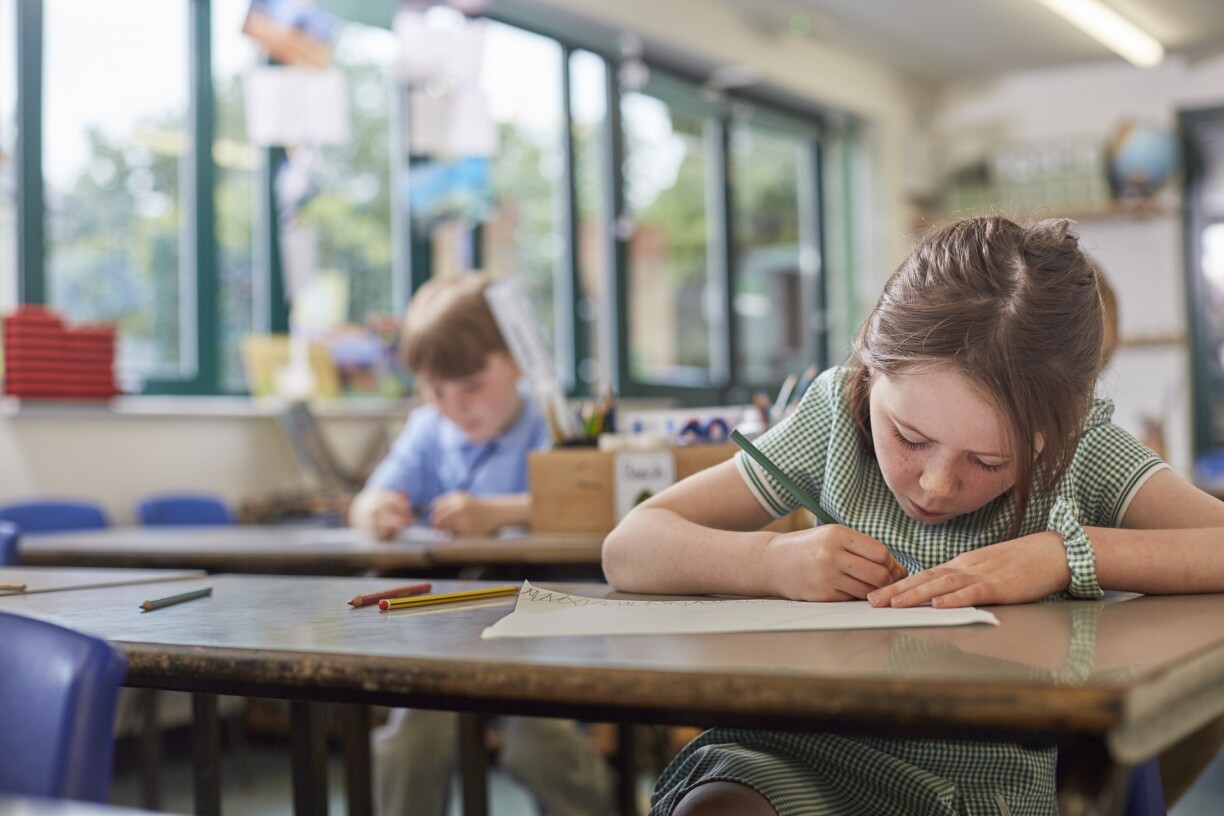
When questioned, the Luxembourg Ministry of Education indicated that the competences shown by pupils in standardised tests have remained fairly stable over the past few years. Luxembourgish schools were open longer than other countries through the duration of the pandemic, meaning that Luxembourg pupils have largely weathered the crisis better than others. Similar conclusions were presented in an educational report in late 2021.
However, in spite of test results, the education ministry said there were still learning deficits observed in Luxembourg schools. In addition to the gap observed between students from different linguistic backgrounds, socio-economic factors also played a role in inequalities among the school population.
Original article published on Nature Human Behaviour
Standardised test results in Luxembourg





