Here are five things you should know at the end of this week:

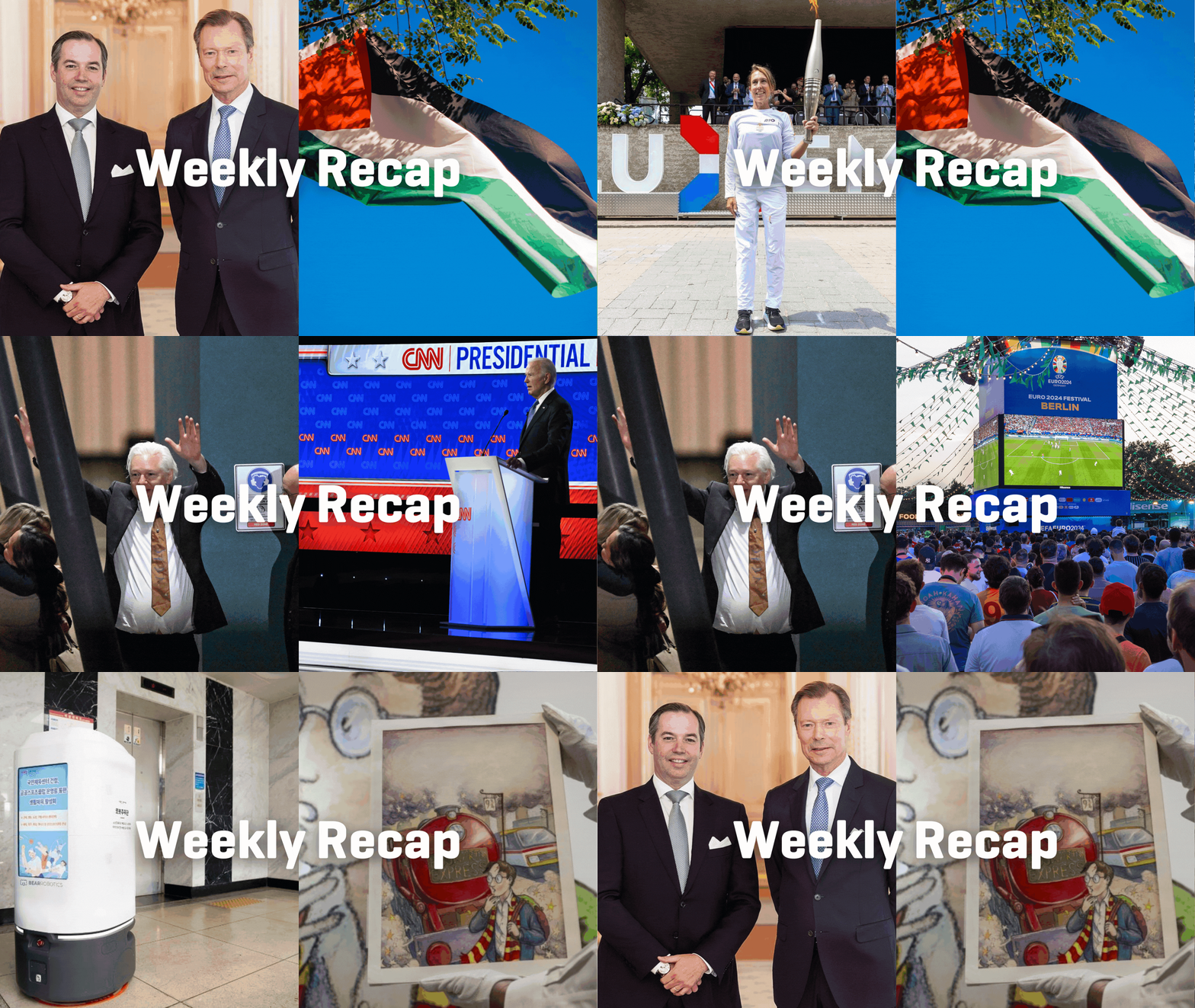
Grand Duke Henri of Luxembourg announced he will start transferring powers to his son Prince Guillaume in October, marking the beginning of his abdication process.
Surprise announcement – Grand Duke Henri has decided to begin transferring his powers to his son, Hereditary Grand Duke Guillaume, starting in October, which signifies the commencement of his abdication. This announcement was made during the annual National Day address, surprising the public, although Prime Minister Luc Frieden revealed that the decision had been contemplated for some time.
Henri, who has been Grand Duke since 2000 following his father Jean's abdication, expressed his love and confidence in Guillaume, wishing him success as he prepares to take on greater responsibilities.
Transition underway – Prince Guillaume will be appointed as Lieutenant-Representative, a position which the Luxembourg Constitution permits a 'prince of the blood' to hold, allowing him to act on behalf of the Grand Duke while residing in the Grand Duchy.
According to historian Jean-Marie Majerus, the role now signals an imminent royal succession. The Lieutenant-Representative can undertake a wide range of duties from formal tasks like receiving ambassadors to significant acts such as approving legislation, although the Grand Duke remains the official head of state until the abdication is complete.
Duties to be defined – The duration of Guillaume's lieutenancy remains uncertain, with past lieutenancies in Luxembourg lasting between two and a half to three and a half years. The specifics of the duties he will assume from Grand Duke Henri will be decided by the current monarch, and Guillaume will need to take an official oath as part of the transition.
The forthcoming ceremony in autumn will mark the sixth lieutenancy in Luxembourg's history, setting the stage for Guillaume's eventual full assumption of the title of Grand Duke.
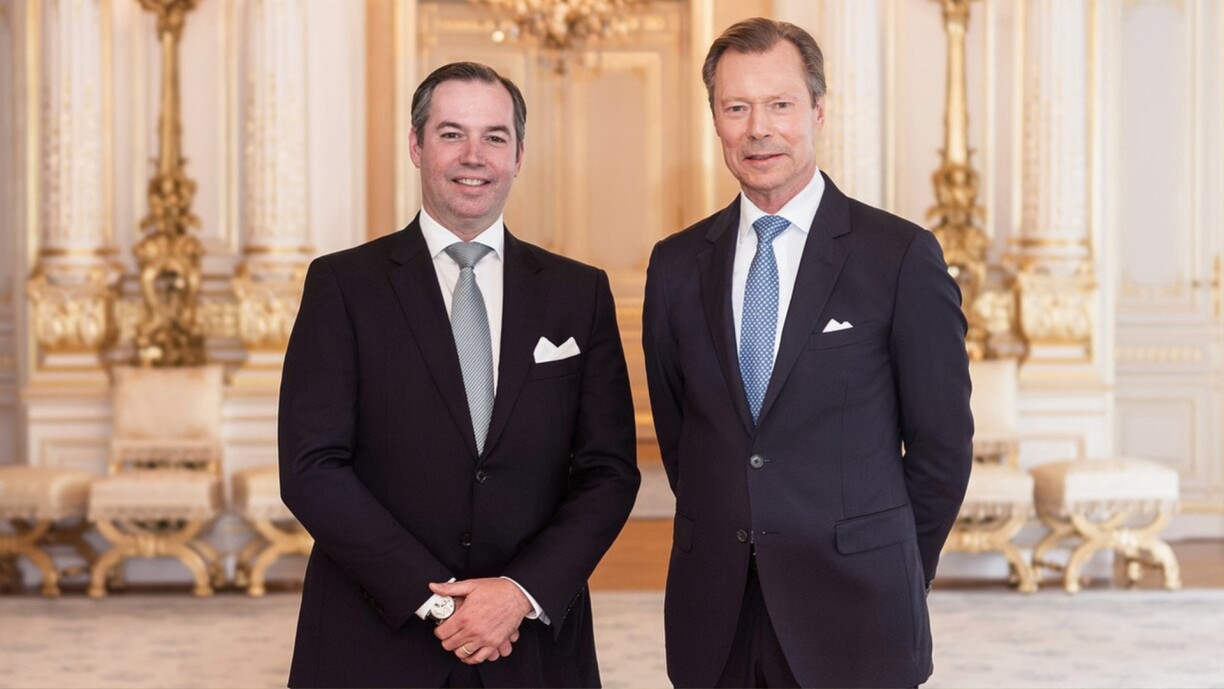
Luxembourg's Chamber of Deputies has delayed the recognition of Palestine despite growing public support and will revisit the issue at the end of the year due to concerns about political repercussions.
A public petition had garnered sufficient support to be discussed in the Chamber, but a motion by the Luxembourg Socialist Workers' Party (LSAP) was rejected by the majority, prompting discussions about missed opportunities for recognition.
Advocates for recognition argue that recognising Palestine is crucial for addressing the ongoing struggles of Palestinians and is not anti-Semitic or anti-Israeli, emphasising the need for Luxembourg to align with other countries that have recognised Palestine.
Vote delayed – Despite increasing public support and pressure, the government has chosen to wait for a more opportune moment to vote on the recognition of a Palestinian state, citing concerns over the current political situation in Israel and possible negative consequences for Palestinians. This decision follows the submission of a petition and ongoing debates within the Chamber of Deputies.
Pressure mounts – The petition initiated by Halid Karajbic, which quickly amassed 5,300 signatures, and a motion from the LSAP were both central to recent discussions in the Chamber. Despite the momentum, the majority coalition rejected the motion, leading to criticism from various factions about missed opportunities for Luxembourg to join the 145 UN member countries that have recognised Palestine.
Advocates argue that the decision to delay undermines the growing public sentiment and international trends toward recognition.
Moral obligation alleged – Proponents of recognising Palestine argue that such a move is essential for addressing the enduring hardships faced by Palestinians, including travel restrictions and systemic segregation. They emphasise that recognising Palestine is a matter of human rights and justice, not anti-Semitism or an anti-Israel sentiment.
Some highlight that earlier recognition could have mitigated the influence of groups like Hamas and stress that Luxembourg has a moral obligation to align with other nations that have already taken this step.
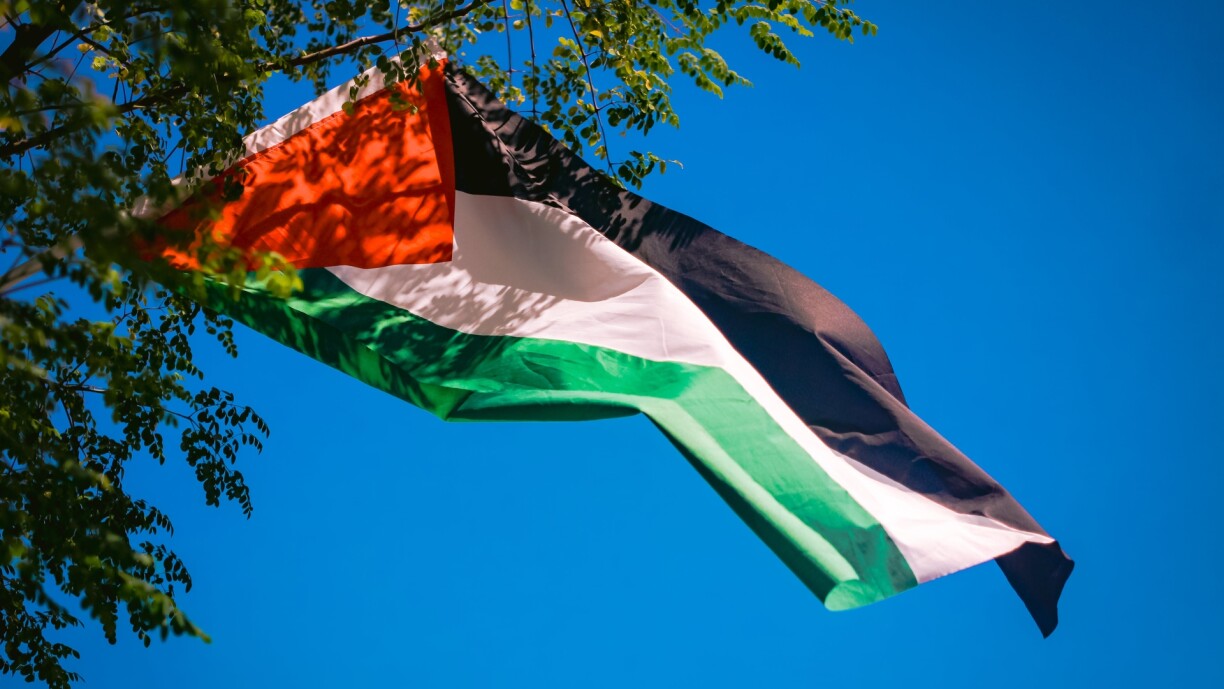
The Olympic flame on Thursday returned to Luxembourg for the first time since 1948, arriving shortly after 1pm and traveling from Apach, France, through Perl, Germany, to Schengen in the Grand Duchy.
Luxembourgish tennis icon Anne Kremer carried the flame to Place des Étoiles, where it was received by Grand Duke Henri, Grand Duchess Maria Teresa, and Prince Louis.
The flame eventually continued its journey to Yutz, France, on Thursday afternoon before arriving in Metz in the evening.
Historic arrival – The Olympic flame made a historic return to Luxembourg for the first time since 1948, marking a significant moment for the country. The flame arrived shortly after 1pm on Thursday, beginning its journey along a 1.2km-long route from Apach in France. It passed through Perl in Germany before entering Schengen, symbolising a moment of unity and celebration among the neighbouring countries.
Unforgettable honour –Luxembourg tennis icon Anne Kremer was honoured to carry the Olympic flame to Place des Étoiles, an event that she described as unforgettable. Kremer was selected by the Olympic Sports Committee of Luxembourg at the end of 2023, highlighting her esteemed status in Luxembourg sports.
Upon reaching Place des Étoiles, the flame was ceremoniously received by Grand Duke Henri, Grand Duchess Maria Teresa, and Prince Louis.
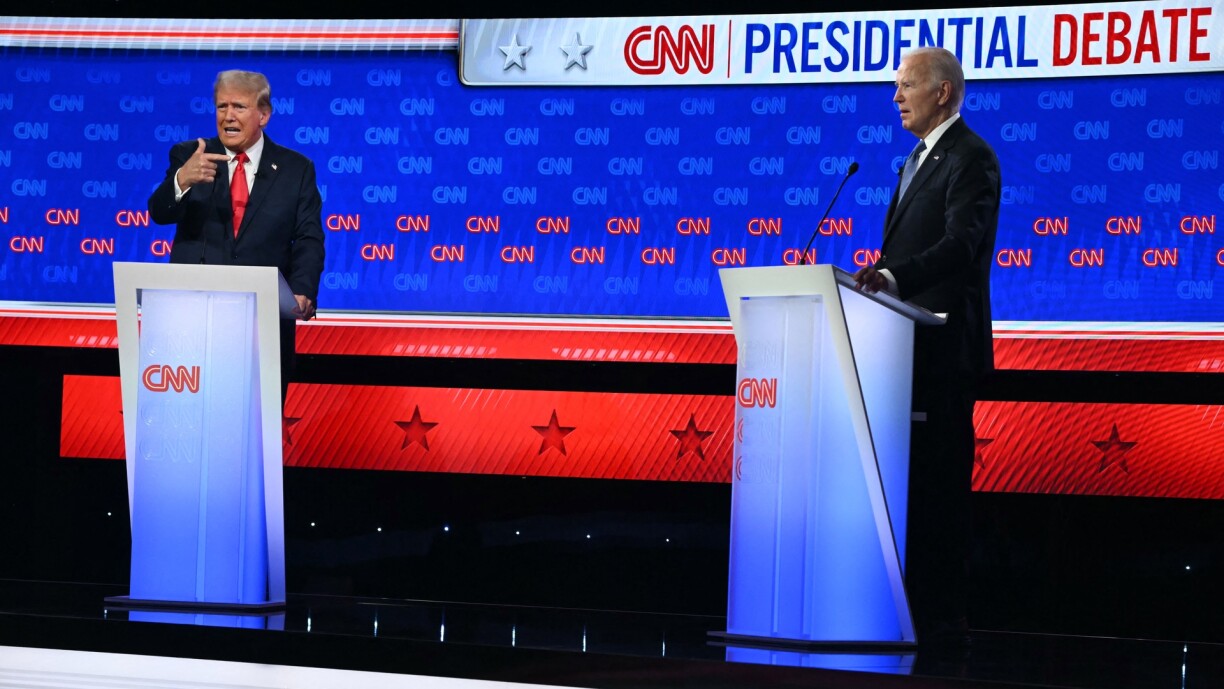
Incumbent US President Joe Biden struggled during the first presidential debate, showing signs of age-related issues, which sparked concern within the Democratic Party, especially as polls show Donald Trump tied or ahead for the election.
Donald Trump appeared more authoritative and energetic, taking advantage of the debate format that limited interruptions, which helped him appeal to swing voters despite making several false claims.
Both candidates focused on personal attacks rather than policy, with Biden calling Trump a "convicted felon" and Trump labelling Biden the "worst president", highlighting their mutual animosity.
Biden viability in doubt – During the debate, Joe Biden exhibited noticeable signs of aging, including a halting, raspy voice, and difficulty with coherent delivery, which raised alarms within the Democratic Party. Despite his efforts to counter Trump with prepared lines, Biden's performance was described as lackluster and disappointing by analysts and supporters alike.
This poor showing was especially troubling given that recent polls indicate Trump is either tied with or leading Biden in the race, intensifying worries about Biden's viability as the Democratic candidate for the upcoming election.
Trump in the lead – Donald Trump capitalised on the debate format that limited interruptions, allowing him to appear more controlled and authoritative compared to his usual boisterous style. This more disciplined approach helped him appeal to swing voters, particularly on critical issues like the economy and immigration, despite the fact that he repeated numerous falsehoods throughout the debate.
Trump's ability to project confidence and energy stood in stark contrast to Biden's faltering performance, giving him an edge in the eyes of many viewers and analysts.
Personality over policy – The debate was marked by a barrage of personal insults rather than substantive policy discussions, underscoring the deep animosity between Biden and Trump. Biden called Trump a "convicted felon" and attacked his character, while Trump retaliated by labeling Biden the "worst president" and questioning his coherence.
For the most part, this intense personal rivalry overshadowed any meaningful debate on policies, reflecting the contentious and highly polarised nature of the current political landscape.
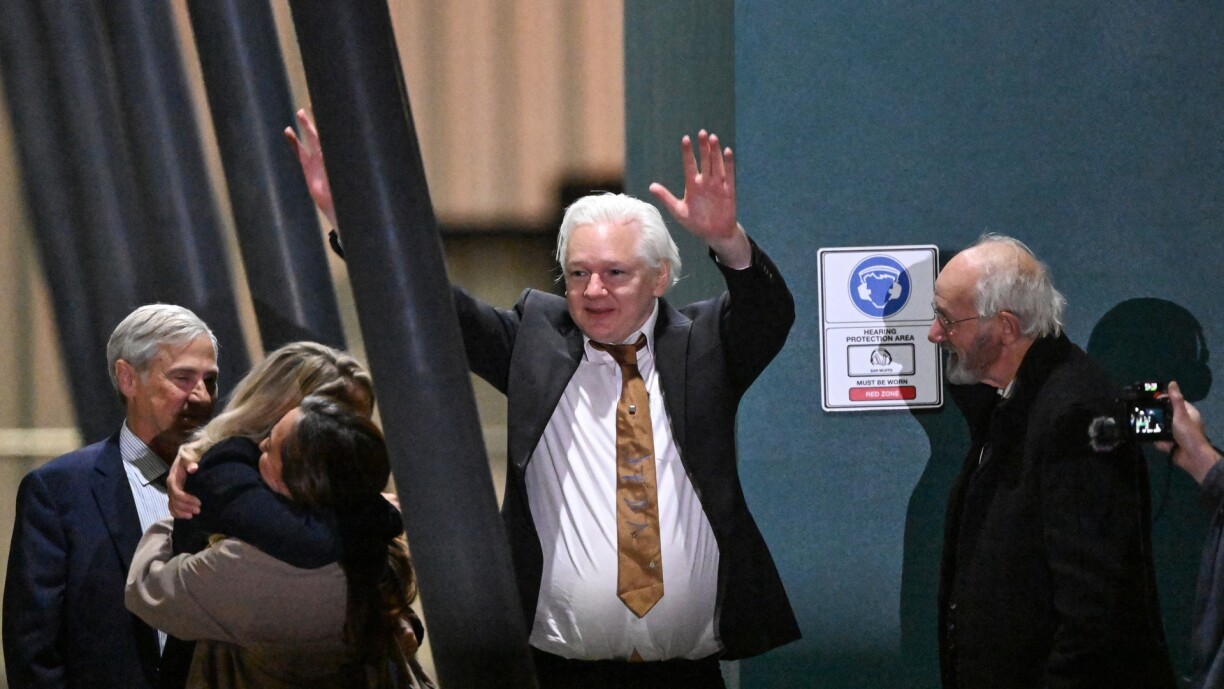
WikiLeaks founder Julian Assange returned to Australia as a free man after a plea deal with the US Department of Justice, ending his 14-year legal struggle and prison time.
Assange's release allows him to reunite with his family and begin recuperating from the toll of his imprisonment, with his wife Stella asking for privacy during this period.
The US State Department and critics argue that Assange's actions endangered individuals and national security, while supporters claim his prosecution undermines journalistic freedom and have called for a presidential pardon.
Free at last – After spending five years in London's high-security Belmarsh prison and seven years in the Ecuadorian embassy in London, Julian Assange finally returned to Australia. His release was facilitated by a plea deal in a US Pacific island court, where he admitted to a single count of revealing military secrets.
This legal agreement sentenced him to time already served, allowing him to avoid extradition to the continental United States and concluding a prolonged legal battle that spanned over a decade.
Reunited –Upon his return to Canberra, Assange was welcomed by his wife Stella and his father, marking an emotional reunion. Stella emphasised the need for privacy as Assange begins to recover from the physical and psychological effects of his imprisonment.
She highlighted that Assange plans to enjoy simple pleasures such as walking on the beach and spending time with his children, who were excitedly awaiting their father's return.
Criticism and support – The US State Department reiterated its stance that Assange's publication of classified documents compromised the safety of individuals associated with the US government, including opposition leaders and human rights activists. Critics, including former US Vice President Mike Pence, view the plea deal as a failure to hold Assange accountable for endangering lives.
Conversely, Assange's supporters argue that his prosecution sets a dangerous precedent for press freedom and journalism. They believe that his actions were in the public interest and have called on President Biden to issue a pardon, emphasising that Assange's legal troubles should not criminalise legitimate journalistic activities.
Business & Tech – A city council in South Korea said Wednesday their first administrative officer robot was defunct after throwing itself down some stairs, with local media mourning the country's first robot suicide.
Science & Environment – NASA on Tuesday said it had picked SpaceX to build a vessel to carry the International Space Station back through Earth's atmosphere and on to a final resting place in the Pacific Ocean after it is retired in 2030.
Entertainment – The original watercolour illustration for the first edition of Harry Potter and the Philosopher's Stone – the book that introduced the world to the young bespectacled wizard – sold for $1.9 million on Wednesday.
Investigative journalism – A BBC report has exposed a migrant smuggler linked to the tragic death of a seven-year-old Iraqi girl in the English Channel, culminating in a dramatic confrontation in Luxembourg's Kirchberg district.
Mobility – Bolt, the prominent mobility platform known for its private driver booking services, has announced plans to establish a presence in Luxembourg.
Housing – Property prices in Luxembourg plunged by 10.9% year-on-year, despite a slight uptick in market activity at the start of 2024, according to the Housing Observatory's latest report.

Your Weekly Recap is published every Friday at noon. Read earlier versions.





