
Here are five things you should know at the end of this week:

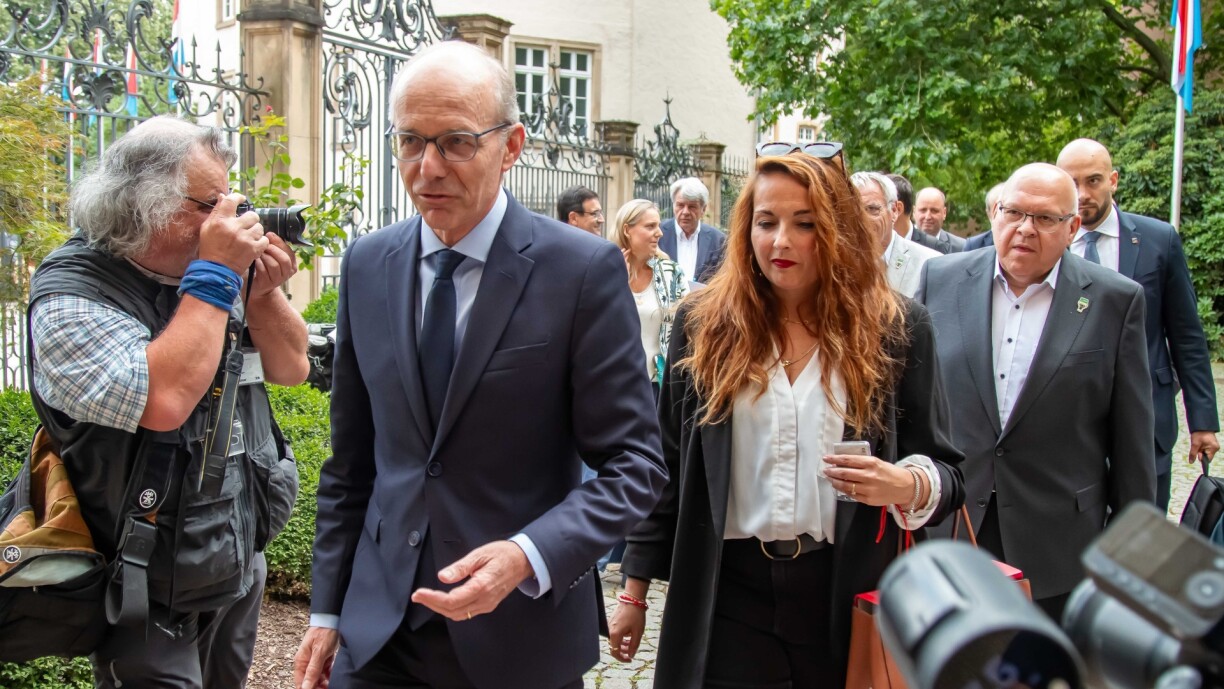
After massive union protests, Luxembourg’s government held 11 hours of overnight talks with unions and employers, preserving unions’ exclusive right to negotiate collective agreements but leaving key labour disputes unresolved.
Breakthrough – Following weeks of escalating tensions and a large-scale union protest on 28 June, Luxembourg's government, trade unions, and employers engaged in over 11 hours of intense overnight negotiations from Wednesday afternoon until early Thursday morning. The breakthrough ensured that unions retain their exclusive right to negotiate collective and company-level agreements – a key "red line" for the OGBL and LCGB unions.
Prime Minister Luc Frieden described the talks as difficult but ultimately constructive, framing the outcome as proof that the government had broken the deadlock and rebuilt channels for social dialogue. However, union leaders remained cautious, warning that while this was an important concession, it only resolved part of a much wider set of disputes that have strained labour relations for months.
Opposition dismayed – Despite welcoming the fact that discussions resumed and a potential crisis was averted, opposition parties in the Chamber of Deputies sharply criticised the government's handling of the situation, arguing it should never have deteriorated to the point of mass protests and overnight crisis talks.
MPs like The Pirate Party's Sven Clement likened the government's actions to fixing damage it had caused itself, while the LSAP's Georges Engel rebuked PM Frieden for failing to show responsibility or admit mistakes when thousands took to the streets in June.
The opposition's central message was that the government's slow and reactive approach undermined trust among the social partners, with Engel and other critics demanding more transparency and a clearer plan for addressing the unresolved disputes.
More to come – Although the overnight agreement secured union rights, significant challenges remain. Contentious issues – including Sunday working hours, amendments to shop opening hours, and potential pension reforms – remain unsettled and will require detailed negotiations in the coming months.
Technical discussions on working time and opening hours will now shift to the trade and employment committee, with results due in October, while pension talks and other pending matters will resume as early as 14 July under the Ministry of State's lead.
Union representatives have stressed that without clear outcomes on these points, trust in the government's social dialogue efforts will stay fragile, keeping pressure high on Frieden's coalition to deliver concrete solutions in the next negotiation rounds.
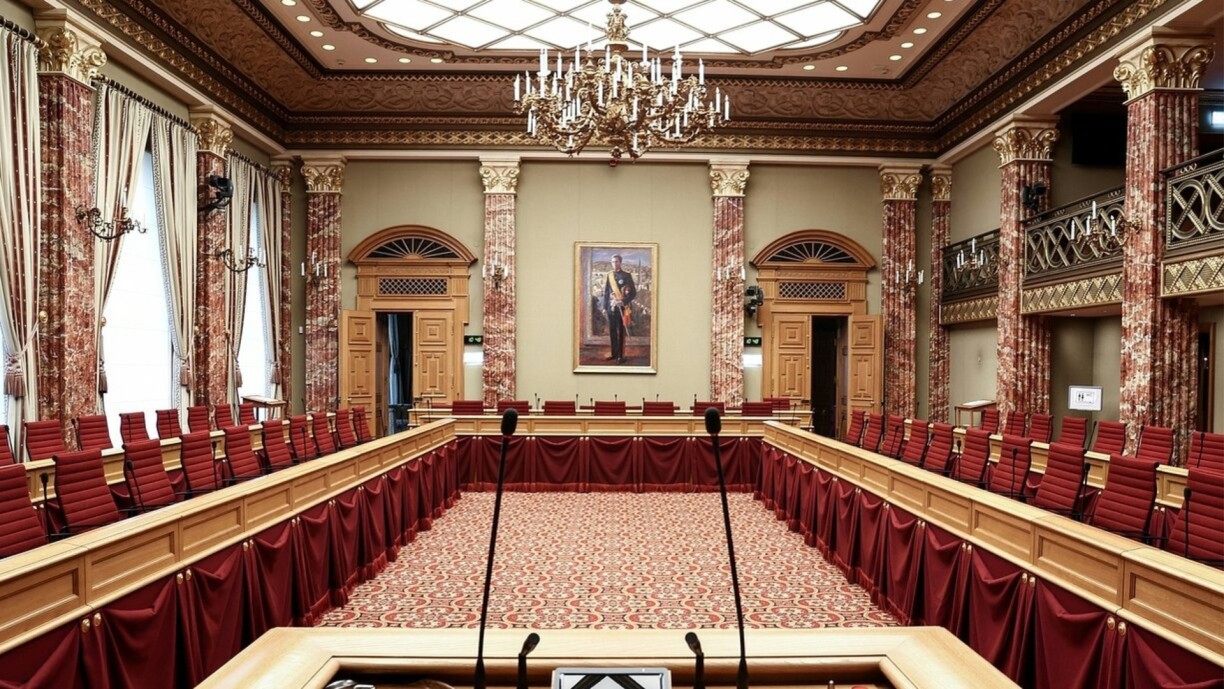
Luxembourg's parliament voted to abolish the mandatory three-day waiting period before an abortion but kept the legal limit at 12 weeks.
The new law also bans virginity certificates and hymen reconstruction surgeries to strengthen protections for women's bodily autonomy.
A proposal by the LSAP to extend the abortion limit to 14 weeks was rejected due to concerns over foetal development.
Reform passed – On Tuesday, Luxembourg's Chamber of Deputies voted to remove the compulsory three-day "reflection period" that had been required between a woman's first consultation and the abortion procedure itself. Supporters of the change argued that the waiting period was an unnecessary barrier that implied women were not capable of making their own informed decisions immediately.
The measure passed with broad backing from most parties, though the Alternative Democratic Reform Party (ADR) opposed it, claiming the change might trivialise abortion and undermine its seriousness. Despite this reform, the legal time frame for abortion in Luxembourg remains capped at 12 weeks of pregnancy, meaning women still need to act within this period to access a legal termination.
Additional provisions – In addition to removing the waiting period, the reform bill tackles other practices seen as harmful to women's rights and bodily integrity. It specifically prohibits the issuance of virginity certificates and the performance of hymenorrhaphy, a surgical procedure to reconstruct the hymen.
MP Diane Adehm of the Christian Social People's Party (CSV), who served as the bill's rapporteur, stressed that these practices are not just foreign problems but can and do occur in Luxembourg as well. She highlighted that the new rules send a clear signal that violations of personal integrity disguised as cultural or traditional norms will not be tolerated, further cementing Luxembourg's commitment to gender equality and self-determination.
No further extension – A separate amendment proposed by the Luxembourg Socialist Workers' Party (LSAP) aimed to extend the legal limit for abortions from 12 weeks to 14 weeks of pregnancy. LSAP parliamentary group leader Taina Bofferding argued that such an extension would help women who realise they are pregnant later than expected or need more time for medical assessments of foetal health.
However, the proposal was ultimately rejected by a parliamentary majority who cited ethical concerns, noting that by 14 weeks the foetus is more developed and that extending the limit could raise additional moral and medical dilemmas.
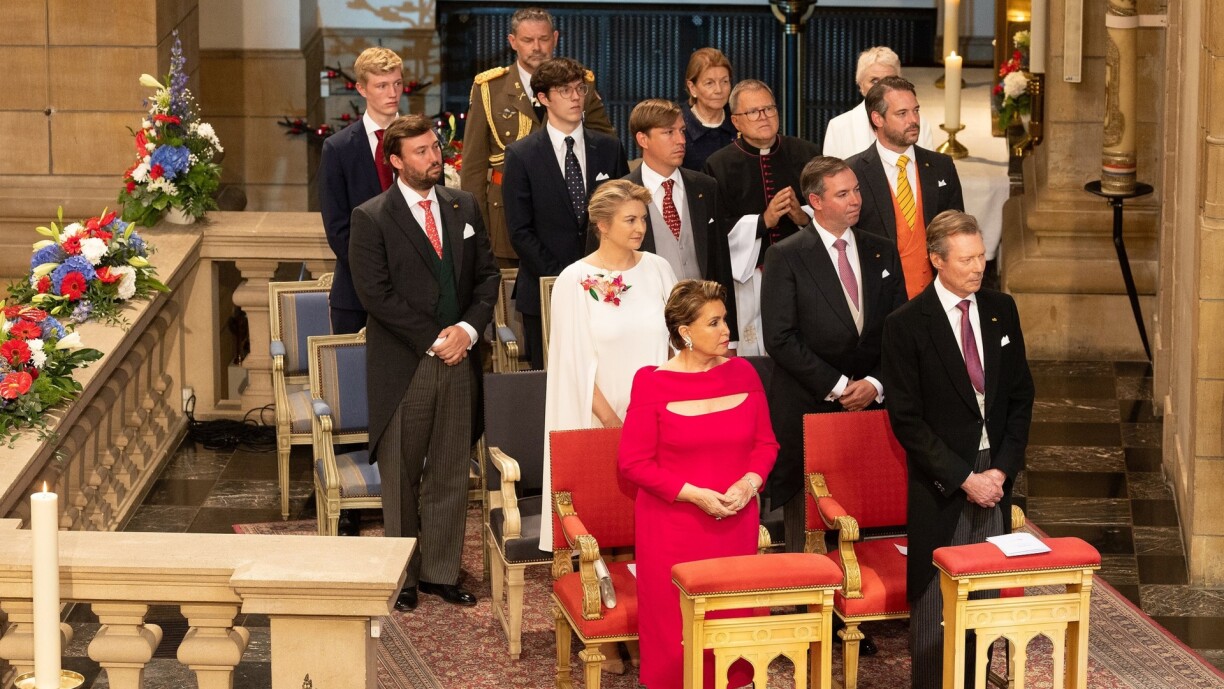
Luxembourg will mark the accession of Grand Duke Guillaume with a three-day celebration this October as Grand Duke Henri steps down.
The programme includes official ceremonies, a nationwide tour to meet citizens, and cultural festivities across the country.
The events will conclude with a Te Deum service at Notre-Dame Cathedral, with the entire programme broadcast live for the public.
Three days of festivities – Luxembourg is preparing for a momentous royal transition this October, as Grand Duke Henri formally abdicates and his son, future–Grand Duke Guillaume, ascends to the throne. The three-day celebration will mark the first change of reign in Luxembourg in over two decades, offering citizens a chance to witness this historic moment in person and via live broadcast.
Events across the country – The official programme will begin with formal ceremonies at the Grand Ducal Palace and the Chamber of Deputies, followed by the new Grand Duke and Grand Duchess meeting the public and dignitaries in the capital. The next day, Grand Duke Guillaume will tour the country, visiting symbolic towns like Grevenmacher, Wiltz, Steinfort, and Dudelange, celebrating Luxembourg's community spirit through cultural performances, meetings with volunteers, healthcare workers, and local citizens, and closing with a concert and drone show at the Glacis square.
Live broadcast – The festivities will conclude on Sunday with a solemn Te Deum service at Notre-Dame Cathedral in Luxembourg City, presided over by Cardinal Jean-Claude Hollerich. This religious ceremony will offer a moment of reflection and blessing for the new reign, bringing together the Grand Ducal Family and the wider public in a display of unity and tradition, with live coverage ensuring that people across the Grand Duchy can follow every detail of this historic royal event.
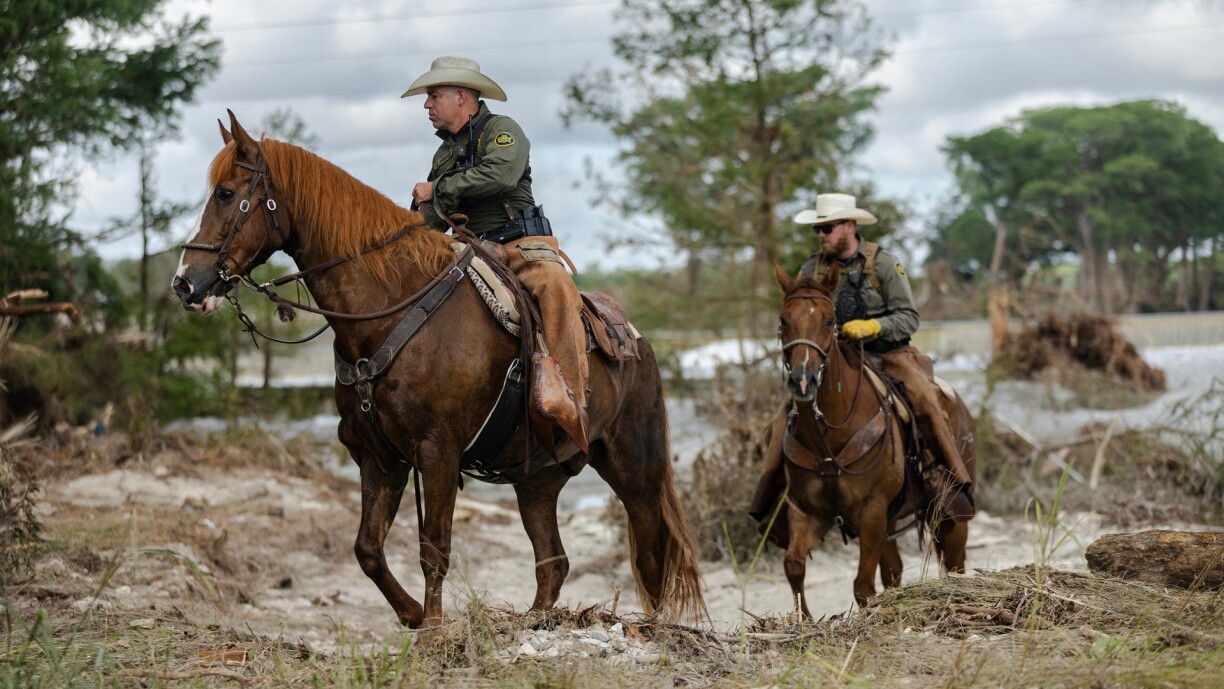
Catastrophic flash floods in Texas have killed over 120 people, including dozens of children at a summer camp, with hundreds still missing as rescue efforts continue in dangerous conditions.
Experts say human decisions, outdated warning systems, and climate change amplified the disaster in a region known as 'Flash Flood Alley', despite timely forecasts by the National Weather Service.
Misinformation blaming weakened forecasts and conspiracy theories about weather manipulation have spread widely online, complicating public understanding of the tragedy.
Disaster strikes – Torrential rain over the Fourth of July holiday triggered catastrophic flash flooding in central Texas, causing rivers like the Guadalupe to surge by over 20 feet in less than two hours, sweeping away homes, vehicles, and entire communities while people slept. Among the hardest-hit locations was Camp Mystic, an all-girls Christian summer camp where 27 girls and counsellors drowned when floodwaters engulfed cabins overnight.
Across the region, families are still searching desperately for missing loved ones, with helicopters, boats, rescue dogs, and volunteers on horseback scouring miles of debris-strewn riverbanks. As of midweek, more than 160 people remain unaccounted for, and officials warn the final death toll could rise significantly in the coming days as muddy terrain and dangerous debris hamper recovery efforts.
Risk exposure – Texas' Hill Country sits atop 'Flash Flood Alley', a region prone to sudden, intense flooding due to unique geography and thin soils unable to absorb heavy rain. While the National Weather Service issued urgent warnings hours before the river crests, many people were asleep, mobile coverage was patchy, and some camps had no modern siren system in place – relying instead on word-of-mouth alerts.
Climate scientists stress that the extreme rainfall, which dumped months' worth of water in mere hours, reflects how human-driven climate change is fuelling more frequent and severe weather extremes. Local officials had long debated installing sirens and digital alerts but delayed action for years, leaving communities tragically exposed when record-breaking floods struck without enough time for many to escape.
Misinformation – In the aftermath of the floods, misleading narratives spread rapidly on social media, with some left-leaning voices wrongly claiming that staffing cuts at the National Weather Service crippled forecasts, while right-wing conspiracy theorists baselessly accused the government of deliberately triggering the floods through cloud seeding. In reality, meteorologists provided accurate and timely warnings, but the failure came in how those alerts reached people on the ground.
Fact-checkers and experts have called out both sides for distorting facts during a time of grief, highlighting how natural disasters often become fertile ground for conspiracy theories and misinformation. Local news outlets even retracted unverified stories about miraculous rescues, showing how fast false narratives can gain traction and erode trust during crises when clear, accurate information is needed most.
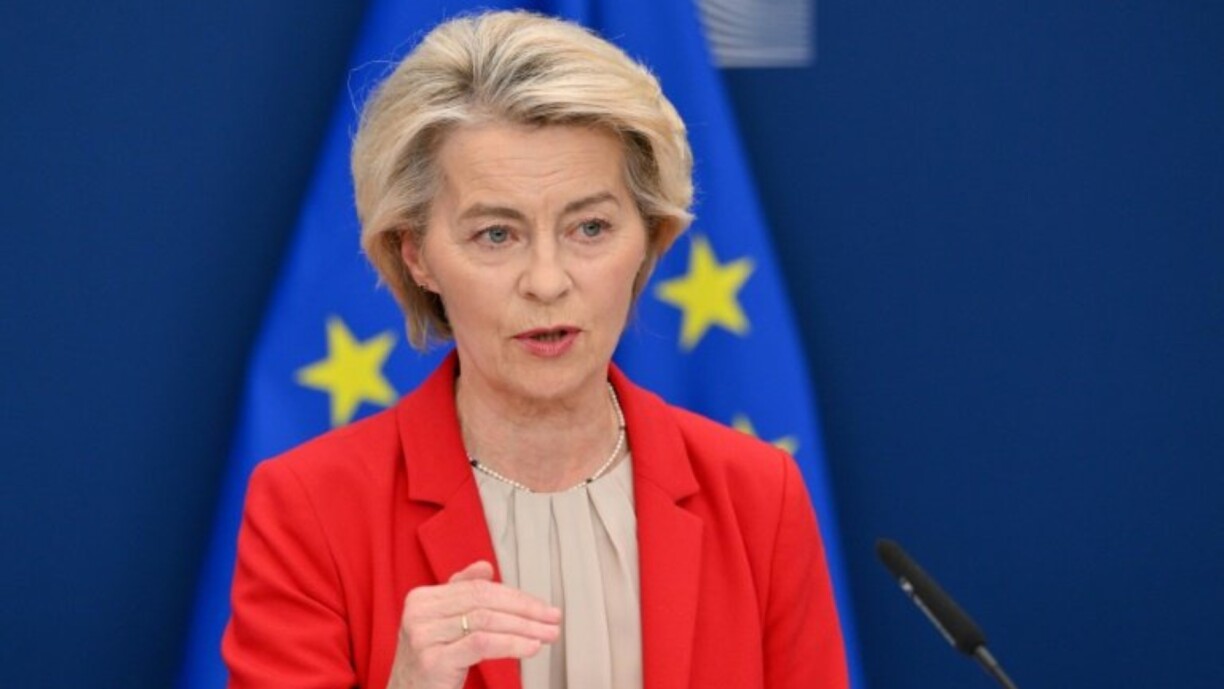
EU Commission President Ursula von der Leyen survived a far-right-led no-confidence vote by a wide margin, despite criticism over Covid vaccine contract transparency.
Luxembourg MEP Fernand Kartheiser was among those who voted to oust von der Leyen, joining far-right and some left-wing lawmakers.
Critics accused von der Leyen of opaque decision-making and aligning too closely with the far-right on policy, but most mainstream parties still backed her to maintain EU unity.
Comfortable win – European Commission President Ursula von der Leyen comfortably survived a no-confidence motion initiated by the far right, which accused her of mishandling Covid vaccine contract negotiations. The vote, rejected by 360 MEPs against 175 in favour with 18 abstentions, stemmed mainly from allegations that von der Leyen had not been transparent about text messages exchanged with Pfizer's CEO during vaccine talks – an issue now tied up in court.
Despite these accusations, von der Leyen's broad support from the centre and left reflected a desire to project stability and cohesion within the EU, especially as the bloc faces challenges like Russia's war in Ukraine and ongoing US trade negotiations.
Unusual mix – Among those who backed the attempt to oust von der Leyen was Luxembourg's Fernand Kartheiser, aligning himself with a minority of MEPs mostly drawn from far-right and nationalist parties. Kartheiser joined forces with 39 members of the European Conservatives and Reformists (ECR), 75 from the Patriots for Europe (PfE), 24 from the European Sovereignists (ESN), and a smaller number from the European Left and non-attached members.
This unusual mix shows how the no-confidence effort cut across ideological lines, attracting critics on both the right – who accuse von der Leyen of overreach – and the left, who have grievances over issues like transparency and accountability.
Conditional support – Despite the clear rejection of the motion, the debate highlighted deeper concerns within von der Leyen's traditional political allies about her perceived shift towards cooperating with right-wing forces to advance parts of her agenda, such as scaling back environmental protections. Leaders warned that while their factions defended the commission to preserve EU stability, their backing was "not unconditional".
Business & Tech – Elon Musk's artificial intelligence chatbot Grok came under fire Wednesday for anti-Semitic comments, praising Adolf Hitler and insulting Islam in separate posts on the X platform.
Science & Environment – Parc Merveilleux in Bettembourg has shared the first adorable footage of its newborn Iberian wolf pups, a week after announcing their birth.
Entertainment – France's parliament on Monday approved returning to Ivory Coast a "talking drum" that colonial troops took from the Ebrie tribe in 1916, in the latest boost to the repatriation of colonial spoils.
Immigration – Uprooted by war and forced to grow up fast, young Ukrainians in Luxembourg are carving out new lives far from home, balancing memories of what they left behind with hopes for what lies ahead.
Testimonial – What began as a night of celebration turned into a nightmare for 18-year-old Céline, who says she was the target of a syringe assault in central Luxembourg on 22 June.
Royals – Graphic designer Yolande Koster-Kaiser has revealed the creative process behind Luxembourg's future sovereign's monogram, a project she describes as both "an honour" and a technical challenge.

Your Weekly Recap is published every Friday at noon. Read earlier versions.





