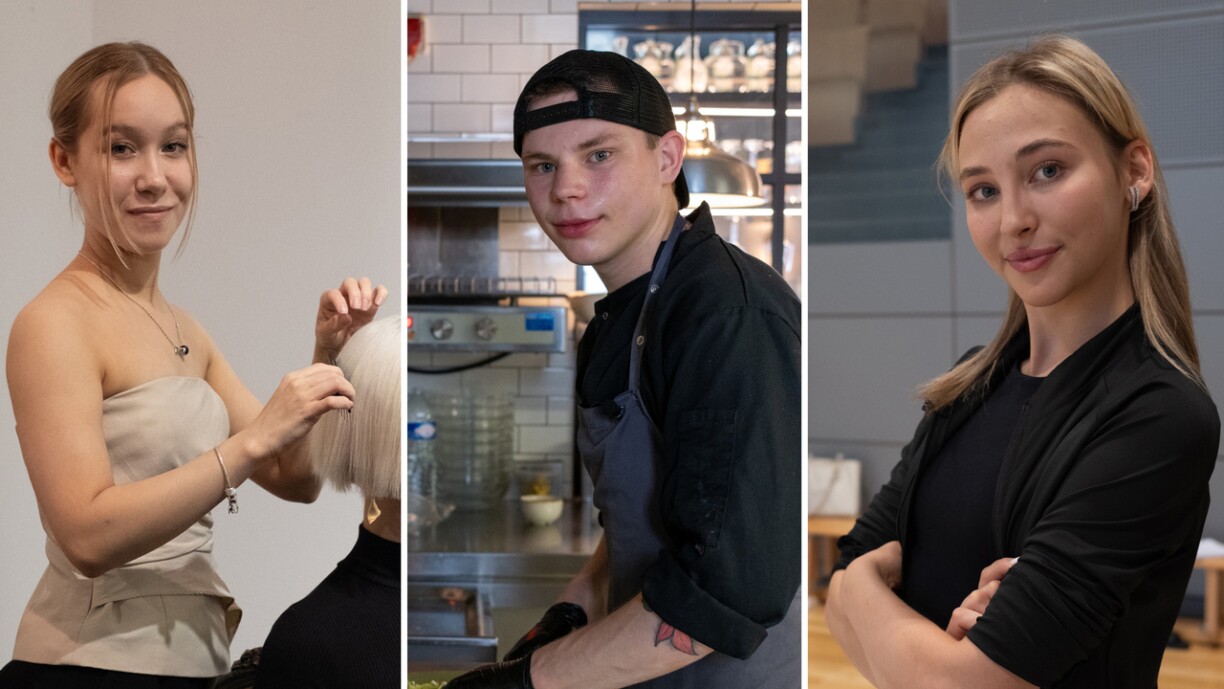
Since Russia's 2022 invasion, over six million Ukrainians have been displaced from their homeland. Luxembourg initially provided temporary protection to 5,038 refugees, with approximately 3,600 still residing in the country today.
Among them are young adults who arrived as teenagers, forced to mature quickly while adapting to an unfamiliar culture. Our colleagues from RTL Télé recently spoke with three such individuals about their journeys.
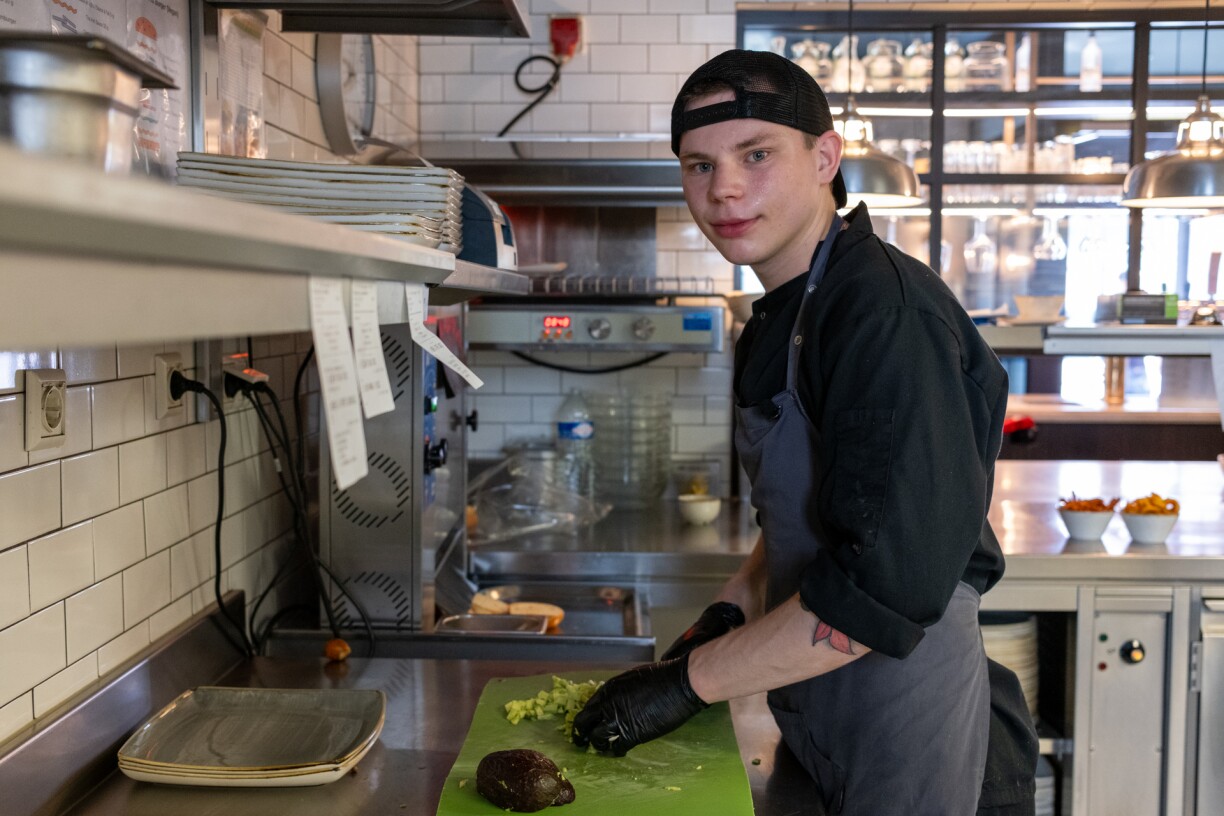
Now 18, Mykola arrived in Luxembourg through Germany after fleeing Ukraine in 2022 with his mother and sister. His father remained behind despite being medically exempt from military service due to a leg injury. "The war changed everything – my life, my plans, everything I thought I knew about the future", Mykola reflects.
Currently housed in a Kirchberg refugee shelter, the pragmatic teenager focuses on the positives: no rent expenses, newfound friendships, and even joking with his father over the phone about having "50 security officers" all to himself.
Mykola acknowledges he would like his own room someday but stresses that, for now, things are fine as they are.
He misses his family and wishes he could visit them in Ukraine, but of course, he cannot. Mykola is now 18: If he returned to Ukraine, he would not be allowed to leave and would be drafted into the army. For now, his future therefore lies in Luxembourg.
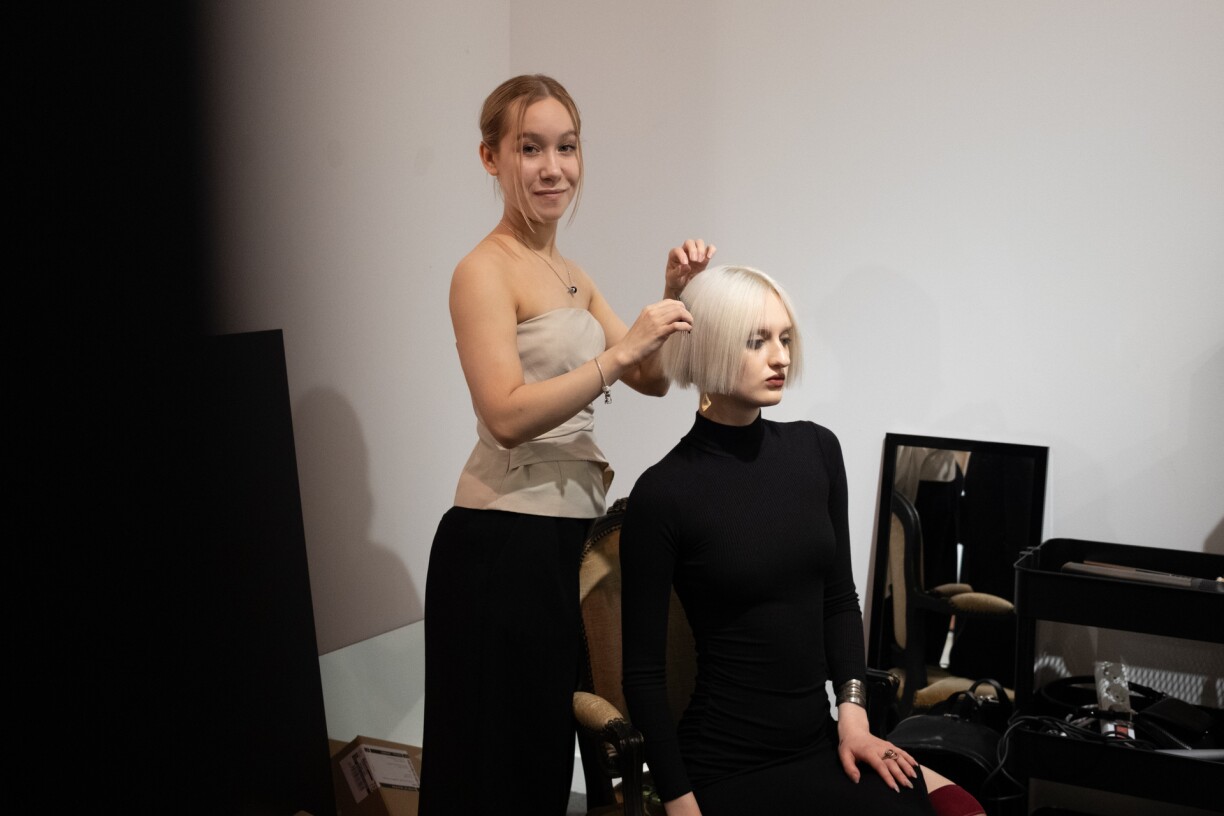
Kateryna Boiko arrived in Luxembourg alone in 2022 after fleeing her hometown of Dniprorudne – now Russian-occupied territory. "It's really difficult because I don't even know where my home is", she confesses.
While relieved her parents and siblings eventually escaped via Poland (her father through a dangerous route via Russia), her grandparents remain in Ukraine. As the eldest child, Kateryna decided to come to Luxembourg on her own when she turned 18. A friend of hers was already here and told her it might be a good opportunity.
At first, she lived at the Kirchberg Emergency Accommodation Facility (SHUK), and Kateryna does not hide that it was an "awful" experience. According to her, it was overcrowded, extremely hot, and the bathrooms were dirty.
Kateryna also has food allergies and could not eat most of what was available to her.
She now lives in the former Gulliver Tower Hotel, sharing a room with three other Ukrainian women. Although space is tight, Kateryna much prefers it to SHUK.
"Everything was new to me", Kateryna recalls: "I called my mother constantly – how to cook, how to clean, how to manage."
Things have improved since then and Kateryna is more independent now – although she still talks to her mother every day. "She's my biggest supporter", Kateryna says. "Whatever I want to do or whatever idea I have, she is always the first to say: 'Do it'."
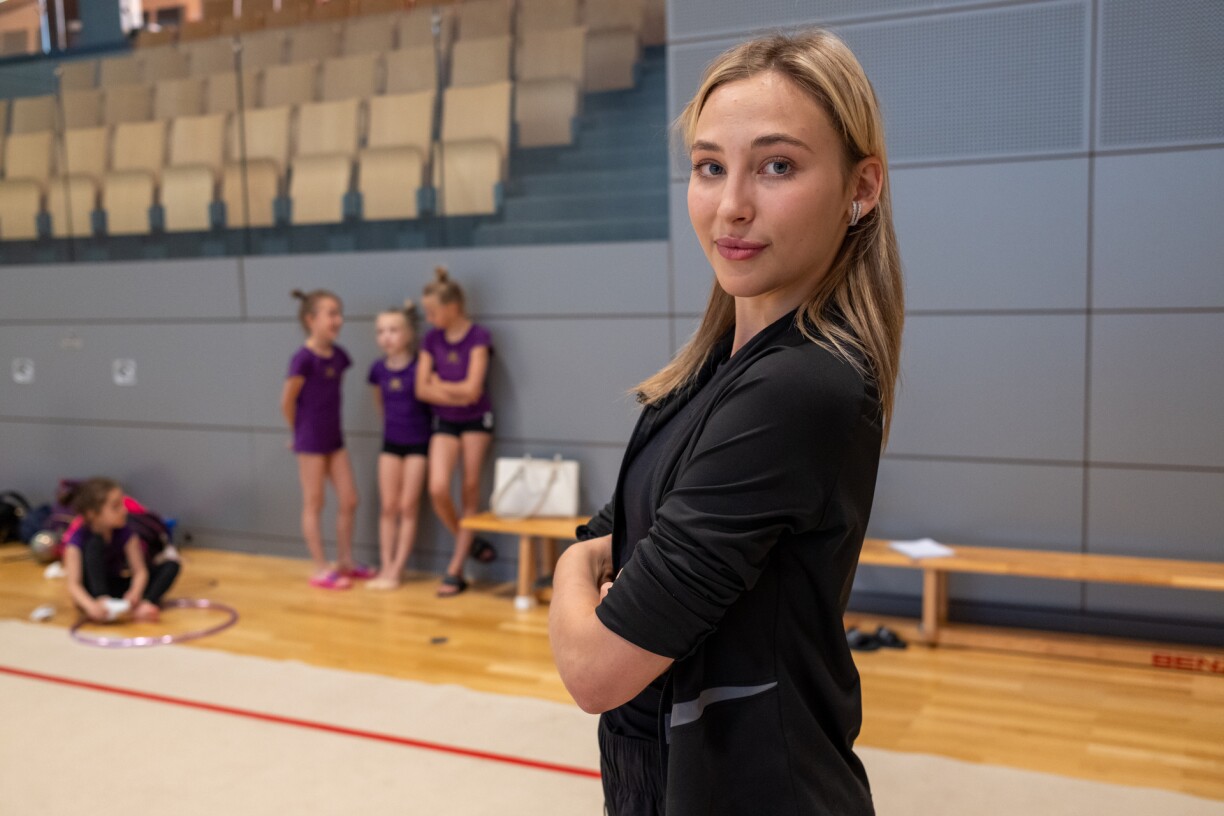
Mariia Iezhemenska was sent to Luxembourg by her parents after Russia's invasion of Ukraine. While it was a big step to move to another country and start her "adult life" all by herself, Mariia says that she had already travelled quite a bit thanks to her career as an international rhythmic gymnast – a sport she started at the age of four.
After having arrived in the Grand Duchy, Mariia decided to stop competing and instead focus on passing on her knowledge to the next generation. Her first major coaching experience was helping prepare Luxembourg's World Cup hopeful ahead of her participation in the world championship in Sofia, Bulgaria.
Mariia considers herself lucky for having received accommodation from a Luxembourgish couple in their seventies upon her arrival. "They helped me a lot to integrate and to make it as much calm and comfortable as possible", she recalls.
Even if she is no longer a competitor herself, sport remains at the centre of Mariia's life, as she studies international sports management at the University of Luxembourg while also finishing a Bachelor's degree initially started in Ukraine. At the same time, she spends five days a week in Frisange teaching children and youths in the local gym.
Despite uncertainty, Mariia sees her future in Luxembourg where she feels safe. Nevertheless, she misses her relatives who are still in Ukraine: "I like to say that home is where your heart is... and my heart's still with my mum."