
Here are five things you should know at the end of this week:

Major outage – On Tuesday afternoon, LuxTrust experienced a severe outage caused by a failure in its data server infrastructure, specifically a malfunctioning storage component. This disruption rendered a broad range of essential services unavailable, including MyGuichet, online banking for numerous financial institutions, airline bookings via Luxair, healthcare services like eSanté, and platforms used in schools such as Scolaria and the E-Notebook.
Government agencies and private entities that rely on LuxTrust authentication were also affected. Although the company assured users that no data or transactions were compromised, the outage paralysed daily operations for thousands across sectors until services began to recover on Wednesday afternoon.
Questions raised – In the aftermath of the outage, Minister of the Economy Lex Delles strongly criticised the extended service disruption, arguing that such failures should not occur if proper backup systems are in place. He revealed that technical teams had to rebuild parts of the system from scratch, a scenario that indicates serious shortcomings in system redundancy.
Delles also raised concerns about the lack of timely communication during the crisis and signalled a broader review of LuxTrust's near-monopoly role in national authentication infrastructure. With private providers now available, he said the state must consider alternative or backup options to ensure service continuity in the future.
Persisting issues – Just a day after announcing that all services were back to normal, LuxTrust users reported renewed login problems on Thursday morning, particularly involving smartcard authentication. The company admitted to "temporary slowdowns" and said it resolved the issue by increasing system capacity. Nevertheless, the recurrence of technical issues so soon after the initial outage added fuel to political concerns.
Multiple MPs submitted parliamentary questions challenging LuxTrust's reliability, its monopoly status, and whether missed deadlines caused by the outage would be extended. Ministers responsible for digitalisation, education, and the economy are now expected to provide formal responses.
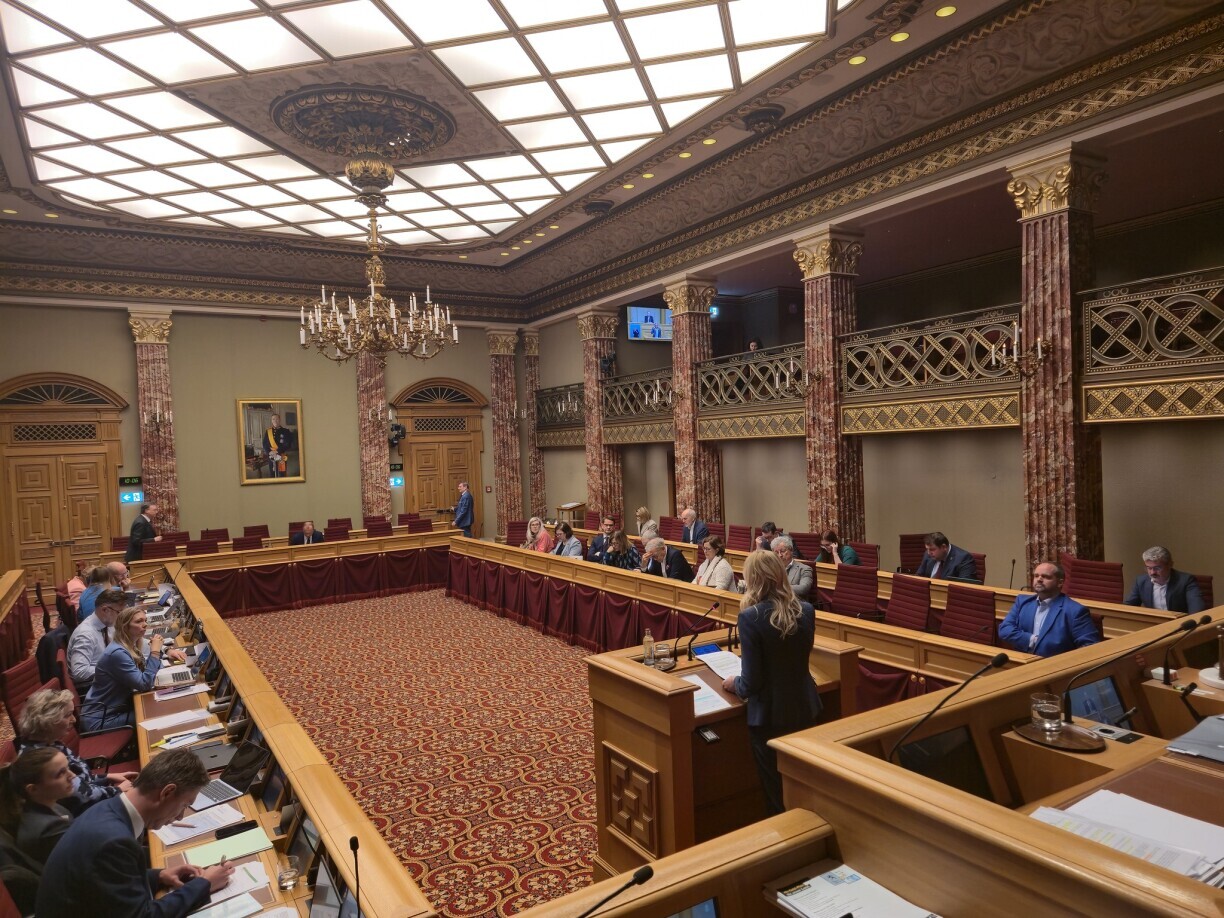
Majority vote – In a marathon end-of-year session, the Chamber of Deputies approved Luxembourg's 2026 state budget with 34 votes in favour from the CSV-DP coalition and 25 against from all opposition parties. Framed by Finance Minister Gilles Roth as a plan of "record investments", the budget focuses on housing, energy relief, education, and social spending, while also promising tax relief and investment in the financial sector.
The government projects deficits of €1.49 billion in 2026 but insists these remain within EU rules, with national debt expected to stay under 30% of GDP. Opposition parties criticised the budget as overly focused on growth, lacking in fiscal transparency, and failing to address structural financing needs, especially in light of planned tax reforms and defence spending.
Labour reforms – Two contentious bills reforming Sunday work and store opening hours were passed with the votes of the governing coalition, despite strong objections from opposition parties and even some criticism from within the majority. Under the new rules, retail and craft businesses will be allowed to open for up to eight hours on Sundays, up from four, provided they meet certain conditions, such as collective agreements for larger firms.
Weekday opening hours will also be extended from 5am to 9pm. Critics argued the reforms were rushed through during the final session of the year, lacked economic impact analysis, and could disproportionately benefit large retailers while putting pressure on small businesses and workers.
Energy and pension reforms – Lawmakers also unanimously approved two key energy-related initiatives: a €150 million package to subsidise electricity bills in 2026 and a new pre-financing scheme for solar panel installations, making the climate bonus more accessible by allowing installers to directly claim subsidies from the state. While broadly welcomed, some opposition MPs warned the electricity subsidies are too indiscriminate and could weaken incentives to reduce consumption.
In contrast, a divisive pension reform passed with only coalition support after a marathon debate. The reform raises contributions across the board and progressively tightens early retirement access, sparking union protests and fierce criticism from opposition parties, who argued the government pushed the bill through without adequate social dialogue.
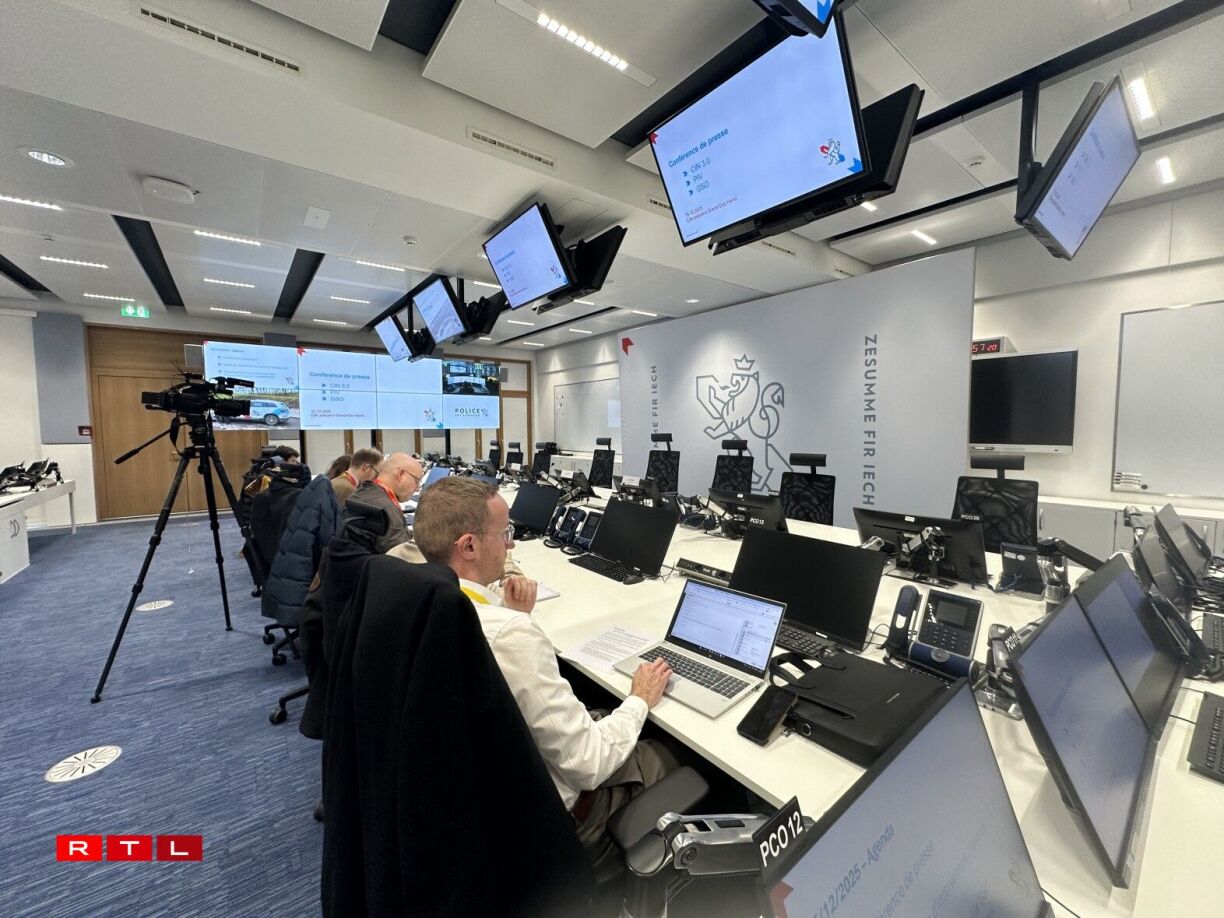
New year, new presence – The newly announced GSO unit is designed to reinforce police visibility and deterrence on a national scale. Launching on 1 January 2026, the unit aims to enhance the police's capacity to respond to both routine and exceptional situations that require a stronger or more specialised presence than standard patrols.
Flexibility – According to police, the unit's structure will rely on two to three rotating teams, enabling it to respond dynamically to incidents or trends wherever they arise. This mobility ensures that the GSO can be deployed in urban centres, rural areas, or event-specific contexts, providing targeted support where it is most needed. The flexible design is intended to maximise efficiency and complement existing local patrols rather than replace them.
Equipment – GSO officers will be outfitted with regular police equipment and will also have access to Tasers, intended for use in scenarios involving immediate danger. The police stressed that Taser deployment will be tightly controlled, with officers undergoing mandatory theoretical and practical training, including scenario-based exercises and certification.
No time lost – In response to one of Australia's deadliest mass shootings, Prime Minister Anthony Albanese announced a sweeping national gun buyback scheme aimed at removing surplus, illegal, and newly banned firearms from circulation. The plan is set to be the most extensive since the landmark 1996 buyback following the Port Arthur massacre.
Albanese highlighted the need to tighten laws that allowed Sajid Akram, the alleged gunman, to legally own six high-powered rifles despite living in suburban Sydney. The government's move reflects a renewed urgency to prevent further tragedies and curb the proliferation of dangerous weapons in civilian hands.
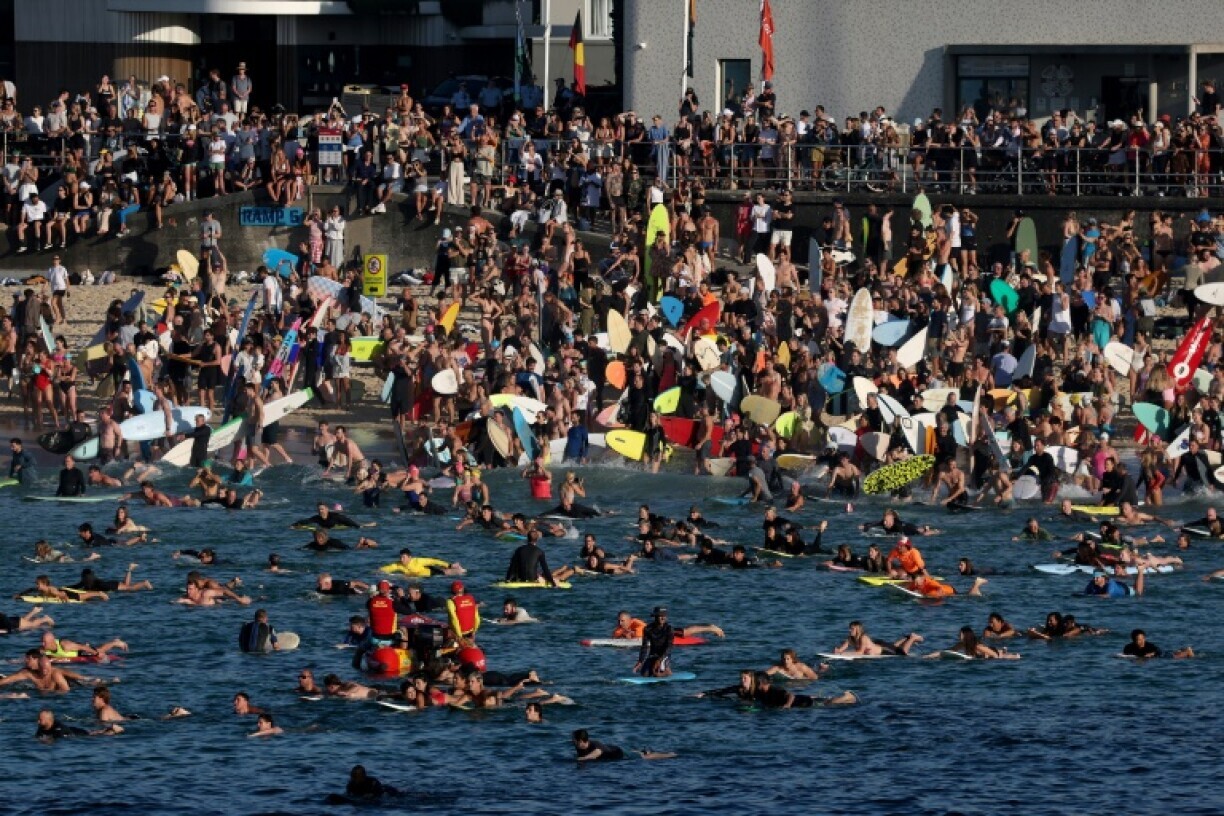
Ocean tribute – In a powerful act of community solidarity and mourning, hundreds of swimmers and surfers gathered at Bondi Beach to honour the 15 people killed in the shooting. Participants formed a floating circle in the sea, splashing and shouting in a cathartic tribute to the victims.
Among those remembered were Boris and Sofia Gurman, a married couple and local residents who died while attempting to disarm one of the attackers. Their bravery was praised at their funeral, where they were described as selfless heroes who acted with courage and love in their final moments.
Fears of extremist violence – Sydney remains on high alert nearly a week after the Bondi Beach massacre, with authorities continuing investigations into the motives behind the attack. Police detained and later released seven men believed to be planning a related violent act, although no direct connection to the shooters was confirmed.
The surviving suspect, 24-year-old Naveed Akram, faces multiple charges including terrorism and murder, while authorities suspect both he and his father were inspired by the Islamic State group. Despite no immediate threat to public safety, the events have intensified fears of extremist violence and prompted heightened vigilance across the country.

Dramatic protest– Thousands of farmers from across the European Union descended on Brussels on Thursday, staging a dramatic protest against the proposed EU-Mercosur free trade agreement. Around 1,000 tractors clogged city streets, while outside the European Parliament, protesters lit fires, hurled potatoes and manure, and clashed with riot police who responded with water cannons and tear gas.
The protests reflected a growing fear among farmers that the agreement would expose them to unfair competition from South American countries like Brazil, where agricultural products are subject to less stringent environmental and labour regulations. For many demonstrators, the protest was not just about Mercosur but a broader expression of frustration with EU policies that they say are eroding the viability of small and medium-sized farms.
Deal delayed – The signing of the EU-Mercosur deal, initially expected before the end of the year, was postponed to January after France and Italy voiced strong opposition during a European leaders' summit. While the agreement would create the world's largest free trade area and boost EU exports to Latin America, key member states demanded tougher safeguards to protect domestic agriculture.
French President Emmanuel Macron said the deal required fundamental changes, while Italy requested more time and assurances. Despite Commission President Ursula von der Leyen's optimism and backing from Germany, Spain, and the Nordic countries, the deal's critics held enough sway within the European Council to prevent a vote, illustrating the deep divisions within the bloc over how to balance trade ambitions with social and environmental standards.
Mounting frustrations – Beyond opposition to Mercosur, farmers expressed deep dissatisfaction with a range of EU agricultural policies, including proposed subsidy cuts, regulatory burdens, and increased imports from countries like Ukraine and South American nations. Many fear that EU trade and climate strategies are being pursued at the expense of local producers who are already struggling with rising costs and shrinking budgets.
An Austrian farmer decried the loss of the rural development pillar and recent 22% cuts to the farming budget, while others criticised new taxes and import standards that they say fail to reflect the reality of farming in Europe. Farmers from Poland, France, and Belgium shared a sense of betrayal by political leaders, accusing them of offering empty promises and failing to protect European agriculture from global competition and internal reforms they view as harmful.
Your Weekly Recap is published every Friday at noon.





