Here are five things you should know at the end of this week:
Attack near university campus – The fatal stabbing took place in broad daylight on Wednesday morning, just steps from the University of Trier. The victim, a 22-year-old student, was returning from shopping when he was attacked with a kitchen knife by a man of the same age. Emergency responders attempted resuscitation, but the student succumbed to his injuries at the scene. The area was cordoned off for several hours as police launched a search for the perpetrator.
Suspect detained and charged – Police quickly apprehended the 22-year-old suspect, an Afghan national living locally, who admitted to the stabbing upon arrest. Prosecutors confirmed that the victim and suspect did not know each other and encountered one another by chance. The suspect has been charged with manslaughter and is currently held in a closed forensic psychiatric unit, as initial findings indicate he may be suffering from mental illness.
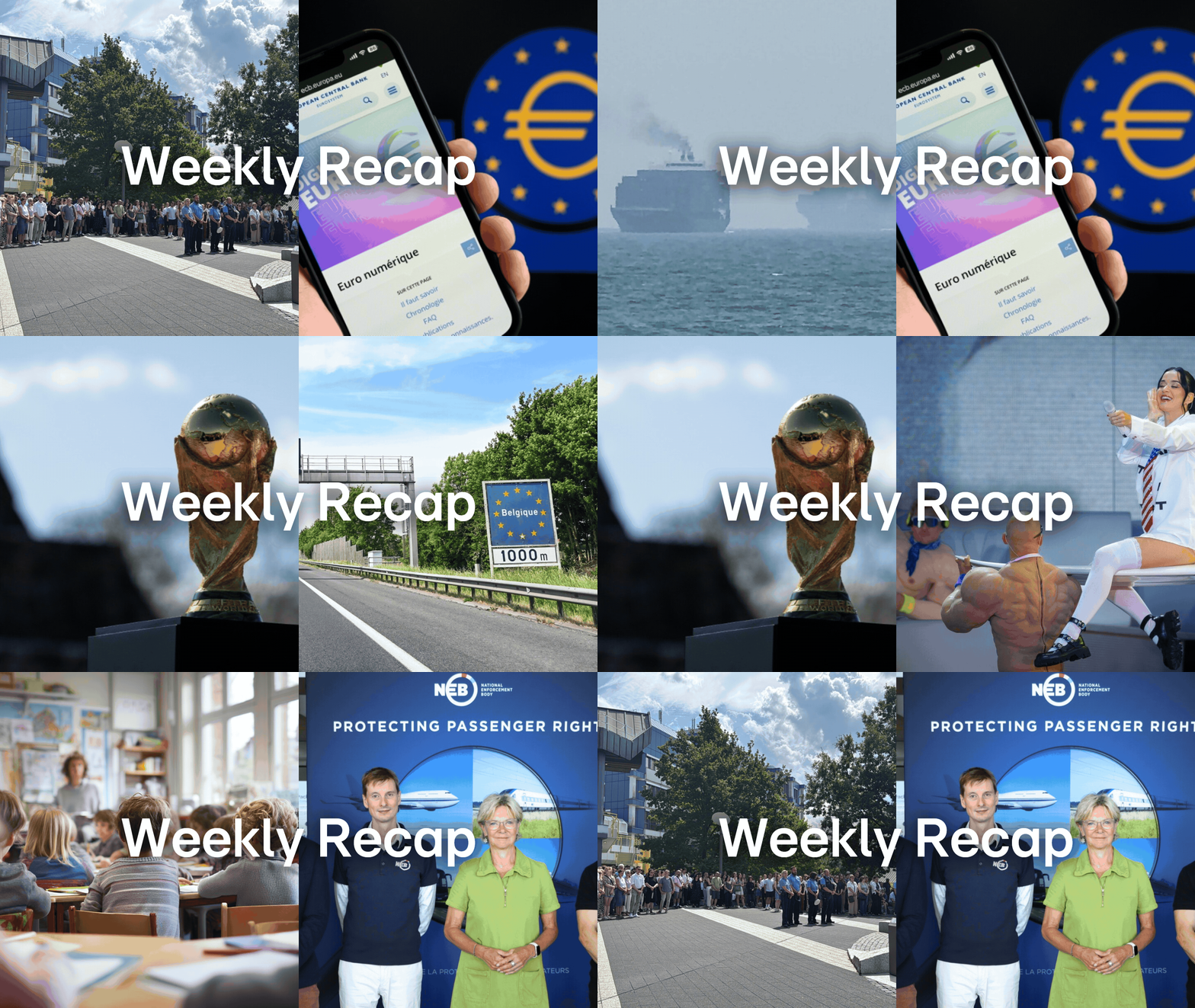
Community mourns and seeks support – Trier University held a memorial gathering on Thursday, with students, staff, and local officials paying tribute to the victim. University president Eva-Martha Eckkrahmer described the community as deeply affected and emphasised the importance of collective empathy. Both the university and police have set up support services for those impacted, offering counselling and psychological assistance in the wake of the tragedy.
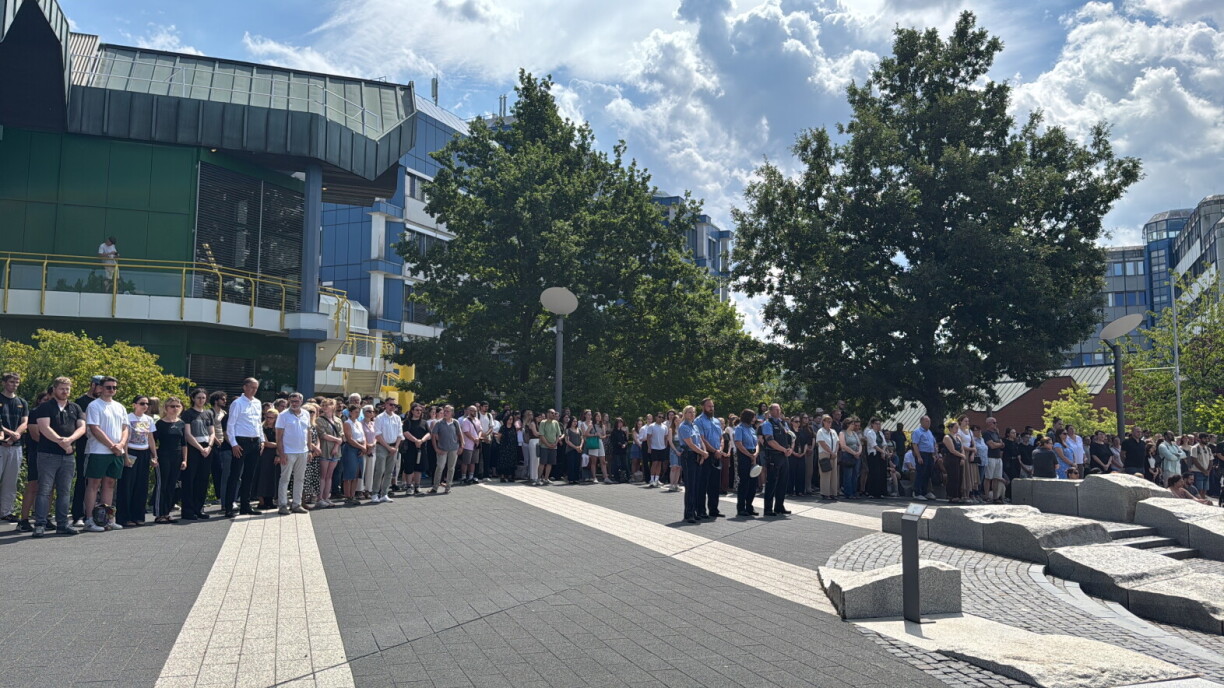
Unified recruitment process – From September, both career civil servants and state employees will follow the same recruitment route, starting with applying for a specific vacancy before taking a compulsory general aptitude test. Previously, only prospective civil servants had to pass the state exam, while state employees could apply directly. The new approach is designed to streamline entry into Luxembourg's growing civil service and ensure all candidates meet the same standards.
Greater flexibility and digitalisation – The reformed process introduces more flexibility, with the entrance exam now valid for one year instead of five. Large, biannual exam sessions will be replaced by individual appointments throughout the year, allowing candidates to book tests at their convenience. The compulsory language test will also be updated to assess both written and oral comprehension in one of Luxembourg's three administrative languages.
Impact and union response – The overhaul comes as Luxembourg's state workforce has grown significantly, with nearly 39,000 employees last year. Minister Serge Wilmes says the changes will help attract talented people and better match skills to roles. The main civil service union, CGFP, has reserved judgement, stating it will wait for practical experience with the new system before commenting further.

Transparency and evaluation concerns – The ALPHA pilot project, which allows children to learn to read and write in either French or German, was the subject of critical debate in the Chamber's education committee. MPs and the National Union of Teachers (SNE) voiced frustration over delayed access to key scientific reports, with some claiming an embargo had been placed on the main evaluation. The Education Ministry denied any deliberate withholding, but acknowledged the timing issues.
Debate over evidence and rollout – Unions and opposition MPs argue that the reform is being implemented too quickly, based on studies with small sample sizes and inconclusive results. The SNE called for a gradual expansion and more comprehensive data before a nationwide rollout. Despite some positive findings, such as reduced cycle extensions, critics say it is too early to assess the reform's long-term impact on pupils' academic paths.
Government response and next steps – Education Minister Claude Meisch maintains that the reform is necessary to address persistent inequalities in Luxembourg's school system. The French literacy programme will be introduced nationwide from the 2026/27 academic year, with municipalities tasked to provide around 150 additional classrooms. The ministry has promised further dialogue with stakeholders and continued monitoring as the reform expands to all public primary schools.
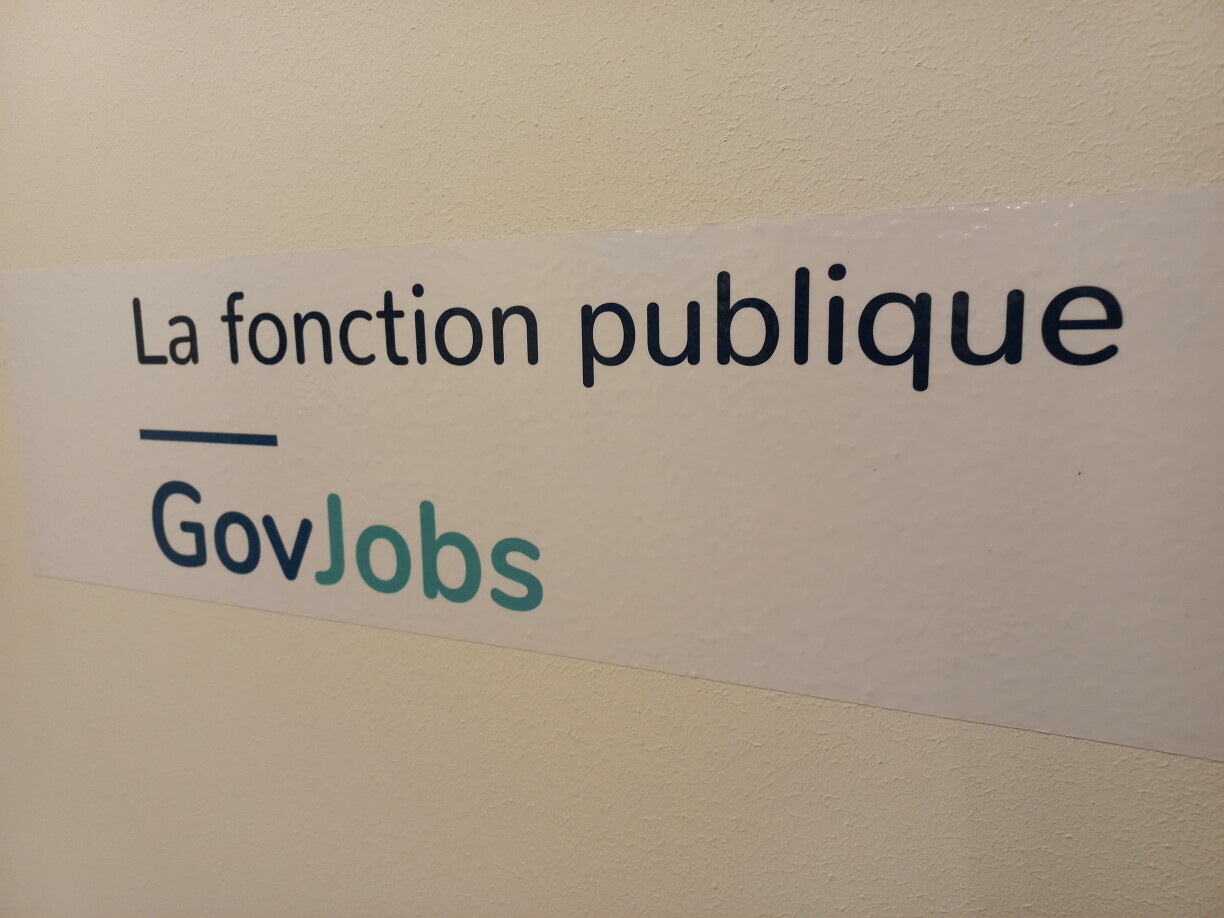
Escalation over Hormuz – The past week saw a dramatic escalation between the United States and Iran, with both sides launching strikes after the collapse of a recent ceasefire. Iran retaliated against fresh US attacks by targeting Gulf states and closing the Strait of Hormuz, a vital artery for global oil trade. The US military responded with precision strikes on Iranian targets, aiming to degrade Iran's ability to threaten shipping in the region.
Impact on oil and diplomacy – Hostilities centred on the strategic Strait of Hormuz sent oil prices surging by 4.5 percent, reflecting fears of supply disruptions. Efforts to revive diplomacy faltered as mediators like Pakistan called for restraint, but both sides hardened their positions. The US also expanded sanctions on Iran's oil and cryptocurrency sectors, freezing assets and targeting networks linked to Iranian exports.
Regional fallout and next steps – Iran's missile and drone attacks hit US allies including Bahrain, Jordan, Kuwait, and Oman, prompting air raid alerts and diplomatic protests. The US, meanwhile, reimposed a naval blockade on Iranian ports and threatened further action unless Iran returns to negotiations. As both sides exchange threats and rhetoric, the risk of broader regional instability remains high, with no clear path back to the negotiating table.
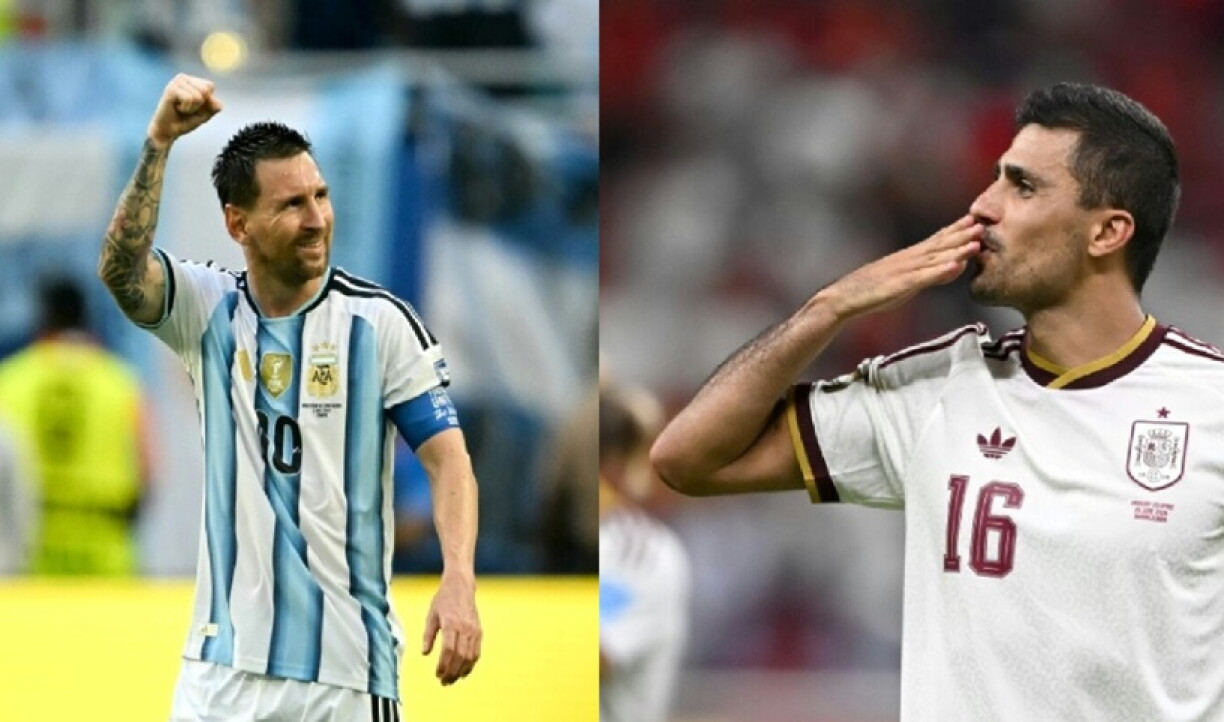
Final set for New Jersey – The 2026 FIFA World Cup found its finalists: Spain and Argentina will play for the trophy formerly known as Jules Rimet Cup on Sunday – a match that will be attended by US President Donald Trump.
For the final, FIFA will yet again break its own rules, in this case by extending the half time period beyond what is dictated by the laws of the game – another controversial move following the much maligned "hydration breaks" that many have decried as barely disguised advertisement breaks.
Defeated semifinalists France and England will have to settle for Saturday's third place match – now dubbed the 'Bronze final'. Motivation might not be at the highest point, but there is still the Golden Boot matter to resolve, with France's Mbappé and Argentina's Messi neck-and-neck, and England's Kane and Bellingham still with a chance at the top spot, should they find themselves in a particularly prolific mood.
Spain outclass France – Spain delivered a tactical masterclass to defeat tournament favourites France 2-0 in Arlington, Texas. Goals from Mikel Oyarzabal and Pedro Porro secured their spot in the final, with Spain's midfield dominating throughout. France, who had impressed with 16 goals in six matches, were unable to break down a disciplined Spanish side. Coach Didier Deschamps somehow complained about the referee after the match, but most of his players admitted they had been outplayed.
Generational fumble – Argentina, led by Lionel Messi, staged another dramatic late comeback to overcome England 2-1 in Atlanta. After falling behind to an Anthony Gordon strike, Argentina equalised through Enzo Fernandez before Lautaro Martinez headed home the winner in stoppage time. Messi, joint top scorer with eight goals, remains central to Argentina's hopes of claiming back-to-back World Cup titles.
The match was a back-and-forth affair, with the lack of clear chances reflecting the hard-fought nature of the clash. Playing eye-to-eye, the English players appeared unbothered by Argentina's attempts at unsettling them, and the Three Lions appeared to get the upper hand after opening the score at the 55th minute. However, the subsequent strategy of foregoing any attacking action and focusing entirely on holding a thin lead for more than 40 minutes against the current World Champions, led by arguably the greatest player of all time, did not end well.
Your Weekly Recap is published every Friday at noon.
Read earlier versions here.





