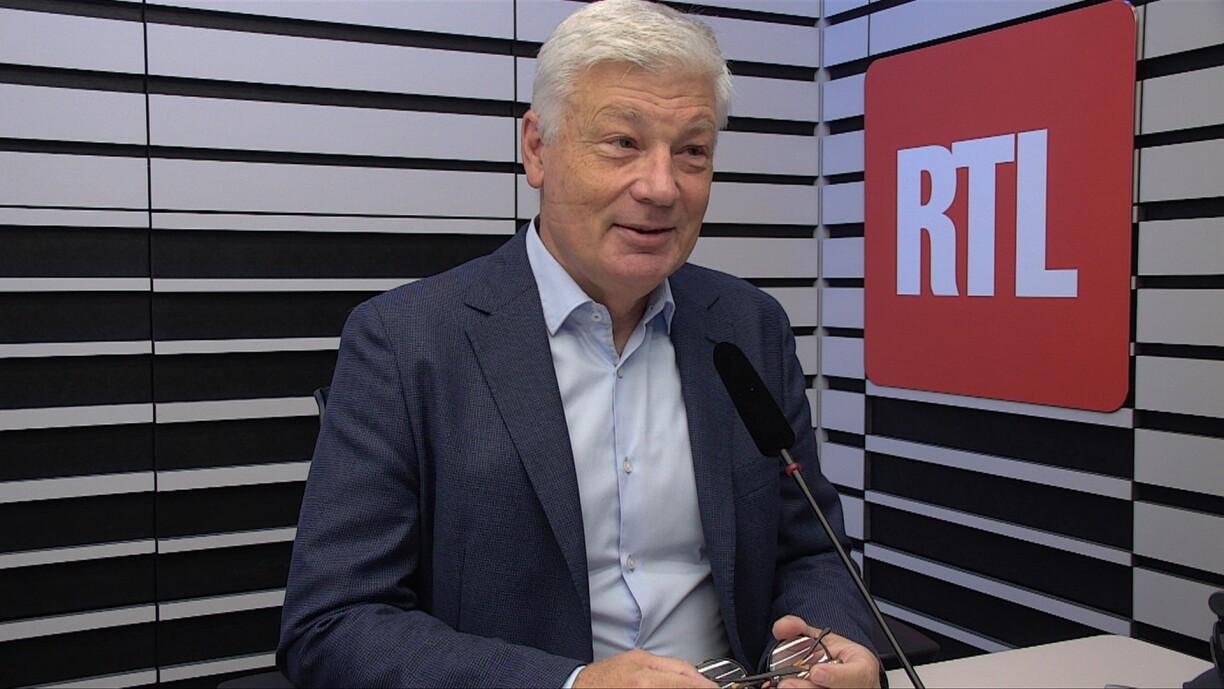
Wiseler was first asked about the apparent disagreement on the public debt threshold within the government coalition. While PM Bettel expressed a firm desire to stay below 30% of the gross domestic product and thereby maintain the Grand Duchy's Triple A rating, Minister Haagen took to social media ahead of the tripartite meeting to note that extraordinary times require extreme measures and that the EU debt threshold is actually 60% of GDP.
For Wiseler, it is clear that the government coalition is in disagreement, which he labelled as "extremely unserious" in the given situation. He believes that the 30% threshold should not be exceeded as it is important for the Grand Duchy's financial market to maintain credibility and not enter a downward spiral.
The CSV politician also shared his view that the opinion differences within the coalition are likely caused by intentions of already campaigning for the upcoming election year.
For the CSV, the biggest issue are the monetary policies that the administration has been operating since 2013. He explained that there are no reserves and that it is problematic to only work on the basis of increasing the public debt. Furthermore, he issued a reminder that the tax system has not been updated since 2017, which means that a slow yet steady increase has been going on in the background.
Wiseler expressed his support for the government's proposition of limiting energy prices, noting that his party already advocated for this measure a couple of months ago. He believes that it will help counteract inflation short-term and come as a direct support measure to households and businesses. However, he also noted that he first needs to know how much the initiative will cost before giving his final seal of approval.
Since the tripartite meeting is only held between government, employers, and unions, the CSV does not want to interfere in negotiations from the outside. Although the party would love to be sitting at the table, Wiseler is convinced that the tripartite system is the right tool to manage crises like the one unfolding at the moment.
The final point of discussion was the government's recent proposal on how to limit energy consumption. Wiseler noted that he is against mandates and therefore supports the voluntary basis of measures. Nevertheless, he also said that the proposed catalogue could have been more concrete, especially since he believes that people are willing to do their part.





